
Your Body Doesn't Treat Sleep Like a Bank Account: Experts Reveal the Impact of Weekend Catch-Up Sleep on Monday
- Soham Halder
- 3 months ago
- 4 minutes read
.WEBP)
For many people, weekends are seen as an opportunity to make up for lost sleep. After several nights of staying up late, working long hours, or scrolling through phones before bed, sleeping in on Saturday and Sunday often feels like a well-deserved reward.
However, sleep experts say the body does not work like a bank account. You cannot simply "deposit" extra hours of sleep on the weekend to fully compensate for a week of poor rest.
In fact, the habit of catching up on sleep during weekends may be one reason many people struggle with grogginess, low energy, and difficulty concentrating when Monday arrives.
The Myth of Catch-Up Sleep
Many people believe that sleeping for ten or twelve hours on the weekend can erase the effects of sleep deprivation accumulated during the workweek.
While extra sleep may help reduce some fatigue, experts say it does not completely reverse the impact of chronic sleep loss. The body relies on consistent sleep patterns rather than occasional long sleep sessions.
When people repeatedly sleep less during weekdays and then significantly alter their schedule on weekends, it can disrupt the body's natural rhythm. As a result, the benefits of extra weekend sleep may be smaller than many expect.
Understanding Your Internal Body Clock
The human body follows a natural sleep-wake cycle known as the circadian rhythm. This internal clock helps regulate when we feel alert and when we feel sleepy. It functions best when sleep and wake times remain relatively consistent.
Sleeping in for several extra hours on weekends can confuse this system. The body begins adjusting to a later schedule, only to be forced back into an earlier routine when Monday arrives. This sudden shift can feel similar to traveling across time zones.
What Is Social Jet Lag?
Experts often use the term "social jet lag" to describe the mismatch between weekday and weekend sleep schedules. Unlike traditional jet lag caused by travel, social jet lag occurs when people drastically change their sleeping patterns based on work and social commitments.
For example, someone who wakes up at 6 a.m. on weekdays but sleeps until 10 a.m. on weekends is creating a significant shift in their body's routine. By Monday morning, the body may still be operating according to the weekend schedule, making it harder to wake up and function normally.
Why Mondays Feel So Difficult
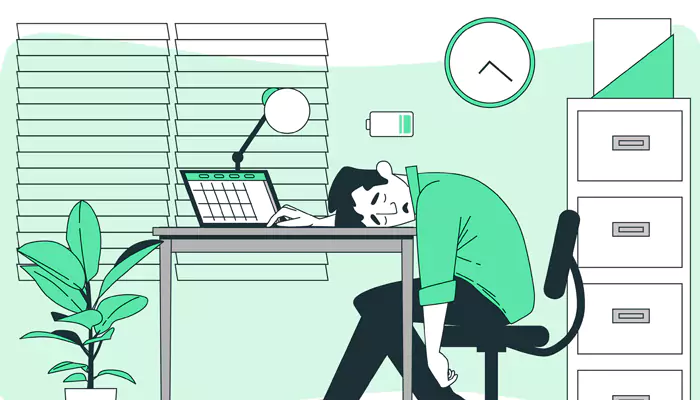
Many people blame Monday fatigue entirely on returning to work. However, sleep experts suggest that weekend habits may play an equally important role. Large differences in sleep schedules can lead to brain fog, reduced concentration, irritability, and feelings of tiredness at the start of the week.
The issue is not necessarily a lack of sleep on Monday itself. Instead, it is the disruption caused by inconsistent sleep timing. Maintaining regular sleep patterns often supports better energy levels and mental performance.
Consistency Matters More Than Quantity
Getting enough sleep is important, but consistency is equally valuable. Health experts generally recommend maintaining similar bedtimes and wake-up times throughout the week, including weekends. Even small adjustments can help support a stable body clock.
This does not mean people must follow a rigid schedule every day. However, avoiding dramatic differences between weekday and weekend sleep patterns may help reduce Monday fatigue. A steady routine often provides greater benefits than occasional marathon sleep sessions.
Building Better Sleep Habits
Improving sleep quality starts with simple habits. Limiting late-night screen time, reducing caffeine consumption in the evening, maintaining a comfortable sleep environment, and following a regular bedtime routine can all contribute to better rest.
These practices support healthy sleep throughout the week and reduce the need for dramatic weekend recovery attempts.
Final Thoughts
While sleeping in on weekends may feel refreshing, experts say it is not a complete solution for weekday sleep deprivation. The body values consistency more than occasional bursts of extra rest.
Rather than treating sleep like a bank account, it may be more helpful to view it as a daily health requirement. Maintaining regular sleep habits can support better energy, improved focus, and fewer struggles when Monday morning arrives.


.WEBP)
.webp)
.WEBP)