Mumbai under Triple Threat: COVID, Swine Flu, and Common Viral Infections Rise amid Delayed Monsoon; How to Protect Yourself
- Soham Halder
- 3 months ago
- 4 minutes read
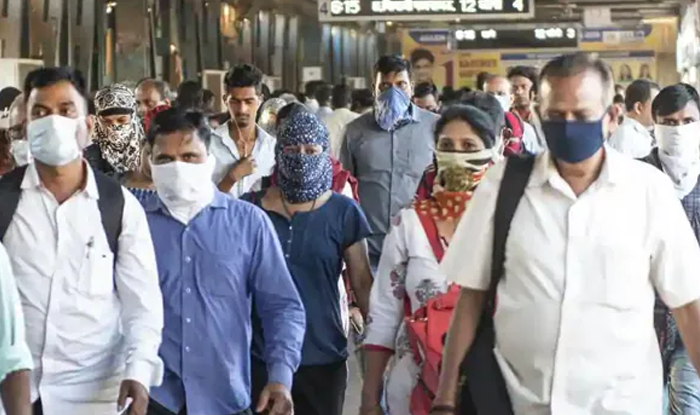
Mumbai's healthcare system is witnessing a familiar seasonal challenge as cases of COVID-19, swine flu, and other viral infections have been reported alongside changing weather conditions. Health experts believe that the delayed arrival of the monsoon, combined with fluctuating temperatures and humidity levels, may be contributing to the rise in respiratory illnesses across the city.
While there is no need for panic, doctors are encouraging residents to remain cautious, particularly as multiple infections with similar symptoms are circulating at the same time.
The situation serves as a reminder that seasonal transitions can often create favorable conditions for the spread of viruses.
Why Delayed Monsoons Can Influence Health
Weather changes can have a significant impact on public health. A delayed monsoon often results in extended periods of heat followed by sudden shifts in temperature and humidity. These fluctuations can affect how viruses spread and may also influence how people's immune systems respond to environmental changes.
Crowded public spaces, indoor gatherings, and increased exposure to air-conditioned environments can further contribute to the transmission of respiratory infections during seasonal transitions. As a result, health experts frequently observe a rise in viral illnesses when weather patterns become unpredictable.
Understanding the Three Major Concerns
The current concern involves three categories of illnesses that share several common symptoms. COVID-19 continues to circulate in many parts of the country, although most cases remain mild. Swine flu, caused by the H1N1 influenza virus, also tends to appear seasonally and can spread through respiratory droplets. Alongside these conditions, common viral infections continue to affect large numbers of people every year.
Symptoms such as fever, cough, sore throat, fatigue, body aches, and congestion can occur in all three illnesses. This overlap can make it difficult for individuals to determine the exact cause of their symptoms without medical evaluation.
Why It Is Harder to Identify the Infection
One of the biggest challenges during periods of increased viral activity is symptom similarity. Many respiratory illnesses begin in almost identical ways. A person experiencing fever and fatigue may assume it is a common viral infection, while the actual cause could be influenza or COVID-19.
Because symptoms often overlap, doctors advise people not to rely solely on self-diagnosis. Persistent symptoms, breathing difficulties, or worsening health conditions should be evaluated by healthcare professionals. Early assessment can help ensure appropriate treatment and reduce complications.
Who Should Be More Careful?
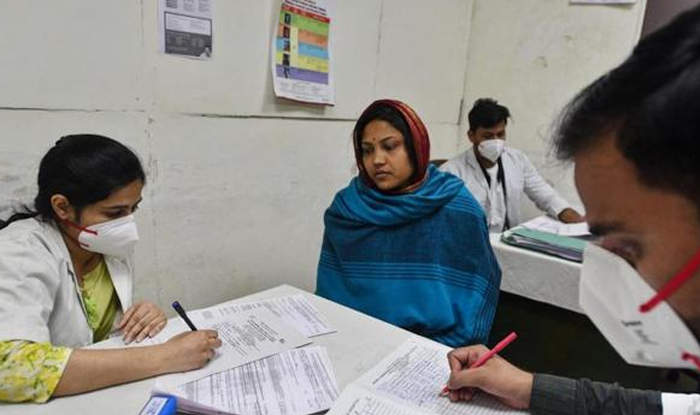
While most healthy individuals recover from seasonal infections without serious problems, certain groups face higher risks. Older adults, young children, pregnant women, and individuals with underlying medical conditions such as diabetes, heart disease, or respiratory disorders should take additional precautions.
People with weakened immune systems may also be more vulnerable to complications from viral infections. For these groups, early medical consultation becomes especially important when symptoms appear.
Practical Ways to Stay Protected
Health experts continue to recommend several simple preventive measures. Maintaining proper hand hygiene, covering coughs and sneezes, avoiding close contact with sick individuals, and staying home when unwell can reduce transmission risks. Adequate sleep, balanced nutrition, hydration, and regular physical activity can also support overall immune health.
Individuals experiencing symptoms should consider seeking medical advice rather than ignoring warning signs or relying solely on self-medication. Preventive habits remain one of the most effective ways to reduce infection risk.
Final Thoughts
The rise in COVID-19, swine flu, and common viral infections in Mumbai highlights how seasonal weather changes can influence public health. While the delayed monsoon may be contributing to the current situation, awareness and preventive action remain the best tools for staying safe.
The good news is that most infections can be managed effectively with timely care and responsible health practices. As multiple viruses circulate simultaneously, remaining informed, cautious, and attentive to symptoms can help individuals protect themselves and their families during the season.

.WEBP)
.WEBP)
.webp)
.WEBP)