Another Nipah Case in Kerala: Why Awareness Matters More Than Panic
- Soham Halder
- 3 months ago
- 4 minutes read
.WEBP)
The confirmation of a fresh Nipah virus case in Kerala has once again brought the disease into the national spotlight. Whenever Nipah makes headlines, it naturally creates concern because of its history and the seriousness of some past outbreaks.
However, health experts emphasize that awareness, not panic, is the most effective response. Kerala has faced Nipah outbreaks before and has developed strong systems for surveillance, testing, contact tracing, and containment.
While the latest case deserves attention, understanding the facts behind the disease can help people respond calmly and responsibly.
What Is Nipah Virus?
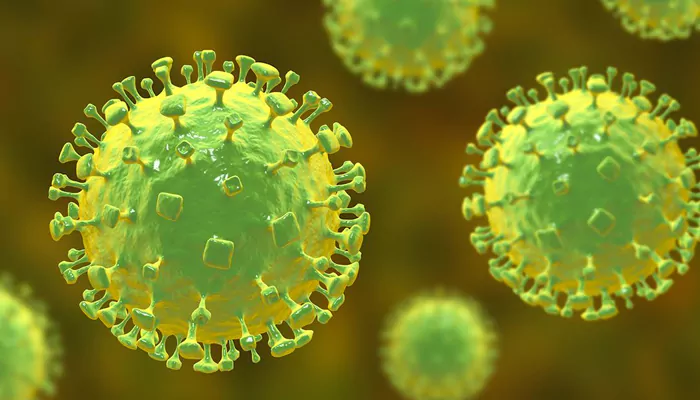
Nipah virus is a zoonotic disease, meaning it can spread from animals to humans. Fruit bats are considered the natural carriers of the virus, although transmission can also occur through contaminated food or close contact with infected individuals.
The disease was first identified in Malaysia in the late 1990s and has since been reported in a few countries, including India.
Because Nipah infections can sometimes cause severe illness, health authorities closely monitor every confirmed case.
Why Does Nipah Receive So Much Attention?
Unlike many common viral infections, Nipah has a relatively high fatality rate in severe cases. Symptoms can range from fever, headache, muscle pain, and fatigue to more serious neurological complications in some patients. While not every infected person develops severe illness, the potential risks make early detection extremely important.
This is why even a single confirmed case often triggers extensive public health measures. The goal is to prevent further transmission before the situation can grow larger.
Kerala's Experience Makes a Difference
One reason health experts remain cautiously optimistic is Kerala's experience in handling Nipah outbreaks.
Over the years, the state has developed rapid response systems that include testing, isolation, contact tracing, and public communication. These measures help health authorities identify potential risks quickly and take preventive action.
The response to Nipah today is very different from how emerging diseases were managed decades ago. Experience and preparedness play a major role in limiting the spread of infections.
Why Awareness Is More Useful Than Fear
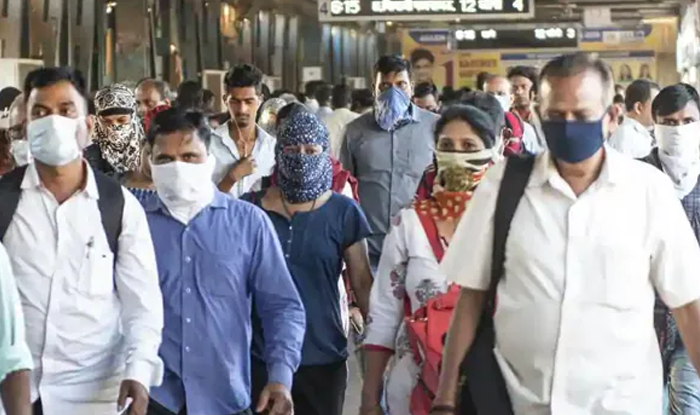
When disease-related news spreads, misinformation often spreads just as quickly. Panic can lead to confusion, rumours, and unnecessary anxiety. Awareness, on the other hand, encourages people to follow official guidance, recognize symptoms, and seek medical care when needed.
Public health experts consistently stress the importance of relying on verified information rather than social media speculation. A well-informed community is often one of the strongest defenses against infectious diseases.
What Precautions Should People Take?
The average person does not need to make drastic changes to daily life. Basic precautions remain important. Maintaining good hygiene, avoiding consumption of potentially contaminated fruits, following public health advisories, and seeking medical attention if symptoms appear are sensible steps.
Healthcare workers and individuals who have had close contact with infected patients may need to follow additional precautions as directed by authorities. For the wider public, staying informed and following official recommendations is generally sufficient.
The Importance of Early Detection
One of the biggest lessons from previous outbreaks is the value of early detection. The sooner a case is identified, the faster health officials can trace contacts, monitor potential exposures, and prevent wider transmission.
This is why surveillance systems, laboratory testing, and public cooperation remain essential parts of disease control efforts. Early action often makes the difference between an isolated case and a larger public health concern.
Final Thoughts
The latest Nipah case in Kerala is a reminder that emerging infectious diseases continue to require attention and vigilance. However, it is not a reason for panic. Health authorities are already taking steps to monitor the situation, and Kerala's experience in handling similar outbreaks provides an important advantage.
For the public, the best response is simple: stay informed, follow official health guidance, and avoid spreading unverified information. In situations like these, awareness is far more powerful than fear.

.WEBP)
.webp)
.WEBP)