
Why You Crave Comfort Food More in Cold Weather; Science Explained
- Soham Halder
- 8 months ago
- 4 minutes read
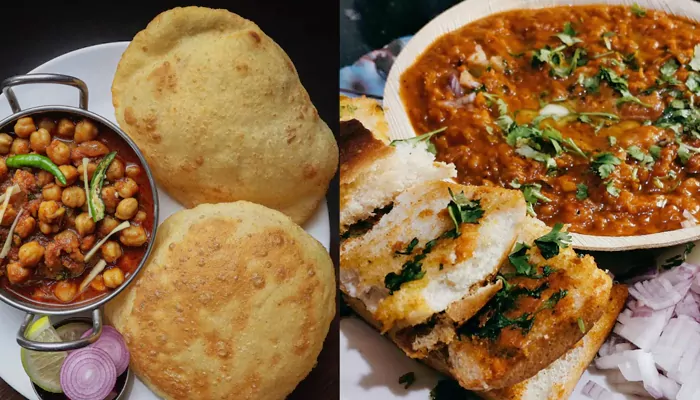
When temperatures drop, cravings rise, science has answers.
As soon as winter sets in, something curious happens. Salads lose their charm, smoothies feel unappealing, and suddenly all you want is hot parathas, khichdi with ghee, pakoras, or a bowl of creamy kheer. For many Indians, cold weather automatically equals comfort food season.
But is this just habit and nostalgia or is your body actually asking for it?
Turns out, winter cravings are deeply rooted in biology, psychology, and survival instincts. Let’s unpack why cold weather makes comfort food so irresistible.
Your Body Burns More Energy in Cold Weather
When temperatures drop, your body works harder to maintain its core temperature. This process, called thermogenesis, requires extra energy.
To compensate, your brain nudges you toward:
- Calorie-dense foods
- Warm meals
- Fat and carbohydrate-rich dishes
This is why foods like rice, rotis, ghee-laden dals, and slow-cooked curries suddenly feel more satisfying. They provide quick and sustained energy, helping the body stay warm from within.
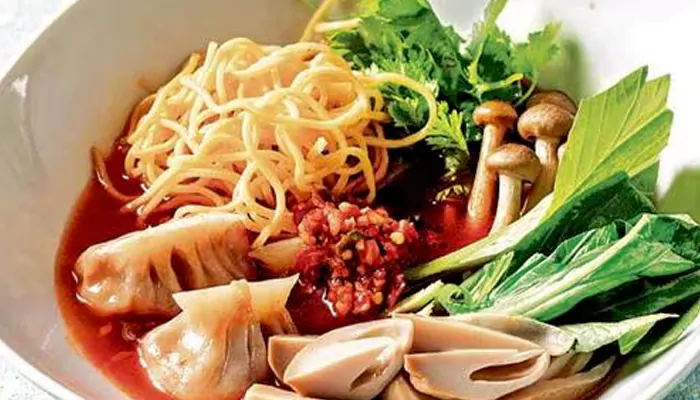
Cold Weather Affects Your Hunger Hormones
Winter doesn’t just change the weather, it alters your internal chemistry.
Research shows that colder temperatures can influence hormones like:
- Ghrelin, which increases hunger
- Leptin, which signals fullness
In winter, ghrelin levels may rise, making you feel hungry more often. At the same time, reduced sunlight can disrupt hormonal balance, causing cravings, especially for foods high in fat and sugar.
This explains why you may feel hungry even after a full meal during colder months.
Less Sunlight, Lower Mood, Higher Cravings
Shorter days and reduced sunlight exposure can lower serotonin, the brain chemical responsible for mood stability and happiness.
Comfort foods, especially those rich in carbohydrates help increase serotonin temporarily. That’s why:
- Warm desserts feel comforting
- Carb-heavy meals improve mood
Familiar childhood foods feel emotionally soothing
In Indian households, this often translates into craving foods tied to warmth, care, and home, like dal-chawal, halwa, or hot chai with biscuits.
Warm Food Literally Feels More Comforting
Comfort food isn’t just about taste, it’s about temperature.
Warm foods:
- Improve blood circulation
- Relax muscles
- Stimulate digestion
In Ayurveda, winter is considered a time when digestion is stronger, allowing the body to handle heavier foods. This aligns with modern science, which shows that warm meals are easier on the digestive system in cold weather.
Your body isn’t just craving calories, it’s craving thermal comfort.
Evolutionary Instincts Still Play a Role
Long before modern kitchens and food delivery apps, winter meant scarcity. Humans evolved to:
- Eat more when food was available
- Store energy in the form of fat
- Prefer high-calorie foods in colder months
Even today, your brain reacts to cold as a signal to “prepare and preserve.” Comfort food cravings are part of this ancient survival wiring, even if winters are milder and food is abundant.
Emotional Comfort Matters Too
Winter often brings:
- Reduced outdoor activity
- More time indoors
- Slower social interactions
Food becomes a source of emotional warmth. Familiar flavours remind us of family, festivals, and childhood winters. In India especially, food is deeply tied to care and celebration.
So when you reach for comfort food, it’s not weakness, it’s emotional regulation.
Is Comfort Food Bad for You in Winter?
Not necessarily. The problem isn’t comfort food, it’s unchecked comfort eating.
Comfort food can be healthy when:
- Portions are controlled
- Meals are balanced with protein and fibre
- Foods are homemade rather than ultra-processed
A bowl of khichdi with ghee, vegetable soup, or curd rice can nourish both body and mind. Issues arise when cravings are satisfied only with fried, sugary, or packaged foods.
How to Respond to Winter Cravings Wisely
Instead of fighting cravings, work with them:
- Choose warm, cooked meals
- Add healthy fats like ghee or nuts
- Include seasonal vegetables
- Stay physically active, even indoors
This way, you honour your body’s needs without overindulgence.
Craving comfort food in winter isn’t a lack of discipline, it’s a biological and emotional response to cold weather. Your body is seeking warmth, energy, and reassurance.
Understanding this helps you make smarter food choices ones that comfort without harming.
Because sometimes, listening to your body is the healthiest thing you can do.