
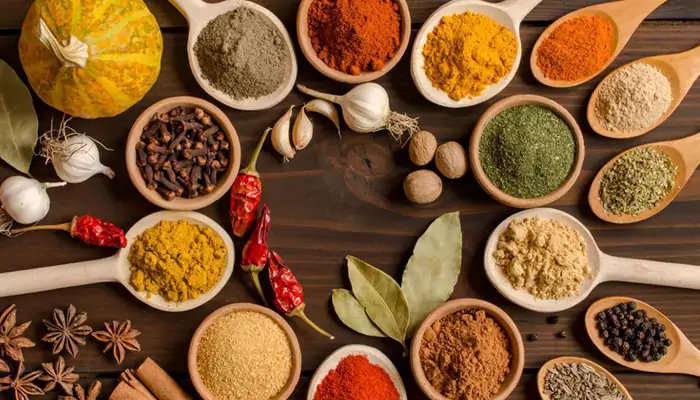
Nature’s Thermostat: Spices That Help Your Body Adapt to Weather Changes!
If you live in India, you know one thing for sure the weather doesn’t always give you time to adjust. One week it’s chilly mornings, the next it’s humid afternoons. Seasonal transitions often bring coughs, colds, fatigue, digestive trouble, and skin flare-ups.
But here’s something fascinating: Indian kitchens have always held the solution.
Long before immunity boosters became trendy, our grandmothers quietly relied on spices to help the body adapt to weather changes. These tiny ingredients are packed with bioactive compounds that support digestion, circulation, and immunity.
Let’s explore the powerful spices that naturally prepare your body for seasonal shifts.
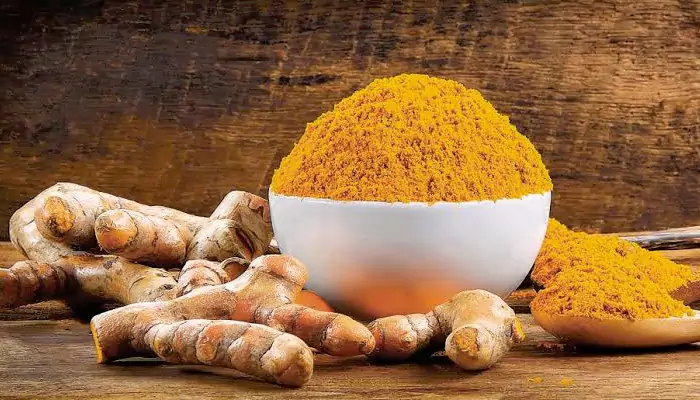
Turmeric (Haldi): The Golden Protector
No Indian household is complete without haldi. Known for its active compound curcumin, turmeric has strong anti-inflammatory and antioxidant properties.
When seasons change, inflammation in the body can increase, making you prone to infections. Turmeric supports immune response and helps fight seasonal flu.
How to use it:
- Add a pinch to warm milk at night.
- Include it in dals and sabzis.
- Mix with honey during throat irritation.
Turmeric doesn’t just add colour, it strengthens your internal defense system.
Black Pepper (Kali Mirch): The Absorption Booster
Black pepper may look simple, but it enhances the absorption of nutrients, especially curcumin from turmeric.
During weather changes, digestion often slows down. Kali mirch stimulates digestive enzymes and improves metabolism.
Sprinkle freshly crushed pepper on soups, salads, and lemon water. It also helps clear mild congestion during colder months.
Ginger (Adrak): The Seasonal Warrior
Whether it’s winter chills or monsoon sniffles, adrak is your go-to spice. Ginger improves circulation, warms the body in cold weather, and reduces nausea during humidity-related digestive issues. It also contains gingerol, known for anti-inflammatory benefits.
A cup of ginger tea during seasonal transition can:
- Ease throat discomfort
- Reduce bloating
- Boost immunity
It’s comfort and medicine combined.

Cumin (Jeera): The Digestive Balancer
As temperatures shift, your digestive system needs support. Jeera helps regulate digestion, reduce acidity, and improve nutrient absorption.
Jeera water in the morning is a simple yet powerful ritual. It helps detoxify gently and prepares the stomach for the day ahead.
In hot weather, cumin also prevents bloating caused by dehydration.
Cinnamon (Dalchini): The Metabolism Regulator
Dalchini supports blood sugar balance and improves circulation. During winter-to-summer transitions, metabolism may fluctuate.
Cinnamon helps stabilise energy levels and reduce cravings for sugary foods, which often increase when energy dips.
Add it to:
- Herbal teas
- Oats
- Warm water with honey
A little goes a long way.

Cloves (Laung): The Immunity Defender
Laung is rich in antimicrobial properties. It helps fight infections that commonly occur during seasonal shifts.
Chewing a clove during a sore throat or adding it to chai provides warmth and relief. It also supports respiratory health, especially useful when pollution levels fluctuate with weather changes.
Fennel Seeds (Saunf): The Cooling Agent
While some spices warm the body, others cool it. Saunf is excellent during the transition toward summer.
It aids digestion, reduces acidity, and cools internal heat. Soaked fennel water can be refreshing during rising temperatures.
Balance is key and Indian spices offer both warming and cooling effects depending on the season.
Why Spices Work
Modern research confirms what Ayurveda has practised for centuries spices influence metabolism, inflammation, and immunity.
They:
- Stimulate digestive fire (Agni)
- Improve circulation
- Support detoxification
- Reduce microbial growth
Instead of extreme dietary changes during weather shifts, small daily spice additions create gradual adaptation.
How to Use Them Smartly
- Avoid overuse. Spices are potent.
- Start with small quantities.
- Pair warming spices in winter, cooling ones in summer.
- Stay hydrated.
- Maintain balanced meals.
Consistency matters more than quantity.
India’s climate is diverse and dynamic. Instead of depending only on supplements, look into your masala box.
Turmeric, ginger, cumin, pepper, and cinnamon are not just flavour enhancers, they’re climate companions.
When used mindfully, these spices help your body adjust smoothly to weather changes, keeping energy steady and immunity strong.
Sometimes, the smallest ingredients make the biggest difference. And in India, adaptation has always started in the kitchen.