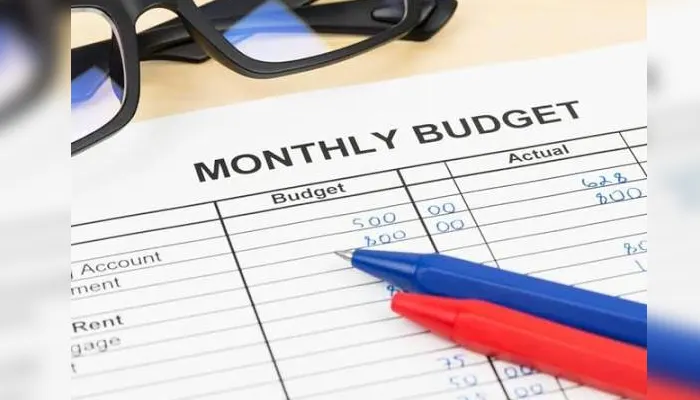
Waiting For A Bigger Salary Before Saving? That Habit May Be Costlier Than Inflation
- Devyani
- 2 weeks ago
- 2 minutes read

Many people think saving begins after the “good salary” arrives. The problem is, lifestyle costs usually sprint ahead before that moment ever shows up.
A strange thing happens when salaries rise. Expenses somehow rise faster.
Someone earning ₹30,000 says they’ll start saving seriously at ₹50,000. Then ₹50,000 arrives and suddenly there’s a better phone, pricier rent, app subscriptions nobody remembers buying, and weekend spending that felt “earned.” By ₹80,000, the saving plan has again shifted into the future. Humans are very creative at postponing discipline.
This conversation feels more relevant now because India’s retail inflation rose to 3.48% in April, according to fresh government data reported by Reuters and ET this week. Food costs and energy-linked pressures are beginning to creep upward again.
Inflation is still below the RBI’s 4% target, yes. But that does not mean everyday life suddenly feels cheap.
Why waiting becomes expensive
Most people imagine inflation as one dramatic shock. Real life is messier. It arrives through tiny recurring increases: delivery fees, school transport, fuel costs, restaurant bills, platform charges. A slow leak, not a flood.
And meanwhile, delayed saving quietly loses its strongest weapon: time.
A person investing small amounts early often ends up ahead of someone investing bigger amounts much later. Compound growth sounds boring when finance influencers say it beside neon charts and dramatic music, but unfortunately it works.
The habit that matters more than income
Honestly, the middle-class trap is not always low income. Sometimes it is “future saving syndrome” - the belief that financial discipline belongs to a future version of yourself with a cleaner budget and better self-control.
That person rarely arrives.
Instead of waiting for a major salary jump, financial planners increasingly recommend smaller automatic systems: SIPs, recurring deposits, emergency funds built slowly, even ₹500–₹1,000 starter habits. Tiny beginnings matter more than motivational speeches. Painfully true.
What people should watch now
With inflation pressures tied to oil and food costs still active, households should pay attention to recurring micro-expenses rather than only major purchases.
Subscriptions, food delivery, impulse upgrades, convenience spending. Those little budget termites.
What happens next?
Economists expect inflation risks to remain tied to fuel prices, the rupee and monsoon performance over coming months.
That makes consistent saving habits more valuable, not less.
Waiting for the “perfect salary” to start saving may quietly cost more than inflation itself, because time is usually the one financial advantage people underestimate most.





.WEBP)
.webp)
.webp)