
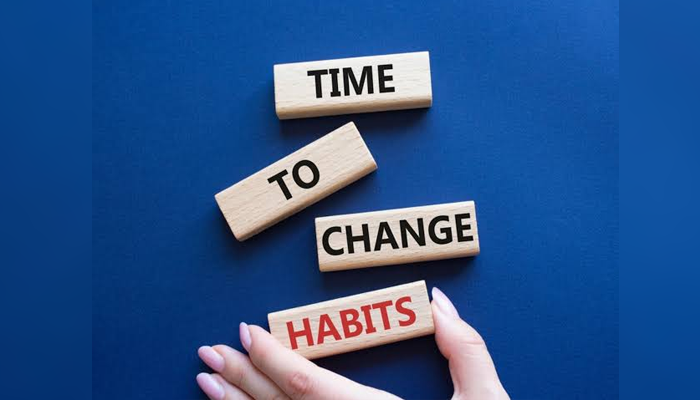
Big dreams are overrated. Small habits are unstoppable.
Every January, we make the same promises. Lose weight. Save more money. Wake up early. Learn a new skill. And by February, reality hits hard. Gym visits drop, savings plans collapse, and motivation quietly slips away.
But 2026 is marking a major shift in how Indians approach self-improvement. Instead of chasing dramatic transformations, people are embracing micro-resolutions: small, achievable actions that quietly add up to big change. And surprisingly, they’re working.
Why Big Resolutions Fail So Often
Traditional New Year resolutions fail not because of laziness, but because they demand too much, too soon. Big goals often rely on motivation, which is unreliable, especially when work stress, family responsibilities, traffic, and daily chaos kick in.
Psychologists have long pointed out that drastic behaviour changes trigger mental resistance. When a goal feels overwhelming, the brain defaults to comfort and familiarity. That’s why “run 5 km daily” fails faster than “walk for five minutes after dinner.”
In India, where work-life balance is already fragile, oversized goals feel more like punishment than progress.
What Are Micro-Resolutions?
Micro-resolutions are tiny, low-effort commitments that fit easily into everyday life. They don’t demand willpower or massive lifestyle changes.
Examples include:
Drinking one extra glass of water daily
Saving Rs. 50 a day instead of planning a massive investment
Reading two pages before bed
Stretching for three minutes after waking up
Replacing one sugary drink with water
These actions may look insignificant but repetition is where the magic lies.

Why Micro-Resolutions Are Winning in 2026
They Remove the Fear of Failure
Micro-resolutions feel almost impossible to fail. When success is easy, consistency follows naturally. This builds confidence instead of guilt—a crucial factor for long-term habit-building.
They Fit Modern Indian Lifestyles
With hybrid work, long commutes, and constant screen time, Indians don’t have the bandwidth for drastic routines. Micro-resolutions slip effortlessly into existing habits, making them sustainable.
They Trigger the “Success Loop”
Every completed micro-task releases dopamine—the brain’s reward chemical. That tiny sense of achievement encourages repetition, turning small actions into automatic habits.
They Compound Over Time
One percent improvement every day doesn’t feel exciting, but over months, it transforms health, finances, productivity, and mindset. Micro-resolutions rely on progress, not pressure.
Micro-Resolutions vs Big Goals: A Mindset Shift
The difference isn’t ambition, it’s approach.
Instead of:
“I will lose 10 kg this year”
Try: “I will move my body for five minutes daily”
Instead of:
“I will become financially disciplined”
Try: “I will track one expense every day”
Instead of:
“I will master a new skill”
Try: “I will learn one concept in five minutes”
In 2026, success is being redefined, not as dramatic transformation, but as quiet consistency.
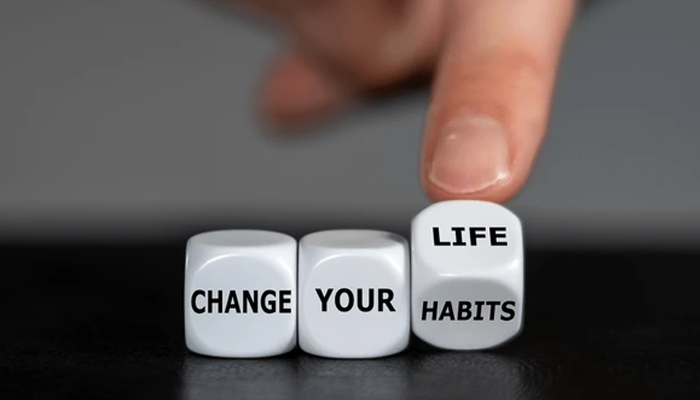
How to Build Micro-Resolutions That Actually Stick
Anchor them to existing habits
Pair new actions with routines you already follow, like stretching after brushing your teeth.
Make them ridiculously small
If it feels too easy, you’re doing it right.
Track progress visually
A simple tick mark on a calendar builds momentum.
Avoid perfection thinking
Missing a day doesn’t mean failure, it means restarting tomorrow.
What This Trend Says About Us
The rise of micro-resolutions reflects a deeper cultural shift. Indians in 2026 are choosing mental peace over hustle culture, sustainability over shortcuts, and self-compassion over self-criticism.
We are no longer chasing overnight success stories. We are building lives that actually work—one small step at a time.
Because sometimes, the smallest promises are the ones we finally keep.





.WEBP)
.webp)
.webp)