
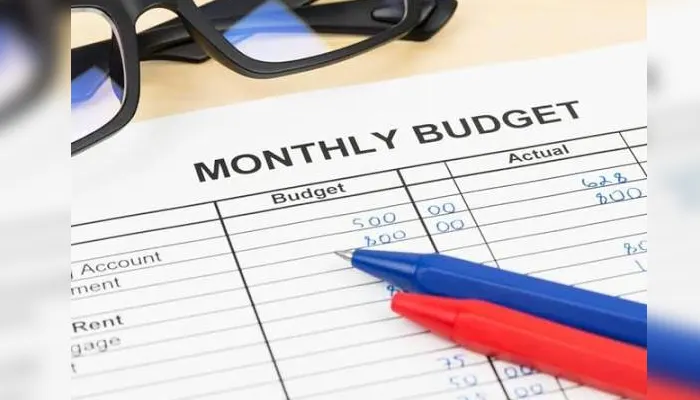
A year of small pleasures and big bets, where Indian money flowed in 2025.
2025 closed with a clear message: Indians spent like they were living in two worlds at once, one governed by daily rituals (coffee runs, food delivery, streaming) and the other by big-picture bets (crypto, mutual funds, travel). Household wallets grew more elastic: small recurring spends multiplied, while investment appetites widened. Here’s a data-backed look at the categories that dominated spending across India last year and what that tells us about the country’s changing priorities.
Daily comforts: Coffee, Quick Meals and Food Delivery
The single most visible trend on city streets was the steady caffeine and delivery culture. Consumption of coffee, from local filter kaapi to premium cold brew, continued to climb as urban Indians treated coffee as a daily ritual and a remote-work fuel. Market trackers estimate steady growth in India’s coffee market in 2025.
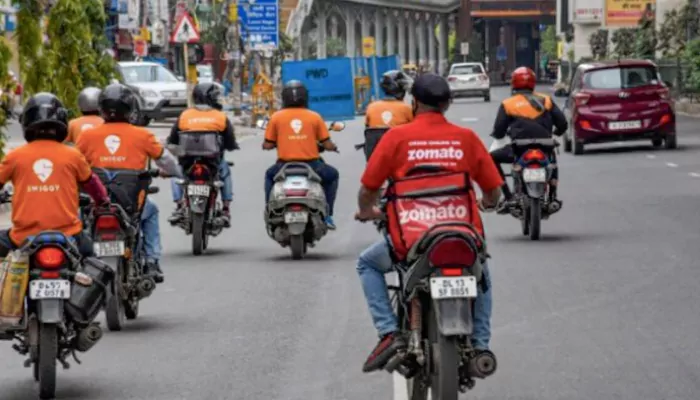
At the same time, online food delivery became a routine expense. Aggregators grew faster in 2025 as consumers ordered more frequently and tier-2, tier-3 cities came online. Industry estimates show the online food-delivery market’s rapid expansion; platforms reported strong revenue growth and a widening user base. Zomato and Swiggy remained leaders, reflecting how much Indians were willing to pay for convenience and variety.
Small daily spends added up. Brands that made ordering easy and consistent loyalty programs won repeat customers.
Digital payments and micro-transactions: UPI keeps scaling
Underneath all consumer activity was a payments machine: UPI continued to be the backbone of Indian transactions in 2025. NPCI reported record volumes and value growth throughout the year, underlining how digital payments enabled the spike in everyday spending, from coffee to movie tickets. The scale and ease of UPI helped convert casual spenders into regular digital buyers.
Lower frictions in payments directly translated into more frequent small purchases and faster adoption of new digital services.
Travel and experiences bounced back: domestic and outbound bookings rose
After pandemic-era slowdowns, travel rebounded strongly in 2025. Domestic travel, weekend getaways and outbound trips rose as disposable incomes and pent-up demand converged. Travel industry trackers reported significant year-on-year growth in online travel bookings and an expanding travel market, a sign that Indians were spending more on experiences than in previous years.
Consumers prioritised experiences, pushing spend from material goods into travel and leisure services.

Investments: mutual funds, SIPs and the cautious crypto rush
On the investment side, retail participation surged. Mutual fund SIP inflows and new folios hit record numbers in 2025, signalling that households were channeling regular savings into markets via SIPs and direct equity exposure. Moneyflow trackers noted robust net inflows into mutual funds during the year.
Parallel to this, crypto adoption maintained momentum. Global trackers ranked India among the top countries for crypto activity in 2025, Indians used crypto both for trading and as an alternate store of value, despite regulatory caution and volatility. Chainalysis and other crypto reports showed that India was among the leaders in retail crypto adoption in 2025.
Households treated investments as both necessity (SIPs for goals) and speculation (crypto), reflecting diversified risk appetites.
Retail & e-commerce: durable goods and convenience shopping
Retail continued its steady climb in 2025. Big-ticket purchases: appliances, smartphones, two-wheelers were complemented by faster online grocery and FMCG buying. Consulting and industry reports projected robust retail expansion, driven by digital adoption and rising incomes. Analysts expect this momentum to continue into the next decade.
Consumers balanced splurges (appliances, travel) with subscription and convenience spending (groceries, OTT).
Final Takeaway
Look at 2025 and you see two clear stories: Indians spent more on everyday comforts that improve quality of life (coffee, delivery, travel) while also directing disposable income into financial assets (mutual funds, SIPs) and riskier alternatives (crypto). The infrastructure such as UPI, cheaper internet, strong aggregator networks, made this dual behaviour possible.
For brands and policymakers: win hearts with frictionless customer journeys for everyday purchases, and support financial literacy so households can make smarter, long-term investment choices.




.WEBP)
.webp)
.webp)


