Vijay Diwas Special: From Dr. Sitara Begum's 400-Bed Field Hospital to Teen Taramon Bibi's Bravery - The Women Who Made History in 1971
- Devyani
- 10 months ago
- 3 minutes read

Vijay Diwas isn’t all about anchors and admirals - sometimes, it’s about a doctor’s quick hands and a teenager’s resolve, both braver than the books ever tell.
Most years, talk of Vijay Diwas swirls around daring maneuvers at sea, new tactics, and technical breakthroughs - from dark ocean nights to the shining deck of a missile boat. But peer beneath all that - behind crisp uniforms and commemorative parades, and you’ll find people who did things differently, people who made a difference with little more than gumption and heart. That’s where Dr. Sitara Begum and Taramon Bibi live in memory.
Sitara’s Unlikely Hospital
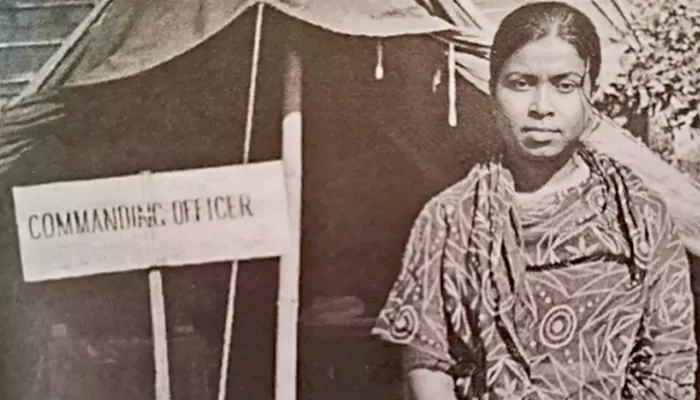
Captain Dr. Sitara Begum (1971)
It started, as most miracles do, with a crisis and a patch of borrowed land in Tripura. You wouldn’t call it much at first - some tents, odds and ends of canvas, a battered medical kit. Dr. Sitara Begum, newly minted and stubborn, decided this would be a real hospital. She fussed about cleanliness, demanded fresh bandages, made her own rules for rationing everything from saline to basic painkillers. There’s stubbornness in the stories that trickle down from former patients: “If she said you’d walk again, you did.”
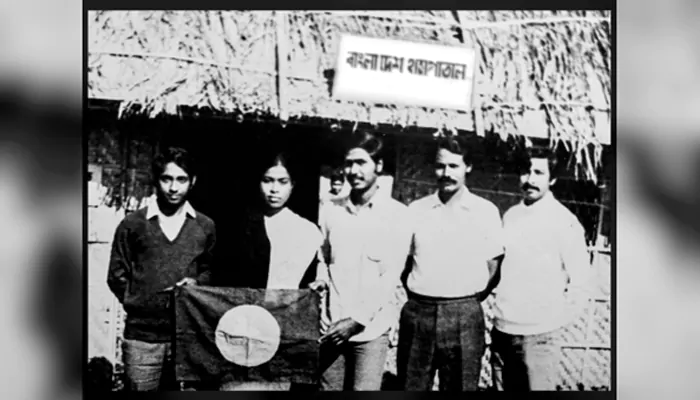
Captain Dr. Sitara Begum with other physicians at the Bangladesh Field Hospital
Beds multiplied. Supplies, sometimes scavenged, sometimes spirited by volunteers, appeared. Soon, the legendary “Bangladesh Field Hospital” spread to 400 beds - enough to house the hope and confusion of an entire generation in flux. Doctors rotated through in quick shifts, but Sitara remained the hospital’s fixed star - insistent, sometimes brusque, relentlessly compassionate.

Captain Dr. Sitara Begum
The work, raw and relentless, was unglamorous but pivotal - each healed limb or recovered fever-wracked patient wasn’t just a number; it was the smallest kind of victory worth marking.
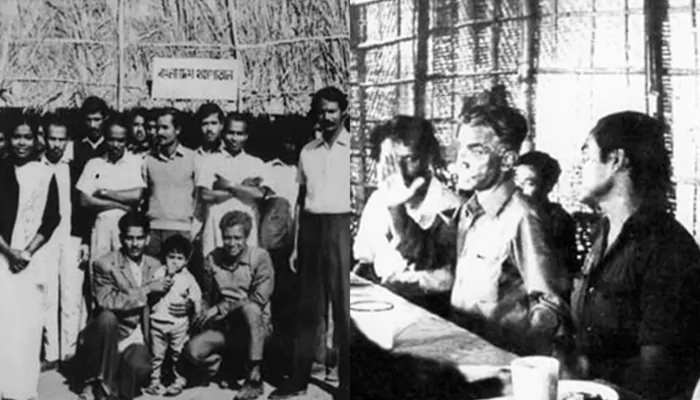
First hospital of Bangladesh - 'Bangladesh Field Hospital’
Taramon Bibi’s No-Nonsense Bravery
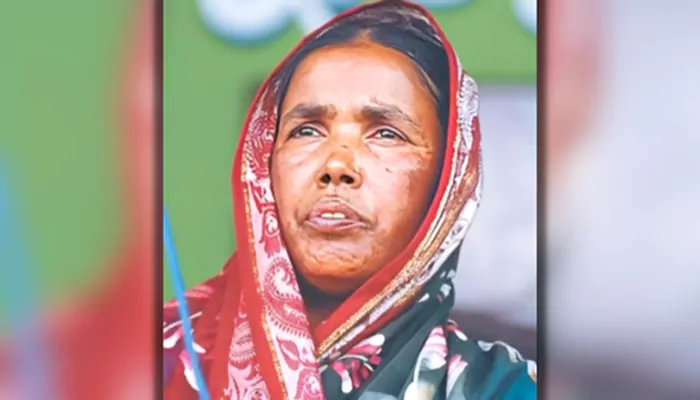
Bir Protik Taramon Bibi
Zoom north, past the hubbub, to rural corners where Taramon Bibi learned to move quietly and watch closely. No textbook, just intuition - she started delivering messages, slipping past checkpoints, cooking for the resistance. At some point, a gun landed in her hands - her own version of a stethoscope, perhaps. Shooting straight became second nature. She learned to listen more than talk, sense tension, spot trouble - and trust her own courage. She was little more than a teenager, scrawny and undeterred.
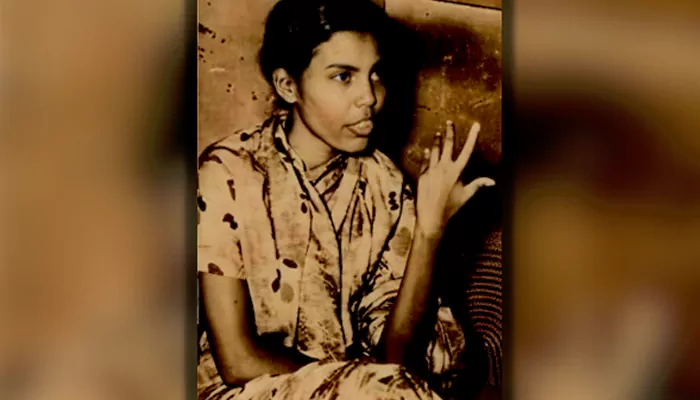
Bir Protik Taramon Bibi
Recognition found her late: the “Bir Protik” title, handed to only two women for direct action, seemed almost an afterthought for someone who never craved applause in the first place. Her kind of defiance wasn’t cinematic; it was plain, matter-of-fact, carried in every sidelong glance and every time she put herself between a friend and harm’s way.
The Women Between the Headlines
Why does Vijay Diwas find room for names like Sitara Begum and Taramon Bibi among more celebrated naval innovations and military firsts? Because technical breakthroughs mean nothing without the infrastructure, the recovery, the raw resilience that lets big plans succeed. Their recognition reminds us that breakthrough doesn’t always mean invention. Sometimes, it’s just refusing to fold - field hospital by field hospital, watch post by watch post.
In the long curve of memory, India’s victory tales are stitched not only by admirals and missile launches but by resourceful women who healed, carried, steadied, and led when earnestly asked. Wishing a Happy Vijay Diwas to the real Deshbhakts.