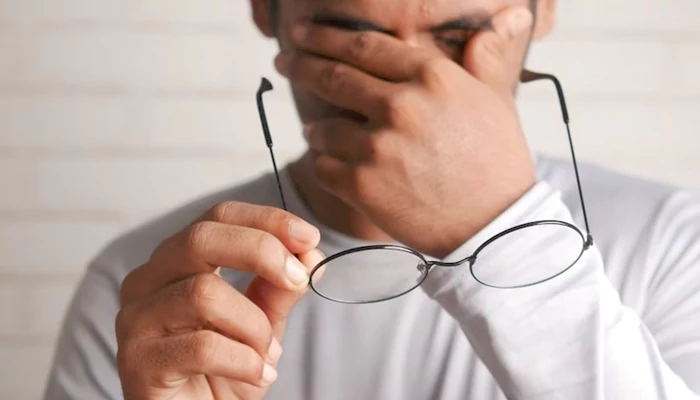
Sleeping More in January? Here’s What Your Body Is Really Telling You
- Soham Halder
- 2 months ago
- 4 minutes read

Sleeping More in January? Here’s What Your Body Is Really Telling You!
January has a strange reputation. Alarms feel harsher, mornings darker, and beds far more tempting. Many Indians find themselves sleeping longer than usual, sometimes 9 to 10 hours and still waking up tired. This often triggers guilt or worry. Am I becoming lazy? Is something wrong with my health?
The truth is, oversleeping in January can mean two very different things: your body might be in recovery mode or it could be waving a red flag. Knowing the difference is key to protecting your health without unnecessary stress.
Why Oversleeping Is Common in January
Several seasonal factors come together in January, making extra sleep almost inevitable.
First, shorter daylight hours reduce exposure to natural sunlight, which directly affects melatonin production, the hormone that regulates sleep. Less sunlight often means feeling sleepy for longer.
Second, the body naturally conserves energy in colder months. This biological response helped humans survive winters long before heaters and blankets existed.
Third, December’s late nights, heavy meals, travel, and social fatigue leave many people physically and mentally drained, making January a natural recovery phase.
In many cases, sleeping more is simply your body catching up.
When Oversleeping Is a Healthy Recovery Mode
Oversleeping can actually be beneficial if:
- You were sleep-deprived in previous months
- You’ve recently been stressed, ill, or emotionally exhausted
- You still feel refreshed after waking up
- Your energy improves during the day
In such cases, extra sleep helps repair tissues, regulate hormones, and restore mental balance. Think of it as deep maintenance, not dysfunction.
Doctors often say that the body knows when it needs rest, especially after periods of neglect.

When Oversleeping Becomes a Red Flag
However, oversleeping isn’t always harmless. It may indicate an underlying issue if:
- You sleep long hours but still feel tired
- You struggle to wake up despite adequate rest
- Your productivity and motivation drop sharply
- You experience low mood, irritability, or brain fog
In January, this can sometimes point to seasonal affective disorder (SAD), vitamin D deficiency, thyroid imbalance, or early signs of depression.
If oversleeping continues beyond a few weeks or interferes with daily life, it’s worth paying attention.
The Vitamin D Connection Indians Often Miss
Even in sunny India, vitamin D deficiency is surprisingly common, especially in winter when people spend less time outdoors. Low vitamin D levels can cause fatigue, excessive sleepiness, body aches, and low mood.
Doctors increasingly recommend checking vitamin D levels if January lethargy feels extreme or persistent. A simple blood test can provide clarity and prevent unnecessary anxiety.
Why Oversleeping Feels Worse in Winter
Sleeping more doesn’t always mean better sleep. In winter, people often:
- Wake up less due to darkness
- Move less during the day
- Spend more time indoors and on screens
This disrupts the sleep-wake cycle, leading to longer but poorer-quality sleep. You may sleep more hours but feel less rested, a key sign that routine matters as much as duration.
How to Support Healthy Sleep in January
Instead of fighting sleep, support it wisely.
Get morning sunlight, even for 10–15 minutes. It helps reset your internal clock.
- Stick to consistent sleep and wake times, including weekends.
- Move your body daily—light walks or stretching are enough.
- Avoid late-night screens and heavy dinners.
Check your nutrition, especially iron and vitamin D levels if fatigue persists.
These small changes can quickly improve sleep quality without reducing rest.
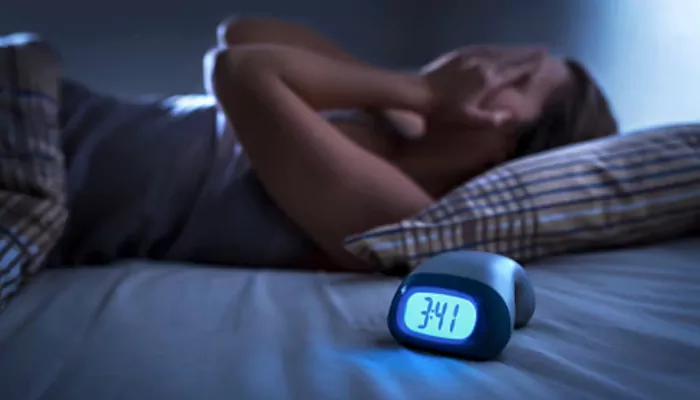
Listen, Don’t Label
One of the biggest mistakes people make is labelling themselves as lazy for needing more sleep. January is not a test of discipline, it’s a transition month.
The real question isn’t “Why am I sleeping so much?” but “How do I feel after I wake up?”
Your answer reveals whether your body is healing or asking for help.
Oversleeping in January isn’t automatically a problem. For many, it’s a sign of recovery after a demanding year. For others, it’s an early signal that something needs attention.
Instead of forcing productivity or panicking, observe patterns, support your body, and seek medical advice if needed. Because rest isn’t the enemy, ignorance is.
This January, give yourself permission to rest, but also the awareness to act when rest no longer restores you.