
Winter Is Leaving, Summer Isn’t Here Yet: How to Adjust Diet in February
- Soham Halder
- 8 months ago
- 4 minutes read
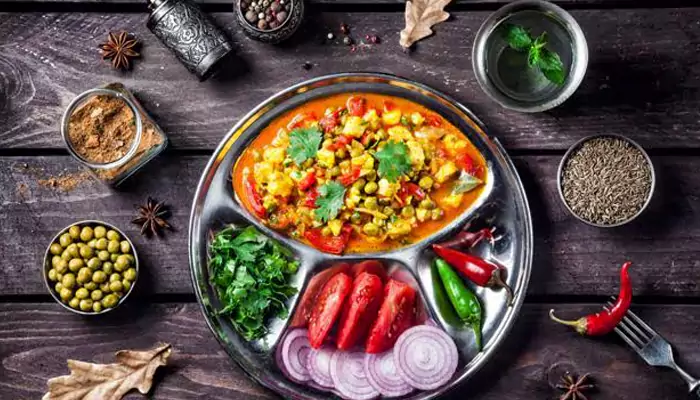
February is that awkward month on the Indian calendar where winter is packing its bags, but summer hasn’t officially arrived. The mornings are still chilly, afternoons feel warmer, and evenings confuse your senses all over again. And while we often talk about adjusting clothes or routines during this transition, diet is where most Indians go wrong.
Many of us continue heavy winter foods out of habit, while others jump too early into summer detoxes. The result? Digestive discomfort, fatigue, unexplained bloating, or sudden loss of appetite. The truth is, February needs its own food logic, a gentle bridge between warming winter nutrition and cooling summer meals.
Why February Diet Needs a Reset
Your digestive fire, or agni (as Ayurveda calls it), starts shifting in February. During peak winter, digestion is strong, allowing heavier foods like ghee, fried snacks, and dense sweets. As temperatures rise slightly, this strong digestion begins to soften.
If you continue eating heavy winter foods, the body struggles to process them. If you suddenly switch to raw salads or cold drinks, digestion weakens further. February is not about extremes, it’s about gradual transition.
What to Reduce (Not Eliminate) in February
This is not the month to suddenly ban your favourite foods, but moderation is key.

- Heavy Fried Foods
Pakoras, kachoris, and deep-fried snacks were comforting in January, but daily consumption in February can lead to sluggishness and acidity.
- Excess Ghee and Butter
Healthy fats are important, but you don’t need winter-level quantities anymore. Reduce portion sizes instead of cutting them out entirely.
- Overly Sugary Winter Desserts
Gajar halwa, til laddoos, and chikki are nutritious but calorie-dense. Enjoy them occasionally rather than daily.
What Your February Plate Should Include
Think light, warm, and nourishing, without being too heavy or too cooling.
- Seasonal Vegetables
February offers a beautiful mix:
- Lauki (bottle gourd)
- Tori (ridge gourd)
- Palak and methi
- Carrots and beets (in moderation)
Cook them lightly with minimal oil to keep digestion easy.
- Balanced Proteins
Proteins help maintain energy as the body adjusts:
- Dal, chana, rajma (well-soaked and properly cooked)
- Paneer in moderation
- Eggs for non-vegetarians
Avoid extremely spicy gravies that burden digestion.
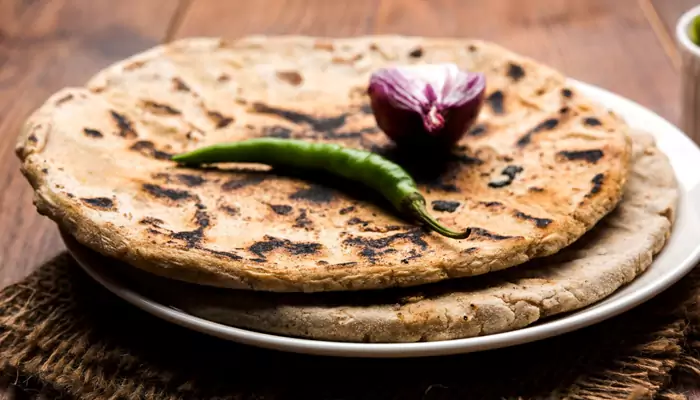
- Smart Carbohydrates
Stick to:
- Rotis over heavy parathas
- Hand-pounded rice or millets like jowar and bajra (in smaller portions)
This supports energy without heaviness.
Hydration: The Most Ignored February Rule
In winter, thirst naturally reduces, and many Indians forget to drink enough water. February is when dehydration quietly begins leading to fatigue, dry skin, and constipation.
Drink lukewarm water, not ice-cold
Add jeera or saunf to water for digestion
Coconut water is fine once in a while, but don’t overdo it yet
Should You Start Summer Foods Now? Not Really
This is where many people make mistakes.
- Cold smoothies
- Ice-cold juices
- Excess curd at night
- Raw salads for dinner
Your body isn’t ready for full summer cooling foods. Instead:
- Have curd only during the day
- Light salads at lunch, not dinner
- Buttermilk with roasted jeera is safer than cold lassi
The February Eating Rhythm That Works
A simple daily structure can help immensely:
Morning: Warm water + light breakfast (poha, upma, eggs, oats)
- Lunch: Your heaviest meal with dal, sabzi, roti/rice
- Evening: Light snack—fruits, nuts, roasted chana
- Dinner: Early, light, and warm (soup, khichdi, sabzi-roti)
This rhythm respects both winter digestion and upcoming summer needs.

Listen to Your Body, Not Just the Calendar
February often brings mixed signals, some days you feel hungry, others you don’t. That’s normal. Instead of forcing rigid diet plans, observe how your body responds.
- Feeling bloated? Lighten meals.
- Feeling low on energy? Add protein.
- Feeling overheated? Reduce spices.
Seasonal eating is less about rules and more about awareness.
Think of February as a nutritional transition zone. Your goal isn’t to eat “perfectly,” but to ease your body from winter comfort to summer balance without shocking your system.
Small tweaks, lighter cooking, mindful hydration, and seasonal foods, can make a big difference in how energetic, focused, and comfortable you feel during this confusing yet important month.


.WEBP)
.WEBP)
.webp)
.WEBP)