
The 21-Day Myth: How Long It Actually Takes to Build Habits & Plan Your New Year Better
- Soham Halder
- 2 months ago
- 4 minutes read
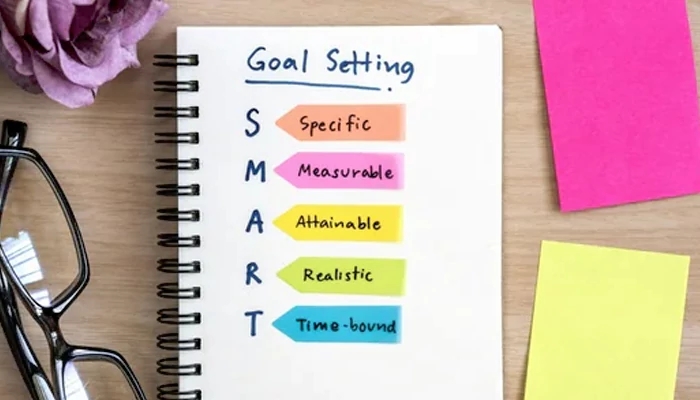
Habits Aren’t Built in Weeks, They’re Built with Patience!
Every January, gyms are packed, planners are brand new, and motivation is at an all-time high. We tell ourselves, “Just 21 days and this will become a habit.”
But by mid-February, reality hits. The gym feels optional. Journaling feels forced. That “new you” quietly fades away.
So what went wrong?
The problem isn’t your willpower. It’s the 21-day habit myth, a belief that has oversimplified how human behaviour actually works. As Indians increasingly focus on productivity, wellness, and long-term growth, it’s time we rethink how habits are built.
Where Did the 21-Day Rule Even Come From?
The idea dates back to the 1960s, when plastic surgeon Dr Maxwell Maltz observed that his patients took about 21 days to adjust to physical changes. Over time, this observation turned into a universal “rule”, without enough scientific backing.
Modern research paints a very different picture.
Studies suggest that habit formation can take anywhere between 18 to 254 days, with an average of around 66 days, depending on the habit, environment, and individual.
In simple terms:
- Drinking more water is not at all Building a daily workout routine
- Reading 2 pages are not equivalent to Running 5 km every morning
Not all habits are created equal.

Why Indians Struggle with Habit Consistency
In the Indian context, habit-building comes with unique challenges:
- Unpredictable schedules due to work, family responsibilities, and festivals
- Social obligations that disrupt routines
- All-or-nothing thinking (“If I miss one day, what’s the point?”)
- Cultural pressure to show quick results
We often aim for perfection instead of progress and that’s where most New Year plans collapse.
So, How Long Does It Really Take to Build a Habit?
There’s no magic number, but here’s what actually matters:
- Complexity of the Habit
Simple habits like stretching or drinking water stick faster. Complex habits like fitness routines, meditation, or waking up early take longer.
- Frequency Over Intensity
Doing something small daily beats doing something big occasionally. Consistency wires habits into your brain.
- Emotional Reward
If the habit feels rewarding, physically or mentally, your brain wants to repeat it.
- Environment
Your surroundings matter more than motivation. If healthy choices are easy to access, habits form faster.
Effective New Year Planning: What to Do Instead of Chasing 21 Days
- Replace Goals with Systems
Instead of saying “I’ll lose 10 kilos”, say “I’ll walk 20 minutes daily.”
Focus on actions, not outcomes.
- Use the 2-Minute Rule
Start ridiculously small. Read one page. Do one push-up. Open the notebook. Momentum builds naturally.
- Plan for Imperfection
Missing a day isn’t failure. Quitting is. Plan for disruptions, weddings, deadlines, festivals and resume without guilt.
- Track Identity, Not Streaks
Don’t say “I’m trying to work out.” Say “I’m someone who doesn’t skip movement.” Identity-based habits last longer.
- Think 90 Days, Not 21
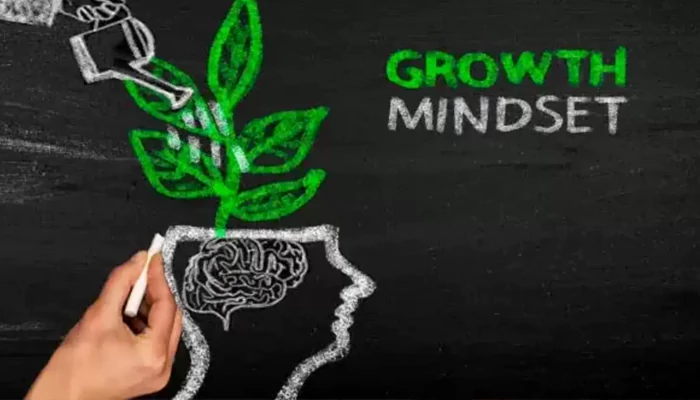
Shift your New Year mindset from quick transformation to slow evolution. Sustainable habits need breathing space.
Why This Mindset Shift Matters in 2026 and Beyond
Today’s Indians are increasingly aware that success isn’t overnight whether in health, career, or mental well-being. The post-pandemic world has taught us that burnout is real, shortcuts don’t last, and balance matters.
Breaking the 21-day myth isn’t about lowering standards. It’s about setting realistic timelines that respect how humans actually change.
This New Year, don’t aim to become a completely new person. Aim to become slightly better — consistently.
Habits aren’t built in 21 days. They’re built through repetition, forgiveness, and patience.
So if your New Year habit feels hard after a month, you’re not failing, you’re doing it right.
Because real change doesn’t shout.
It shows up quietly, every day.