Shiva Beyond Religion: Why Lord Shiva appeals to yogis, scientists, and Gen Z alike
- Soham Halder
- 18 hours ago
- 3 minutes read

The Timeless Rebel: How Lord Shiva Connects with Modern Minds!
In a world increasingly shaped by logic, individualism, and curiosity, it may seem surprising that an ancient Hindu deity like Lord Shiva continues to resonate so deeply, especially with yogis, scientists, and Gen Z. Yet, Shiva’s appeal has never been confined to religion alone. He represents something far more universal: consciousness, curiosity, rebellion, and balance.
Unlike deities defined by strict rules and rituals, Shiva stands apart. He doesn’t demand belief, he invites exploration.
Shiva: The Original Yogi
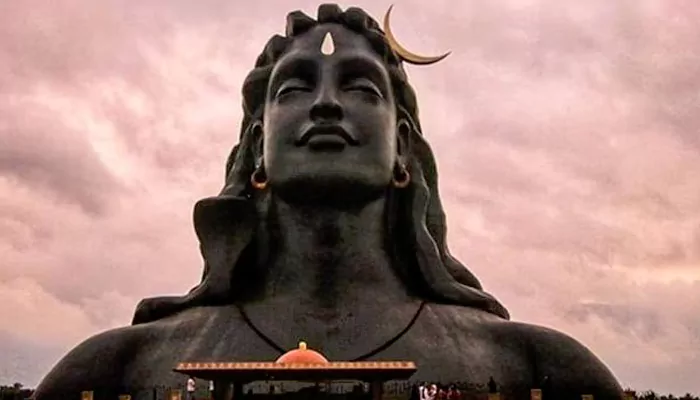
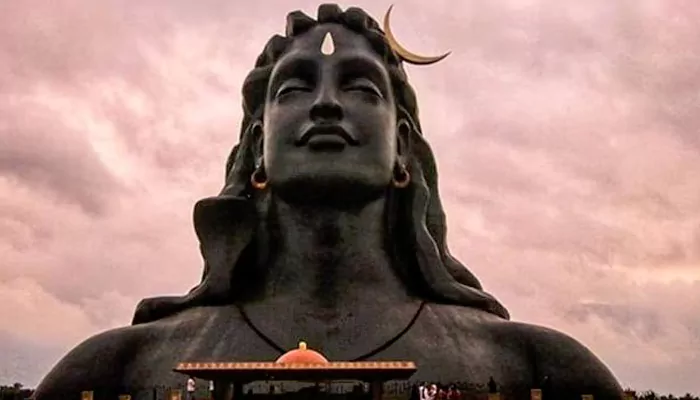
To yogis across the world, Shiva is not merely a god; he is the Adiyogi, the first yogi who mastered the mind and body. His image, sitting in deep meditation atop Mount Kailash, symbolises inner stillness amid chaos.
Yoga practitioners see Shiva as a state of being, not a figure to be feared or blindly worshipped. His teachings focus on self-realisation, discipline, and awareness values that align perfectly with modern wellness movements. In an era of burnout and anxiety, Shiva’s yogic path offers a reset button for the mind.
A Scientific Curiosity, Not a Blind Faith
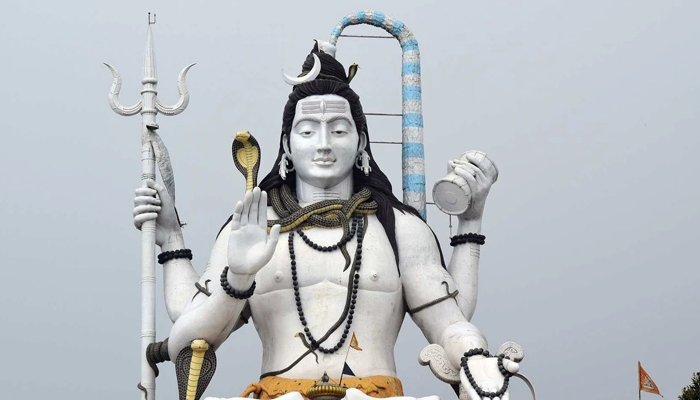
What makes Shiva especially intriguing to scientists and rational thinkers is the symbolism embedded in his form. The crescent moon represents time, the third eye symbolises perception beyond the physical, and the cosmic dance of Nataraja mirrors the rhythm of the universe: creation, preservation, and destruction.
Physicists have often drawn parallels between Shiva’s Tandava and the dance of subatomic particles. Even the concept of destruction associated with Shiva isn’t negative, it reflects transformation, a principle central to science.
Shiva doesn’t contradict science; he complements it by encouraging inquiry over assumption.
Why Gen Z Feels Seen by Shiva
Gen Z is often described as spiritually curious but institutionally skeptical. They seek meaning without rigid structures and that’s where Shiva fits effortlessly.
Shiva breaks every stereotype:
- He lives outside society’s norms
- He embraces contradictions ascetic yet householder
- He values authenticity over appearances
To a generation that celebrates individuality and questions authority, Shiva feels relatable. He’s the ultimate outsider who is comfortable in his own skin dreadlocks, ash-smeared body, and all.
Shiva as a Symbol of Balance
In a hyper-productive world obsessed with success, Shiva reminds us of balance. He meditates but also dances. He destroys but also creates. He is detached yet deeply compassionate.
This duality resonates strongly today, where people are seeking harmony between ambition and inner peace. Shiva’s message is subtle but powerful: you don’t need to escape the world to master yourself.
Beyond Religion, Into Consciousness
Perhaps the greatest reason Shiva transcends religion is that he represents pure consciousness, not dogma. You don’t need to belong to a faith to understand stillness, transformation, or self-awareness.
From mindfulness apps to meditation retreats, concepts rooted in Shiva’s philosophy are finding new expression in modern life. His relevance lies not in temples alone, but in the human search for meaning.
A Deity for the Thinking Mind
Shiva doesn’t promise instant rewards. He doesn’t impose fear. Instead, he encourages self-effort, introspection, and courage, the courage to sit with discomfort and grow through it.
That’s why he appeals equally to yogis perfecting their practice, scientists decoding the universe, and young minds navigating identity in a complex world.
Shiva’s timeless appeal lies in his freedom from labels, expectations, and limitations. He is less about belief and more about experience. In a world craving depth over dogma, Shiva remains profoundly relevant.
He isn’t just worshipped, he is felt, questioned, and lived.