On This Day: East India Company's Calcutta Capture (1756) - The Food, Fashion & Culture Revolution That Followed
- Devyani
- 9 months ago
- 3 minutes read
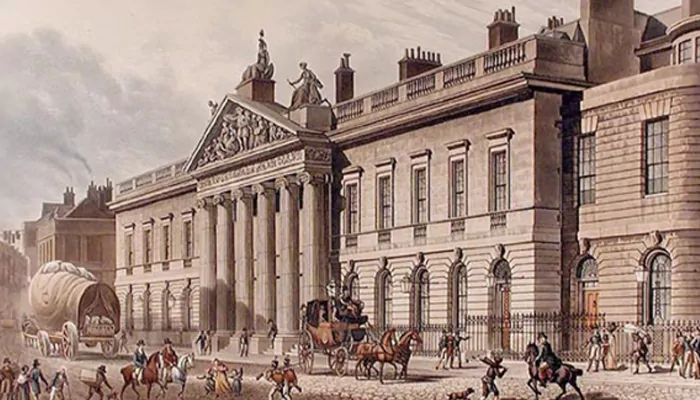
Forget the battlefield - the real conquest of Calcutta in 1757 started at the dinner table and ended in the tailor’s shop.
Everyone talks about Plassey, but the real pivot happened months earlier. January 2, 1757. Robert Clive, fresh from Madras with Admiral Watson, sailed up the Hooghly to snatch back Calcutta from Siraj-ud-Daulah’s light garrison. It wasn’t just a military win; it was the moment the "Nabob" lifestyle officially infected British veins, changing how Bengal ate, dressed, and behaved forever.
A Feast of Fusion
Before Clive’s retake, British food in the Fort was dreary - salted meats and sad puddings. Post-1757, the Company men began aping Mughal opulence. They hired local khansamas, sparking a culinary riot. Suddenly, the "Country Captain" chicken surfaced - a spicy, onion-heavy jumble that felt like a secret handshake between London and Lucknow. Mulmull-soft rotis replaced heavy breads at officers' tables. I reckon the first "Calcutta Fusion" wasn't a café trend; it was a survival tactic for homesick soldiers craving heat.
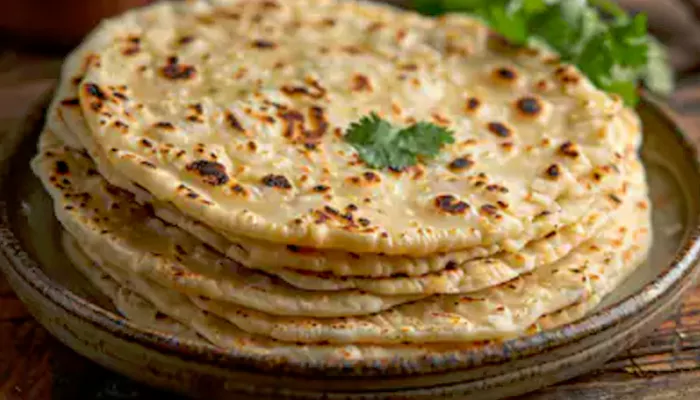
Questions linger: did they know they were inventing a world? Probably not. They were just hungry. But the shift from bland to bold was irreversible.
Tailors and Togas
Fashion took a wild turn too. You’d see EIC officers ditching heavy wool for breezy muslin - the legendary Dhaka variety that could pass through a ring. They adopted the jama and tight trousers for private lounging, a look that would’ve horrified a London tailor but made perfect sense in the humid swamp of the Hooghly. The "Nabob" was born: a British man with a hookah habit and a penchant for Persian silks.
This reminds me of modern expats in Kolkata suddenly obsessed with handloom cotton. Some things never change.
The Culture Creep
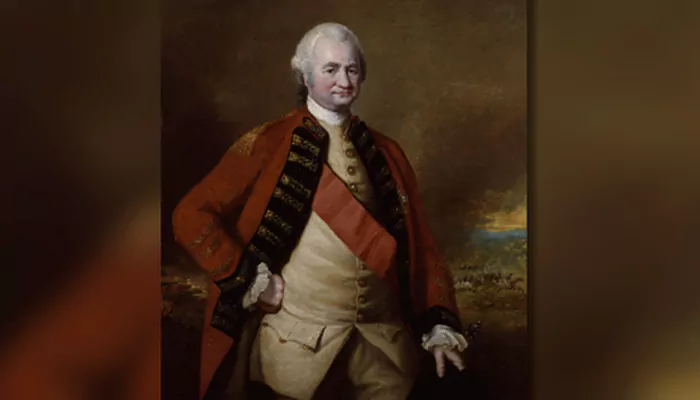
Robert Clive
Beyond the threads and treats, the very air of Calcutta shifted. Clive forced the Nawab to restore trading privileges and, crucially, allow the British to mint their own coins. This wasn't just money; it was ego. The city began its transformation from a muddy village to a "City of Palaces," blending neoclassical columns with Bengali courtyards.
Perhaps the most subtle change was the language. Persian scribes became the gatekeepers of power, and Company officials began obsessing over "country customs" to stay in the Nawab's good books. It was a messy, glorious, and often brutal overlap of worlds.
I believe the capture of 1757 was more than a siege; it was an invitation to a cultural collision. It set the stage for two centuries of shared history, where the flavor of a curry mattered as much as the caliber of a cannon.