January 1, 1995: How World Trade Organisation Brought Your Favorite Global Brands to India - From Zara to Netflix
- Devyani
- 2 months ago
- 2 minutes read
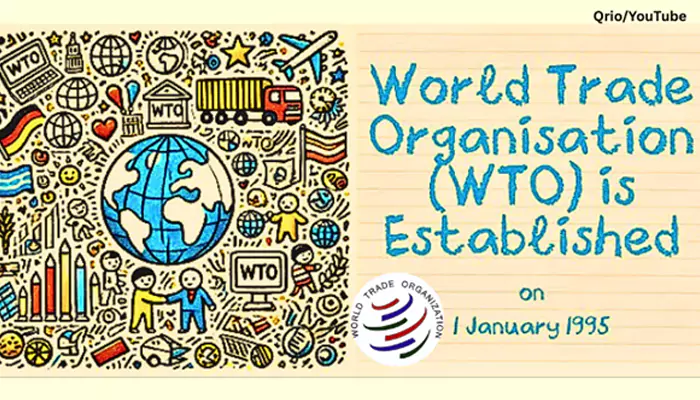
Thirty-one years ago on this date, the World Trade Organisation unlocked India's gates, letting Zara's racks, and Netflix marathons in our lives.
Imagine it's New Year's dawn, 1995. The WTO kicks in, GATT's (General Agreement on Tariffs and Trade) shiny upgrade. India signs on, tariffs tumble like Diwali fireworks - 100% duties slashed to 25% in months. Foreign brands? They smelled opportunity. No more "swadeshi-only" walls. Markets cracked open. It felt like the monsoon had arrived after a drought.
Zara's Swift Swoop
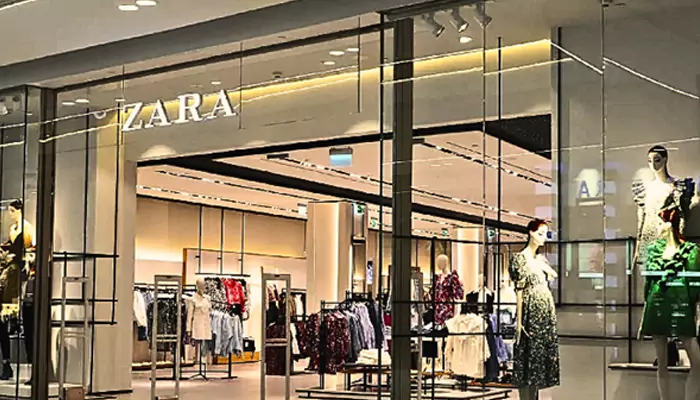
Fast fashion fever. Zara strutted in 2010 via Tata's Trent - JV magic in Saket mall, Delhi. Pre-WTO? Impossible, FDI caps strangled retail. Post? Quick stores, trendy threads at touchable prices. Mango lagged behind; Zara owned mirrors. Desi girls ditched dhotis for denim - blame those low tariffs. Closets transformed.
Netflix's Binge Blitz

With a 2016 launch, popular OTT series like Sacred Games became local masala. The WTO greased digital pipes - TRIPS (Trade-Related Aspects of Intellectual Property Rights) protected content, and eased FDI (Foreign Direct Investment) in services. Affordable plans, mobile-only hacks for our Jio boom. No more VHS waits; and thus the binge culture was born. Why queue at halls when your couch rules?
McDonald's Golden Arch Assault
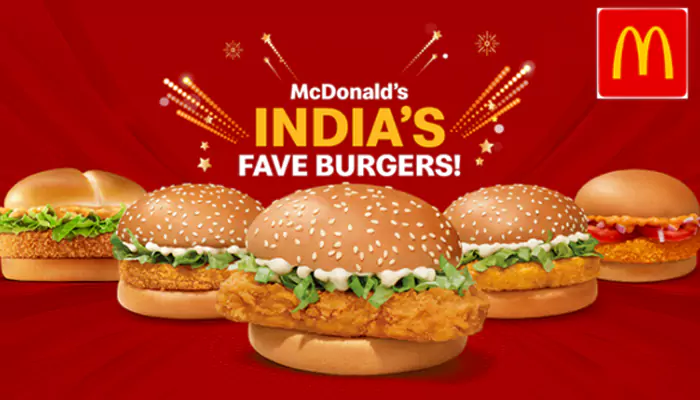
McDonald's made its debut in 1996 with a McAloo Tikki twist and Paneer patties for the masses. WTO's market access unlocked joints in Mumbai basements. Exports soared too, but imports? Fries flowed free! Kids begged for the savoury, hence moms relented. Happy Meals hooked a generation.
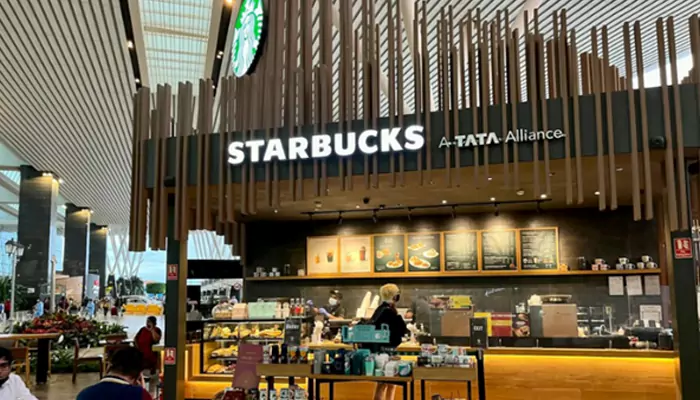
Starbucks followed, 2012. Tata again - croissants met chai. Pre-WTO barriers? Sky-high. Now? Corner cafes hum with lattes, not just lassi.
Apple? iPhones trickled post-2007, but WTO's supply chain ease exploded choices. Remember haggling for imported Walkmans? Well those days are long gone. Exports jumped from $26 billion to $52 billion by 2003; textiles, IT boomed.
I believe WTO didn't just bring brands - it birthed cravings. Urban India swapped Ambassador cars for Audis, Bollywood for Blockbusters. Hurdles lingered with FDI tweaks and agri fights, but doors still stayed ajar.
Globalization handed India a massive present: access to the world's brands and markets, but it came tied up in bureaucratic knots (that endless "red tape") that the WTO finally untangled, setting everything free.