Indira Gandhi Sworn in as India’s PM: A Look Back at the Transformative Years of Her First Tenure
- Soham Halder
- 8 hours ago
- 4 minutes read
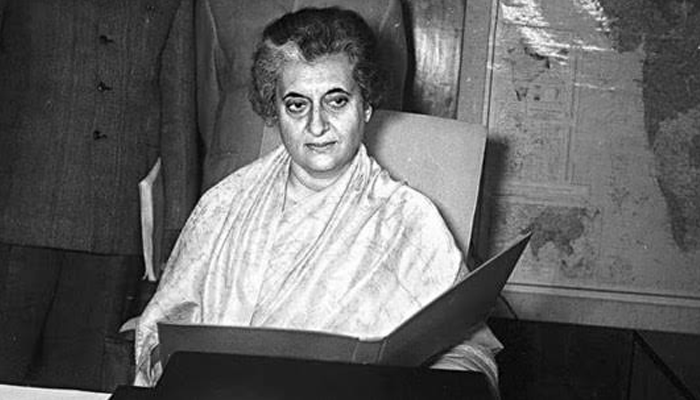
The beginning of a leadership legacy that changed India forever!
On January 24, 1966, India witnessed a moment that would permanently alter its political landscape. Indira Gandhi was sworn in as the Prime Minister of India, becoming not only the country’s first woman PM but also one of the world’s most powerful female leaders at the time. Initially perceived as a political heir who would toe the party line, Indira Gandhi soon proved that she was anything but a placeholder. Her first tenure from 1966 to 1971 laid the foundation for bold reforms, controversial decisions, and a leadership style that continues to spark debate even decades later.
A Challenging Start Amid Economic Turmoil
Indira Gandhi assumed office at a time when India was grappling with severe economic stress. Food shortages, inflation, foreign exchange crises, and the after-effects of wars had weakened the economy. Her government faced immediate pressure to stabilise the nation while maintaining political unity.
One of her early moves was devaluing the Indian rupee in 1966, a decision taken under international pressure to secure foreign aid. Though heavily criticised domestically, it highlighted her willingness to take tough, unpopular calls when circumstances demanded.
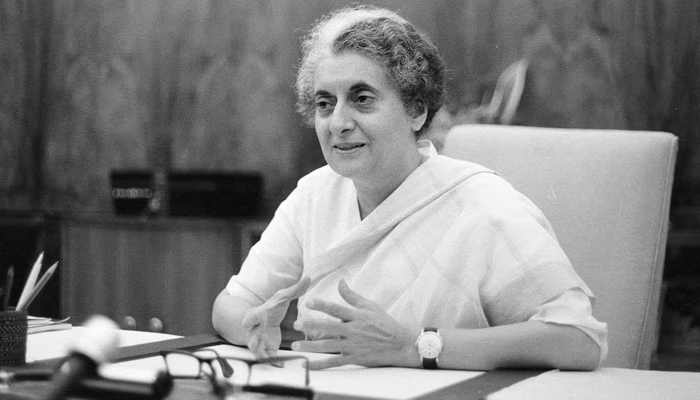
The Green Revolution: Feeding a Growing Nation
Perhaps one of the most significant achievements of her first tenure was her strong push for the Green Revolution. India’s dependence on food imports was a major concern, and Indira Gandhi championed agricultural reforms that promoted high-yield variety seeds, fertilisers, and modern farming techniques.
The result? India moved steadily towards food self-sufficiency, particularly in wheat and rice production. This initiative not only transformed rural economies but also reduced the country’s vulnerability to global food politics.
Bank Nationalisation: A Political Masterstroke
In 1969, Indira Gandhi took a decision that stunned the political establishment, the nationalisation of 14 major private banks. The move aimed to ensure that banking services reached farmers, small businesses, and the underprivileged, rather than remaining concentrated in elite hands.
While critics called it socialist overreach, the move won her massive popular support and firmly positioned her as a leader who prioritised social equity. It also marked her ideological shift towards state-led development, setting the tone for future policies.
Breaking Free from the ‘Goongi Gudiya’ Label
Early in her tenure, Indira Gandhi was dismissively called a “Goongi Gudiya” (silent doll) by political rivals. However, she soon silenced critics by asserting her authority within the Congress party.
Her split with the Congress old guard in 1969 was a turning point. By taking control of the party machinery and aligning herself directly with the masses, she emerged as a strong, independent leader rather than a political compromise.
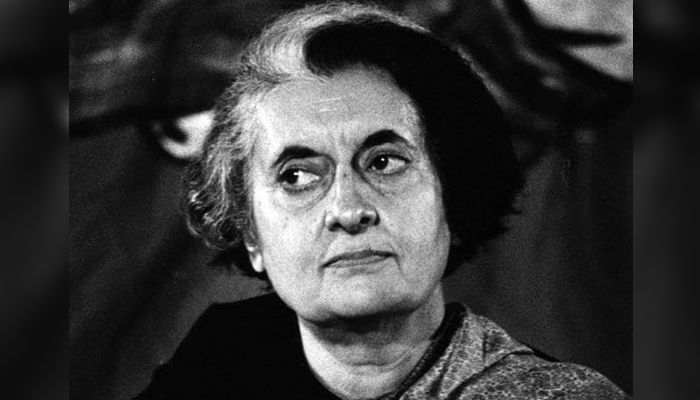
India on the Global Stage
Indira Gandhi’s first tenure also strengthened India’s non-aligned stance in global politics. She balanced relations with both the United States and the Soviet Union while firmly safeguarding India’s strategic interests.
Her leadership during this phase laid the groundwork for India’s assertive foreign policy in the years to come, especially during the lead-up to the 1971 war.
The Verdict of the People
The impact of her first tenure became evident in the 1971 general elections, where her slogan “Garibi Hatao” (Remove Poverty) resonated deeply with voters. The landslide victory that followed validated her policies and leadership approach, marking the beginning of her most powerful phase as Prime Minister.
Indira Gandhi’s first tenure was more than a learning phase, it was the making of a formidable leader. Through economic reforms, agricultural transformation, political assertiveness, and global diplomacy, she redefined what leadership looked like in a newly independent India.
Whether admired or criticised, her early years in office undeniably shaped modern India’s political and economic direction, leaving behind a legacy that continues to influence national discourse.