India has a rich history of engineering excellence, and the nation has produced a collection of brilliant engineers whose contributions have significa...

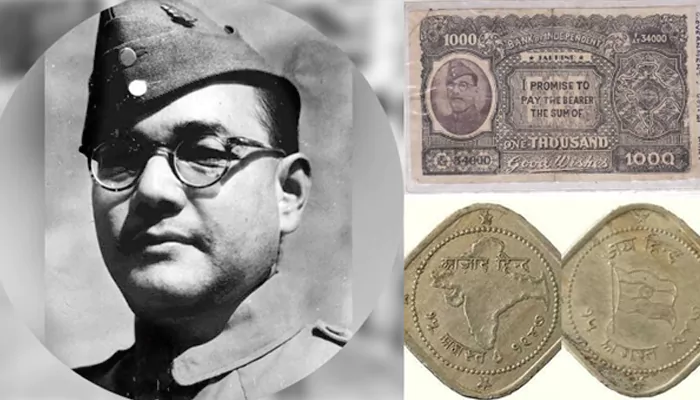
One man, one bank, and the audacity to print a revolution on a promissory note. History, if you look closely enough, isn't just written in ink; sometimes, it’s stamped into metal. And sometimes, it’s printed on a piece of paper that promises you a future that hasn't happened yet.It’s 1944. The place is Rangoon. The air is thick, probably smelling of monsoon damp and high-stakes desperation. In a building that would soon become the heartbeat of a ghost government, Netaji Subhas Chandra Bose isn't just planning a military offensive. He is doing something far more dangerous. He is printing money. Today, the man turns 129 (in spirit, at least), and while we light candles for the soldier, we often forget the economist who knew exactly where to hit the British Empire. Not just in the jaw. But in the wallet. The Bank That Wasn't There Imagine the sheer nerve. You ...
One man, one bank, and the audacity to print a revolution on a promissory note. History, if you look closely enough, isn't just written in ink; sometimes, it’s stamped into metal. And sometimes, it’s printed on a piece of paper that promises you a future that hasn't happened yet.It’s 1944. ...

One man, one bank, and the audacity to print a revolution on a promissory note. History, if you look closely enough, isn't just written in ink; sometimes, it’s stamped into metal. And sometimes, it’s printed on a piece of paper that promises you a future that hasn't happened yet.It’s 1944. ...

One man, one bank, and the audacity to print a revolution on a promissory note. History, if you look closely enough, isn't just written in ink; sometimes, it’s stamped into metal. And sometimes, it’s printed on a piece of paper that promises you a future that hasn't happened yet.It’s 1944. ...






buzztribe.news is our initiative through which we wish to create a journalistic impact that acts as the foundation of an informed and happy society. In a world that’s changing fast, joy is fleeting, and the news is disturbing, we bring you your daily dose of buzzworthy news that has the “joy of knowledge” and the “happiness in truth” at its core.
More from Buzztribe News
Get in Touch
39A,
Shanti Kunj Main, Sector D,
Vasant Kunj,
New Delhi
110070
India