From Varanasi to Woodstock: The Ravi Shankar Story, A Tribute on His Birthday
- Soham Halder
- 6 months ago
- 3 minutes read
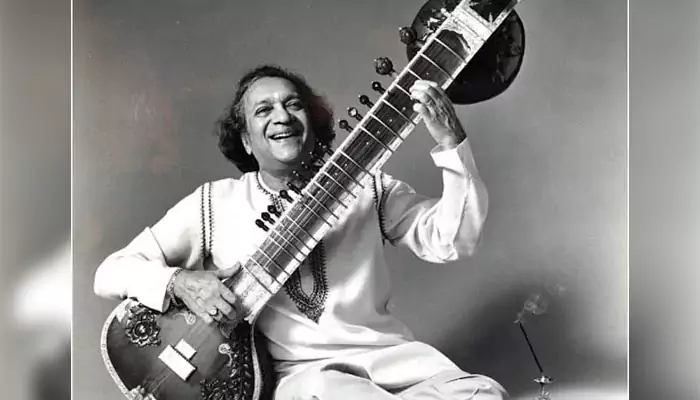
Ravi Shankar’s Journey: From Indian Roots to Woodstock Fame.
The story of Ravi Shankar is not just about music, it’s about a cultural journey that carried the soul of India across continents. From the spiritual lanes of Varanasi to the electrifying stage of Woodstock Festival, his life reflects how tradition can meet global admiration.
On his birthday, we celebrate a maestro who made the sitar a symbol of India’s artistic identity worldwide.
Humble Beginnings in Varanasi
Born in the ancient city of Varanasi, Ravi Shankar grew up surrounded by culture, spirituality, and art.
His early years were shaped by exposure to music and performance. Though he initially toured internationally as a dancer with his brother’s troupe, it was music that truly captured his heart.
Under the rigorous guidance of his guru, Allauddin Khan, he dedicated himself to mastering the sitar, a decision that would change the course of Indian music history.
The Journey to the West
At a time when Indian classical music was largely unknown to global audiences, Ravi Shankar took it upon himself to introduce it to the world.
He began performing in Europe and the United States, captivating audiences with the depth and emotion of Indian ragas. His performances were not just concerts but cultural experiences, where he explained the structure and meaning of his music.
This approach helped bridge the gap between Eastern traditions and Western curiosity.
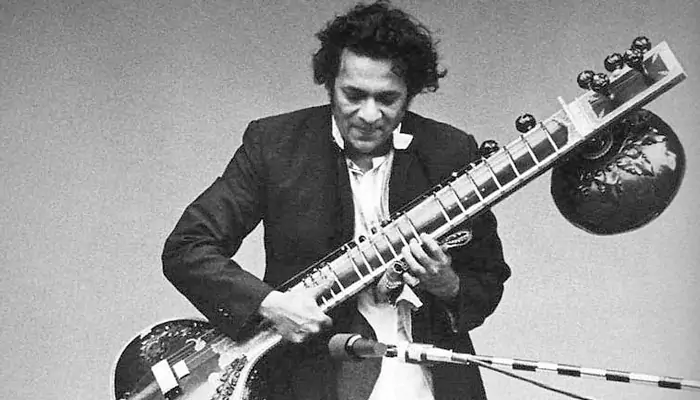
Woodstock: A Defining Moment
One of the most iconic moments in Ravi Shankar’s career was his performance at the Woodstock Festival.
Sharing the stage with global music legends, he brought Indian classical music to one of the largest audiences of the time. Despite the festival’s association with rock and counterculture, his performance stood out for its purity and depth.
For many in the audience, it was their first introduction to the sitar and it left a lasting impression.
Collaborations That Built Bridges
Ravi Shankar’s collaborations with Western musicians played a crucial role in his global success.
His association with George Harrison of The Beatles helped popularise Indian music in the West. Harrison’s admiration for Ravi Shankar led to a surge in interest in the sitar and Indian musical traditions.
These collaborations were not just musical experiments, they were cultural exchanges that brought the world closer together.
Staying Rooted in Tradition
Despite his international fame, Ravi Shankar remained deeply connected to his roots.
He continued to perform and teach traditional Indian classical music, ensuring that its authenticity was preserved. His dedication to his craft earned him respect both in India and abroad.
He proved that global success doesn’t require losing one’s identity.
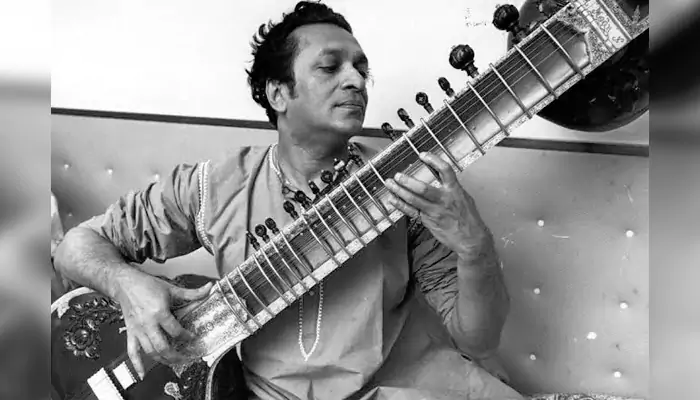
A Legacy Beyond Borders
Ravi Shankar’s influence extends far beyond his performances. He inspired generations of musicians, introduced Indian classical music to new audiences, and established it as a respected art form globally.
His legacy lives on through his recordings, students, and the continued global appreciation of Indian music.
Celebrating a Musical Pioneer
As we remember Ravi Shankar on his birthday, his journey from Varanasi to Woodstock stands as a symbol of artistic excellence and cultural pride.
He didn’t just play music, he created connections, broke barriers, and redefined what it means to be a global artist.
And as his sitar continues to resonate across time, his story remains an inspiration for anyone who believes in the power of passion and perseverance.