International Dance Day: Reclaiming the Unplugged Nostalgia of the 90s Bollywood Hookstep
- Devyani
- 5 months ago
- 3 minutes read
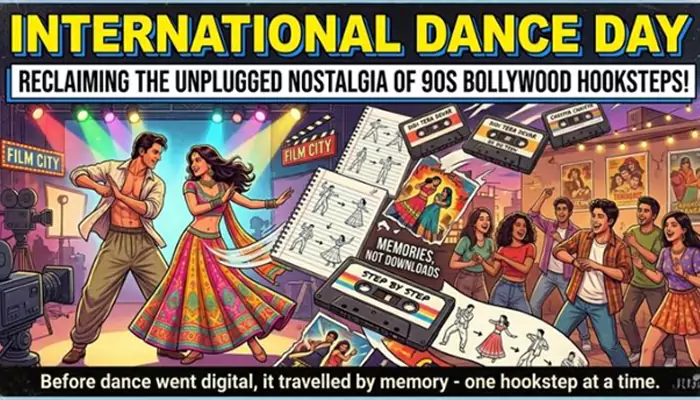
Before dance went digital, it travelled by memory - one hookstep at a time.
It usually begins mid-thought. A beat drops in your head - no warning - and suddenly your hand is doing that thing. You know the one.
On International Dance Day, it feels almost necessary to talk about the 90s Bollywood hookstep, not as nostalgia bait, but as a kind of cultural shorthand we’re still fluent in.
The Era of Instinctive Choreography
Call it accidental genius. Or just really good timing.
(@gaanenayepurane/Instagram)
Songs like Ek Do Teen didn’t just top charts; they assigned movement. The counting gesture - simple, repetitive - turned into a nationwide reflex. Then came Tu Cheez Badi Hai Mast Mast, with that unmistakable shoulder-and-wrist groove that felt slightly cheeky, slightly defiant.
(@oldsongs3332/Instagram)
And who could ignore Ole Ole? That casual swagger, the almost lazy hand wave - it was less about precision, more about attitude. You didn’t perform it; you slipped into it.
(@9avniit/Instagram)
But the list doesn’t stop there. Not even close.
Chaiyya Chaiyya brought in a rolling, grounded rhythm - feet firm, arms expansive - as if the body itself had to match the vastness of a moving train. Then Saat Samundar Paar, with its bouncy, almost mischievous energy, made space for jumps, spins, and a certain carefree abandon. And somewhere in that same decade, Tan Tana Tan Tan Tara arrived - quick, playful, slightly chaotic - its hookstep practically daring you to keep up.
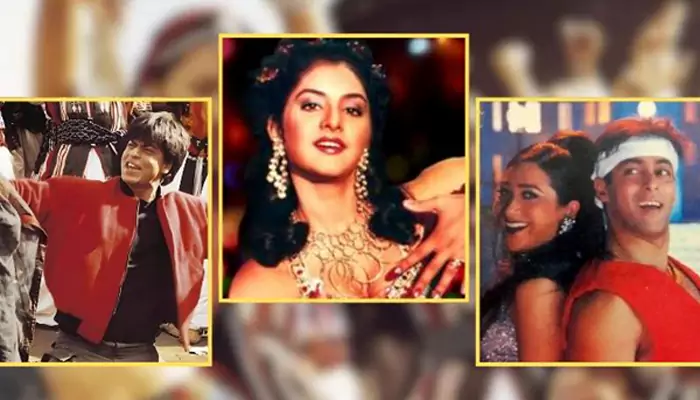
Six songs in, and you start to notice a pattern. None of them feel inaccessible. Not really.
Unpolished, and Better for It
There’s a tendency now to over-explain dance - eight counts, transitions, camera angles. Back then? You watched, you absorbed, you tried. Often badly. It didn’t matter.
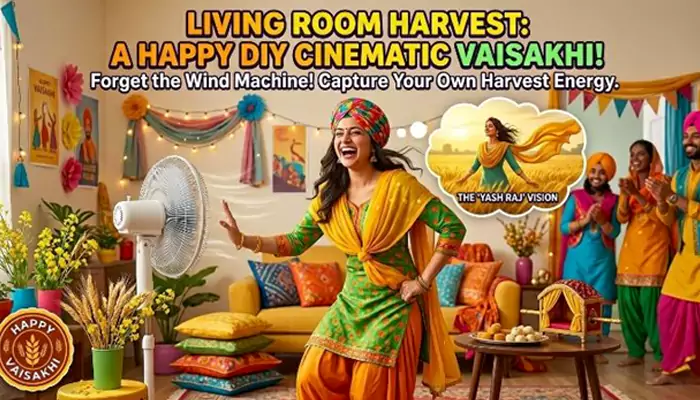
Living rooms doubled as rehearsal spaces. Wedding stages became experimental zones. Someone always forgot a step halfway through and improvised - badly, brilliantly - and the crowd cheered anyway.
It was messy. But alive.
Why These Steps Still Linger
Nostalgia is the easy answer. But it’s also incomplete.
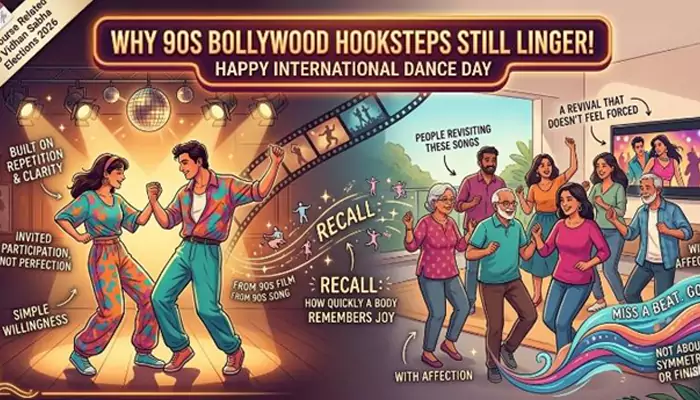
These hooksteps were built on repetition and clarity. They invited participation, not perfection. You didn’t need formal training or even rhythm, frankly. Just willingness. Maybe a bit of shamelessness.
And today, when dance often feels engineered for virality, there’s something disarming about that older simplicity. No pressure to “get it right.” Just… get into it.
A Revival That Doesn’t Feel Forced
Scroll long enough and you’ll see it - people revisiting these songs, attempting those same steps. Not flawlessly. Not even consistently. But with a kind of affection that’s hard to fake.
Sometimes they miss a beat. Sometimes the move looks slightly off.
Good.
Because the 90s hookstep was never about symmetry or finish. It was about recall - how quickly a body remembers what it once enjoyed.
So, What Are We Celebrating Here?
Not just six songs. Not even just a decade.
We’re celebrating a format of dance that didn’t demand excellence to feel complete. A shared muscle memory. A collective shrug, spin, wave - call it what you want - that still surfaces when the right track plays. And honestly, that’s enough.