William Shakespeare’s Birthday: How His Darkest Tragedies Birthed Indian Cinema’s Greatest Psychological Thrillers
- Devyani
- 5 months ago
- 3 minutes read
He never stepped foot in Mumbai, but the Bard of Avon practically ghostwrote the blueprint for Bollywood’s gritty modern noir.
Let’s just bypass the usual birthday candles and literary reverence for a second. Drop a 16th-century English playwright into the dusty, gun-toting badlands of Uttar Pradesh, and what exactly happens? Cinema. Pure, unadulterated, blood-soaked cinema.
While mainstream studios spent the early 2000s churning out bubblegum romances set in vaguely European mountains, a quiet rebellion was brewing back home. A few filmmakers realized something rather brilliant - Shakespeare wasn’t just about ruffled collars and dense, impenetrable poetry. At his core, the guy wrote spectacular pulp fiction. Betrayal, ghosts, staggering ambition, and the kind of jealousy that rots you from the inside out.
The Bhardwaj Blueprint
You cannot seriously dive into this without immediately tipping your hat to Vishal Bhardwaj. He didn’t just lazily adapt the plays; he completely dismantled them.

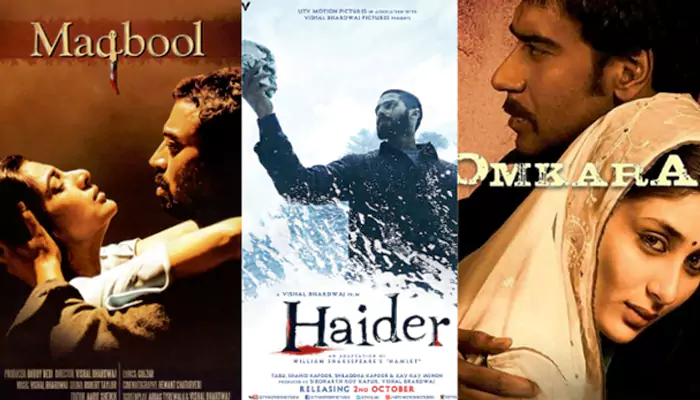
Take Macbeth. Bhardwaj stripped away the misty Scottish moors and shoved the narrative directly into the suffocating, claustrophobic Mumbai underworld to give us Maqbool (2003). It’s a masterpiece, honestly. The three witches? Reimagined as corrupt, cynical cops. The grand prophecy? A casual, chilling prediction muttered over a cup of cutting chai. It feels so distinctly grounded in local soil that you almost forget you're watching a 400-year-old plot unfold.
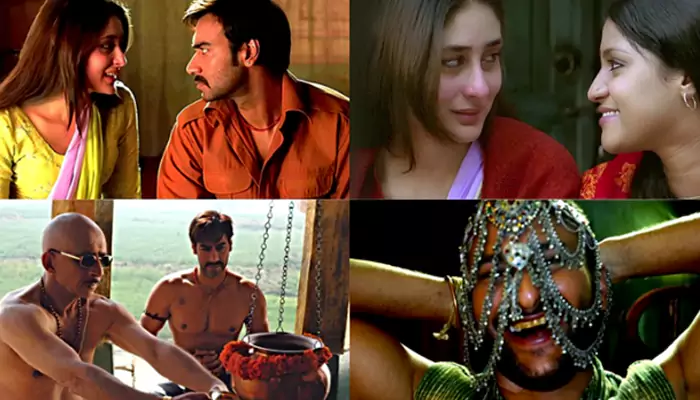
Then came Omkara (2006). Othello thrown into the lawless rural landscape of UP. Langda Tyagi - played with a terrifying, venomous limp - is arguably a more compelling Iago than the original. I believe the raw, rustic dialect did more justice to the tragedy's brutal, messy jealousy than the Queen's proper English ever could.
Existential Dread, But Make It Desi

And then, of course, we have Haider (2014). Hamlet is a notoriously tough nut to crack. It is, boiled down, three hours of a prince aggressively overthinking his own existence. But place that agonizing psychological paralysis against the volatile, heartbreaking backdrop of 1990s Kashmir? Suddenly, the ghost of a murdered father isn't just a convenient literary device; it’s a terrifying political reality.
It works so flawlessly because Indian cinema has always thrived on high-stakes melodrama. We do family feuds and revenge better than almost anyone. Shakespeare just provided the robust psychological scaffolding to make that inherent drama actually mean something profound.
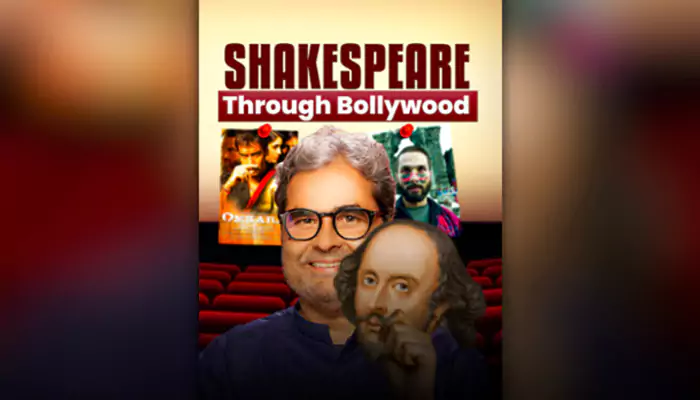
So, as April 23rd rolls around again, maybe skip the polite readings of the sonnets. Watch a desi anti-hero wrestle with his own fractured mind instead. It turns out, the deepest, darkest corners of the human psyche translate exceptionally well on the subcontinent.
I reckon the Bard himself would have bought a front-row ticket.