
The Viral “Namaste Interview” Story: Know How AI Cheating Fears Are Changing Hiring Process
- Soham Halder
- 4 months ago
- 4 minutes read
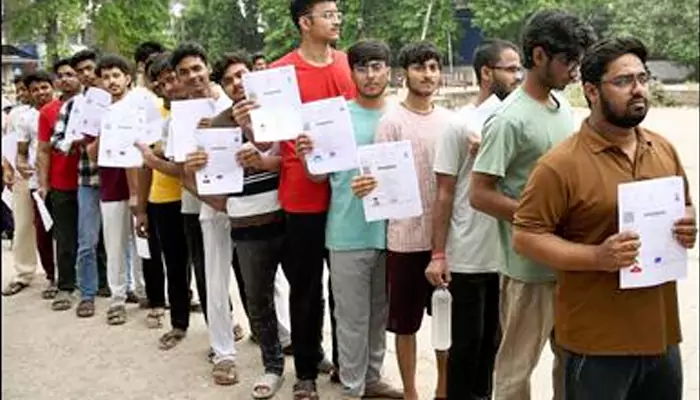
A bizarre virtual interview experience recently went viral online after an accountant claimed he was asked to sit in a “Namaste” position with his eyes closed during an online interview process. According to the viral account, the unusual instructions were allegedly part of an attempt to prevent candidates from secretly using artificial intelligence tools during the interview. The incident quickly sparked debate across social media about how rapidly AI fears are changing modern hiring practices.
While many online users reacted with humour and disbelief, experts say the story reflects a growing tension inside workplaces as companies struggle to balance technology, trust, and fair recruitment practices.
Why Companies Are Becoming Worried About AI During Interviews
The rapid growth of AI tools has changed how people prepare for interviews, write resumes, and complete online assessments. Many companies now worry that candidates may use: AI-generated answers, hidden prompts, or external assistance during virtual interviews and remote tests.
As remote hiring becomes more common, employers are increasingly relying on: proctoring software, webcam monitoring, screen tracking, and behaviour analysis systems to detect suspicious activity.
Experts say companies are trying to protect hiring fairness, but some methods are beginning to make candidates uncomfortable.
Why Online Interviews Are Feeling More Stressful
Job seekers today already face intense pressure from: competitive hiring markets, repeated interviews, and career uncertainty. Now, AI-related monitoring is adding another layer of anxiety. Many candidates fear being: wrongly flagged, misunderstood by automated systems, or judged unfairly during online interviews.
Experts say virtual interviews often feel less personal than face-to-face interactions, and excessive monitoring can make candidates feel distrusted before they are even hired.
For some people, interviews are starting to feel more like surveillance exercises than professional conversations.
Experts Warn Against Overusing AI Detection Systems
Technology experts say AI-detection systems are not always fully reliable. Automated tools can sometimes misinterpret: eye movement, internet delays, nervous behaviour, or unusual camera angles as suspicious activity. This creates risks for genuine candidates who may already be nervous during interviews.
Experts believe companies should avoid turning recruitment into a highly restrictive or humiliating process simply because of growing AI fears. Instead, many suggest focusing more on: problem-solving ability, communication skills, and live interaction rather than rigid monitoring rules.
The Hiring Process Is Rapidly Changing
The rise of remote work and online recruitment has transformed hiring worldwide. Today, many interviews happen entirely through: video calls, online assessments, and digital onboarding systems.
At the same time, AI tools are becoming deeply integrated into both: job applications and recruitment software. Experts say this is creating a new challenge where employers and candidates are both learning how to adapt to technology while still maintaining trust and professionalism.
Social Media Is Amplifying Hiring Horror Stories
The viral “Namaste interview” story gained massive attention because many young professionals already relate to stressful or unusual interview experiences. Across social media, users frequently share stories about: ghosting, unrealistic expectations, excessive interview rounds, and uncomfortable hiring practices.
Experts say these viral discussions reveal growing frustration among job seekers navigating increasingly competitive and technology-driven recruitment systems.
Why Trust Is Becoming a Bigger Workplace Issue
Experts believe the deeper issue behind these stories is not only AI itself, but also trust. As companies worry more about cheating and automation, candidates increasingly worry about: privacy, dignity, and being treated fairly.
This growing distrust is slowly changing workplace culture even before employees officially join organisations.
Closing Note: Technology Is Changing Hiring Faster Than Expected
The viral “Namaste interview” story may sound unusual, but it reflects a very real shift happening in modern recruitment. AI is rapidly transforming how companies hire, assess, and monitor candidates. But experts say technology should support fair hiring, not create fear, humiliation, or excessive suspicion.
As workplaces continue adapting to AI, maintaining balance between security and human respect may become one of the biggest challenges in the future of hiring.





.webp)
.webp)
.WEBP)
.webp)
.webp)