The Shade You Depend On May Disappear This Summer. Cities Are Launching Emergency Tree-Saving Plans
- Devyani
- 5 months ago
- 2 minutes read
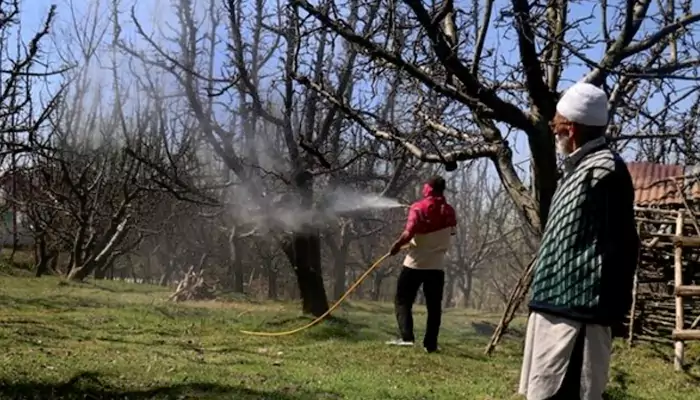
In several Indian cities, the fight against extreme summer heat has taken an unusual turn: municipal workers are now watering mature roadside trees to stop them from collapsing before the monsoon arrives.
Last Friday in Mumbai, a large tree crashed onto a moving autorickshaw in Khar, critically injuring two girls. A few days later, civic officials began something the city has never really attempted at this scale before: watering fully grown trees across high-footfall areas. Not saplings. Not decorative plants. Big, decades-old trees. The kind people instinctively stand under while waiting for buses or escaping a brutal afternoon sun.
Urban heat is drying the soil so aggressively that trees are struggling to pull enough moisture through their internal systems. Scientists describe it as “hydraulic failure” or “embolism” inside trees, where air bubbles interrupt water flow. In plain language? Trees are getting heat-stressed too. And weakened trees crack, uproot, or simply die.
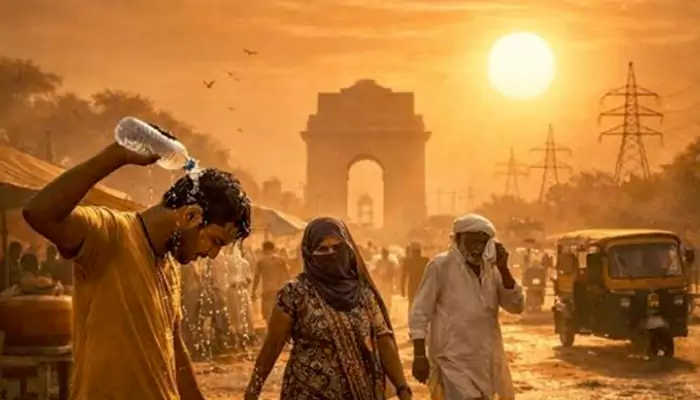
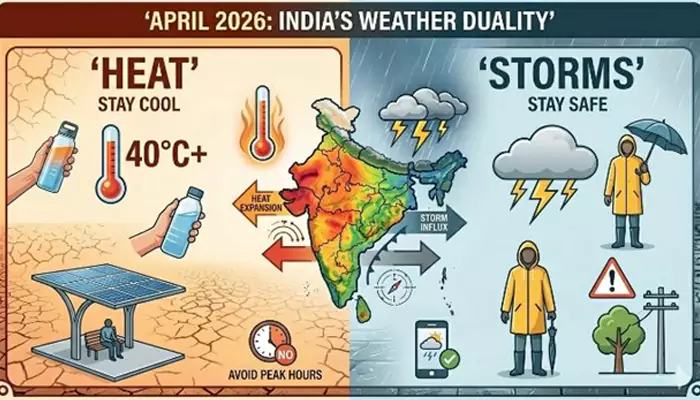
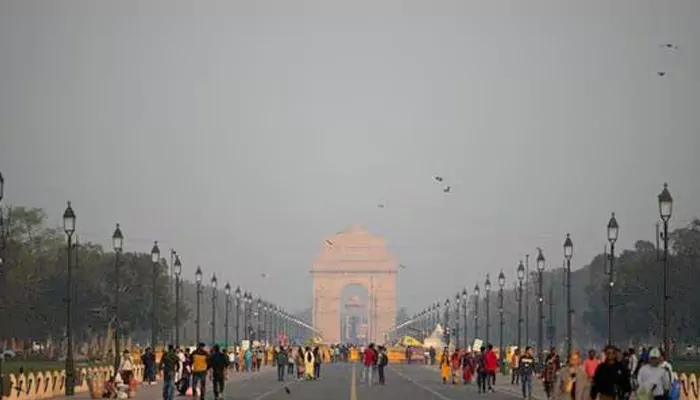
Across India, temperatures have climbed into dangerous territory this summer. Several cities crossed 45°C, while urban neighbourhoods packed with concrete and asphalt are holding heat long after sunset. Nights aren’t cooling properly anymore. Fans circulate warm air. Water from rooftop tanks feels almost boiled by midnight. People notice it, even if they don’t always have the words for it.
What’s making things worse is the slow disappearance of tree cover. Roads widen, flyovers rise, buildings multiply, and mature trees often vanish quietly in the process. Mysuru is currently witnessing protests over plans to fell hundreds of trees for infrastructure work, while Ahmedabad’s civic body has faced criticism over aggressive pruning ahead of monsoon season.
The impact reaches beyond aesthetics. Less shade means hotter streets, more power consumption, warmer homes, and tougher conditions for delivery workers, street vendors, traffic police, and construction labourers. Even a short walk starts feeling oddly exhausting.
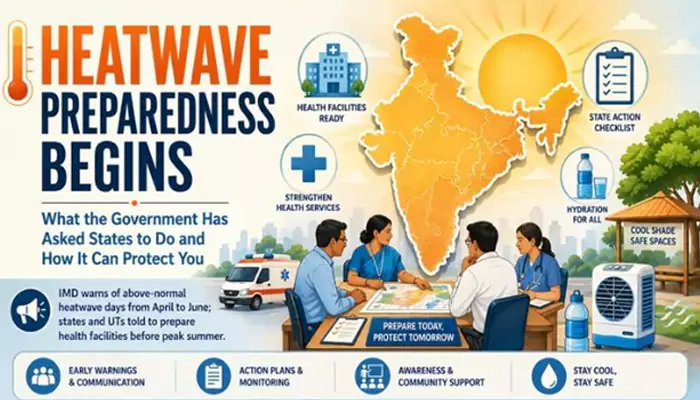
Some cities are now responding with emergency heat plans, watering drives, cooling shelters, and public advisories. Necessary steps, perhaps. Still, many urban planners believe Indian cities are paying the price for treating green cover as optional for far too long.
This summer’s tree-saving efforts are really about preserving livable cities. Once mature shade disappears, rebuilding that natural protection takes decades, not one monsoon season.