Is India Quietly Becoming A More Night-Time Country During Summers?
- Devyani
- 5 months ago
- 3 minutes read
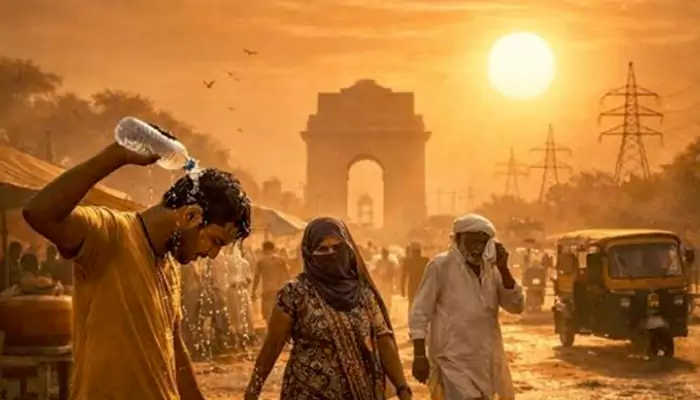
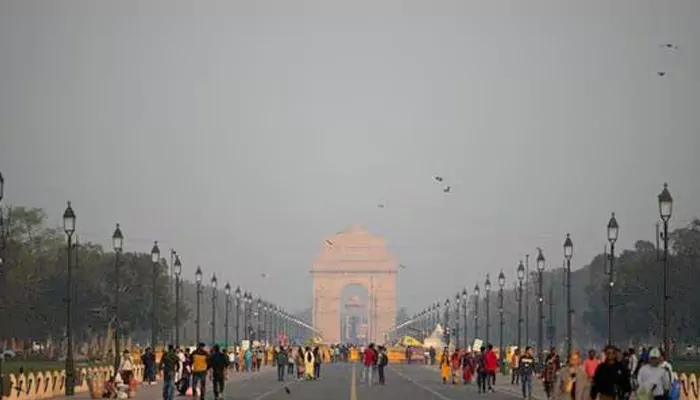
Somewhere around 10:30 pm, Indian cities are beginning to feel strangely alive again. Grocery runs happen late. Food deliveries spike. Parks fill up after sunset. And increasingly, people are reorganising life around heat instead of clocks.
This week, several cities reported unusually warm nights alongside punishing daytime heat. Indore recorded one of its hottest nights of the season at 30.2°C, while Pune and parts of Maharashtra continued facing “sultry night” conditions even after sunset.
Meanwhile, the IMD’s extended-range outlook released today warned of continued “warm night conditions” across parts of Rajasthan, Maharashtra, Madhya Pradesh and Vidarbha through next week.
And that changes behaviour. Quietly at first.
People are postponing errands, workouts, shopping and social plans until late evening because afternoons feel physically draining. In some neighbourhoods, local markets now look busier at 9 pm than they did at 6 pm a few summers ago. India is not becoming nocturnal exactly, but perhaps… slightly moonlit.
Why hot nights matter more than people realise
Daytime heat is exhausting. Hot nights are different. They interrupt recovery.
A recent Climate Trends study in Chennai found that indoor temperatures in many low- and middle-income homes remained above 31°C at night for long stretches of the year, with some rooms staying hotter indoors than outdoors.
That matters because sleep quality drops sharply during prolonged heat exposure. Economic activity shifts too. Restaurants stay busy later. Delivery patterns change. Gyms extend evening timings. Even housing choices may slowly evolve toward better ventilation and cooler building materials.
Honestly, Indian summers are beginning to behave less like a season and more like a scheduling system.
How everyday life may keep changing
Families are increasingly planning around “cooler windows” instead of normal daytime routines. Outdoor workers already face timing adjustments in several regions, with Pune authorities this week advising companies to provide rest zones and shift heavy labour away from peak afternoon heat.
For ordinary households, this may mean:
- Later dinner outings
- Increased late-night electricity use
- More food-delivery dependence
- Sleep disruption from warm nights
- Rising spending on cooling and comfort
The heatwave story is no longer only about temperature records. It is becoming a lifestyle story.
What people should keep in mind
Doctors and weather experts continue advising hydration, lighter meals at night, proper ventilation and reduced outdoor activity during peak heat hours.
Also, monitor sleep quality. Persistent hot nights affect recovery more than many people realise.
What comes next
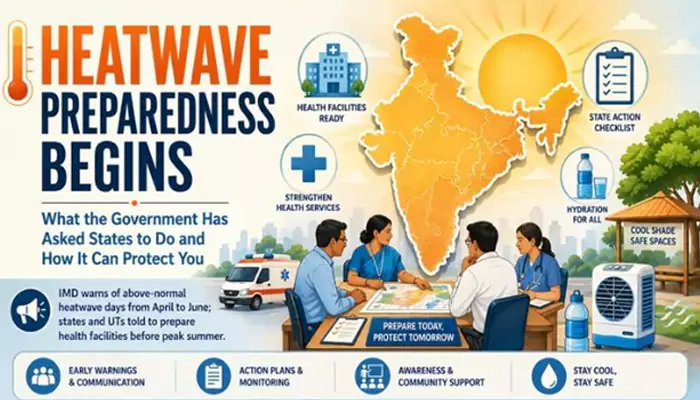
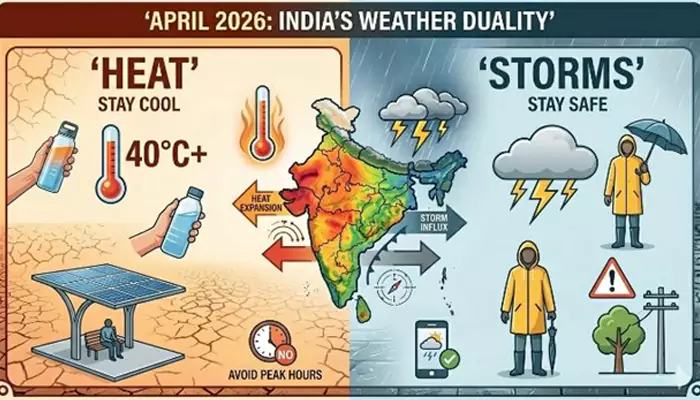
IMD expects above-normal heatwave days and warmer nights across several regions this month. Cities, businesses and households may increasingly adapt around evening and nighttime activity during peak summers.
India may not fully become a night-time country. But during harsh summers, more of life is clearly beginning after sunset.