Remembering the Mahanayika: From Smoky Eyes to Deepika's Padmaavat look : How Suchitra Sen Invented Bollywood's Timeless Glamour Code
- Devyani
- 8 months ago
- 3 minutes read
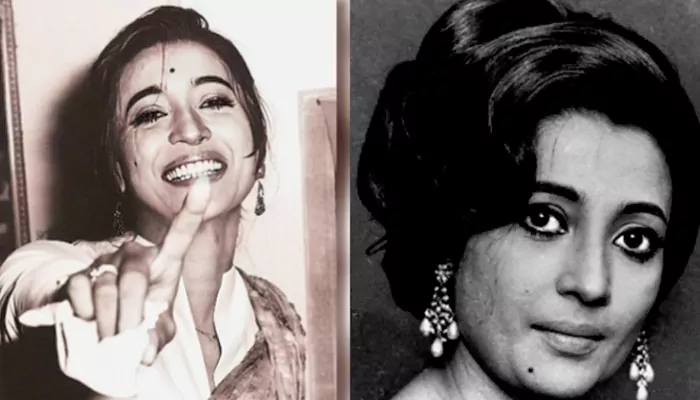
From Park Street balconies to Sanjay Leela Bhansali’s sets, the Mahanayika’s smoky eyes and poised silences still haunt the way Bollywood dresses its queens.
In the 1950s, when Hindi heroines were either suffering saints or decorative dolls, Bengali cinema met Suchitra Sen - a working woman on screen who could hold her own, look impossibly elegant, and still feel like the girl next door on Rashbehari Avenue. She paired crisp blouses with soft cottons and silks, sat a little straighter than everyone else, and let her eyeliner do the flirting; middle‑class Bengali women copied her hair, her drape, even the tilt of her chin.
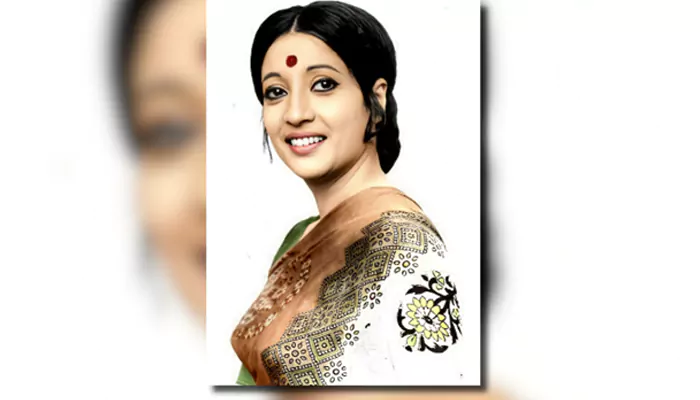
What set her apart wasn’t just beauty; it was agency. Scripts bent around her, not the other way round, and producers knew a film with her name on the poster could out‑earn many male stars - rare enough for her to be called “Mahanayika”, a title almost never granted to actresses then.
Smoky eyes and the chiffon dream
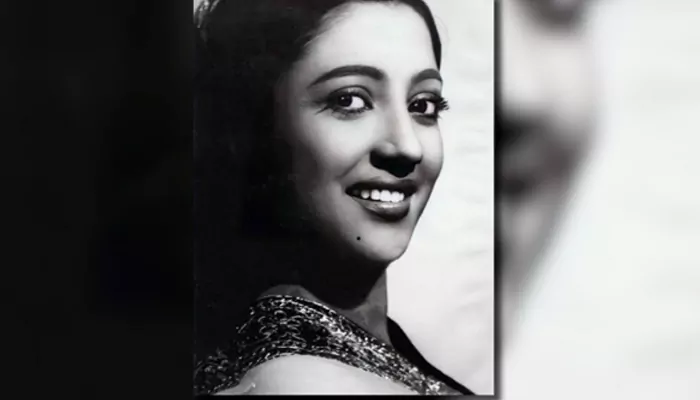
That famous gaze - soft, elongated, rimmed with dense kohl - became a template long before anyone on Instagram said “soft glam. Directors loved how the camera found entire monologues in a single close‑up: a smudge of liner, a half‑smile, a sudden steeliness when her characters chose self‑respect over romance.
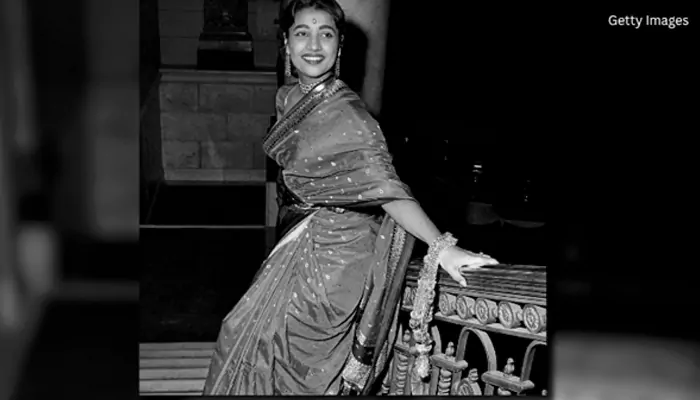
Later decades carried the echo. The chiffon‑saree heroines of Hindi cinema - the wind‑whipped elegance people rave about from Vidya Sinha to Sushmita Sen and Deepika Padukone - stand on a foundation built by Suchitra’s blend of restraint and allure, where the saree floated but the woman stayed firmly in control.
From Mahanayika to Padmaavat
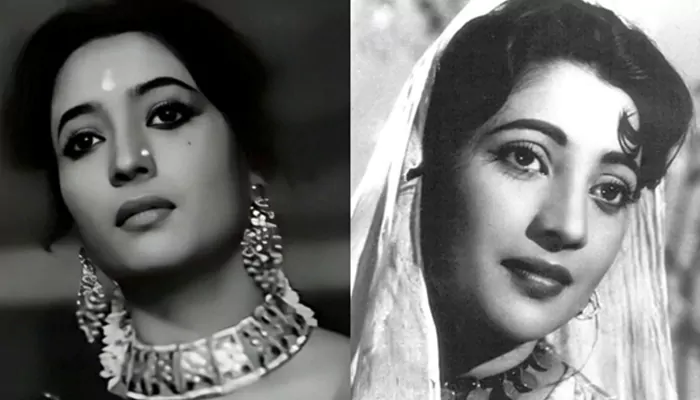
Watch Deepika in Padmaavat: the strong brows, the unfussy hair, the jewellery that suggests power more than prettiness. It’s easy to see a line running back to Suchitra’s queens and professionals, women whose beauty signalled authority, not fragility. Even today, fashion editorials and nostalgia reels nod to that “Suchitra Sen look” - saree anchored perfectly, eyes doing most of the talking, smile held back like a secret.
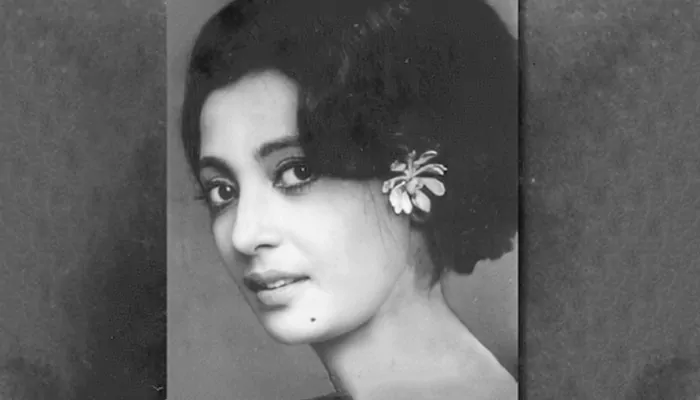
Designers and stylists may name‑drop newer stars, but the architecture of the Indian screen goddess - the balance of mystery, dignity and desire - was drafted in black‑and‑white by her.
The Code That Outlived The Star
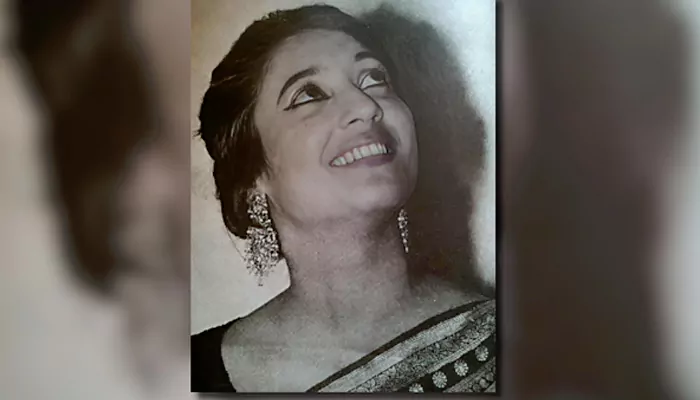
Sen vanished from public life in the 1970s, guarding her privacy so fiercely that she became an urban legend in her own city. Yet every time a contemporary heroine is praised for “old‑world charm” or “timeless saree glamour,” it’s really that original code being reused - smoky eyes, measured grace, and a woman who owns the frame rather than decorates it.
In a film industry still wrestling with how to dress its heroines, the Mahanayika quietly solved it decades ago and then, characteristically, looked away.