
Petrol Prices Hold For Now, But Trump-Iran Deadlock Keeps Fuel Bills Under Watch! Here's What You Should Check Before Refuelling
- Devyani
- 1 day ago
- 3 minutes read
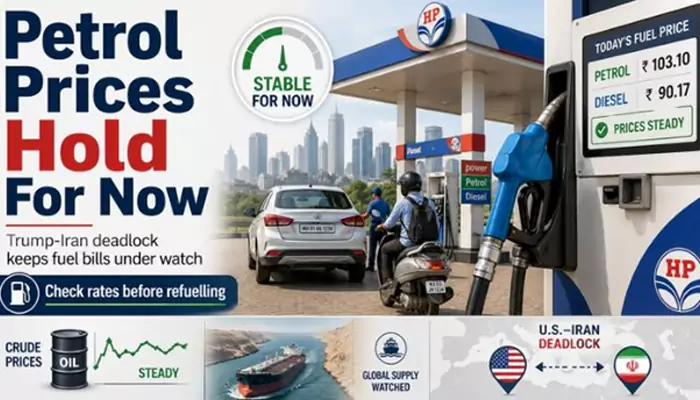
Pump rates stayed unchanged across major Indian cities on April 28, but rising crude prices and the Strait of Hormuz squeeze mean commuters should keep an eye on the next few revisions.
For Indian commuters, Tuesday began without a fuel-price jolt. Petrol and diesel prices stayed steady across India on April 28, even as global crude markets remained tense because of West Asia’s shipping disruption. In Delhi, petrol was listed at ₹94.77 per litre and diesel at ₹87.67. Mumbai remained costlier, with petrol at ₹103.54 and diesel at about ₹90.03. Kolkata’s petrol was ₹105.41, while Chennai’s stood at ₹100.80.
That is the useful bit for the ordinary rider, driver, delivery worker, cab user, and office commuter: no immediate price jump today. But the calm has a small “for now” attached to it. Fuel prices in India are shaped by crude oil, the rupee-dollar exchange rate, central and state taxes, transport cost, and local supply conditions. So, a stable pump board today does not always mean the background is quiet.
Why The Trump-Iran Deadlock Matters
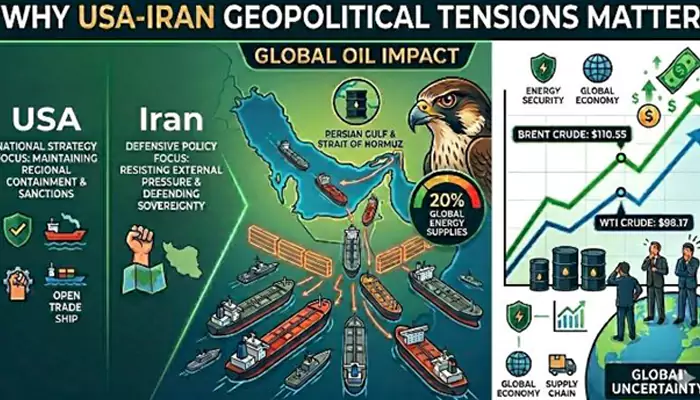
The worry is not coming from Indian pumps first. It is coming from oil routes. Reuters reported that U.S. President Donald Trump was unhappy with Iran’s latest proposal to end the conflict because Tehran wanted to postpone nuclear-program talks until after the war and Gulf shipping disputes were settled. The U.S. position is that nuclear issues must be addressed from the start.
Meanwhile, oil prices rose nearly 2% on Tuesday as the standoff continued and the Strait of Hormuz, a crucial energy route, remained heavily constrained. Brent crude climbed to $110.55 a barrel, while U.S. WTI crude rose to $98.17. The Strait usually carries energy supplies equal to about 20% of global oil and gas consumption, which explains why traders are watching it like hawks.
How It Can Impact Daily Life
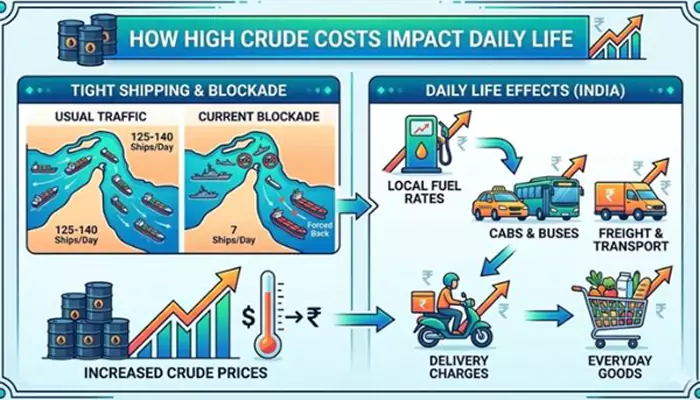
For now, commuters do not need to rush to the petrol pump as if there is a sale ending tonight. That would be overdoing it. But if crude stays expensive for longer, India’s fuel-pricing pressure can build. A higher crude bill can influence retail petrol and diesel rates, transport costs, cab fares, delivery charges, and eventually prices of goods that move by road.
The shipping picture is also tight. Reuters reported that six Iranian oil tankers were forced back by the U.S. blockade, and only seven ships crossed the Strait in a day compared with the usual 125 to 140 before the conflict.
What Commuters Should Check Before Refuelling
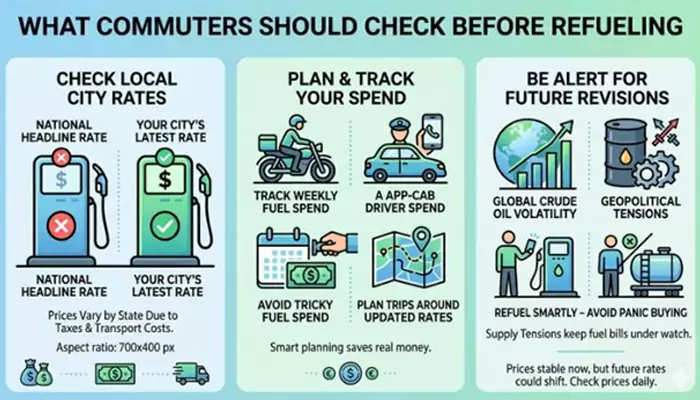
Before filling up, check your city’s latest rate, not just a national headline. Prices vary sharply by state because taxes and transport costs differ.
Two-wheeler users, app-cab drivers, daily car commuters and delivery workers should track weekly fuel spend, avoid unnecessary idling, and plan longer trips around updated pump rates. Basic stuff, yes, but it saves money.
Petrol prices may be steady today, but global crude movements and the Trump-Iran deadlock could influence future revisions. Daily commuters should check the latest pump rates, avoid panic buying, and plan refuelling smartly as supply-route tensions keep fuel bills under watch.
Petrol prices are stable for now, but crude trends and Trump-Iran tensions could affect future rates. Check pump prices before refuelling.