
“Maybe There Was a Mistake”: How Lower Recheck Fees Could Reduce Result-Day Anxiety for Students
- Soham Halder
- 4 months ago
- 3 minutes read
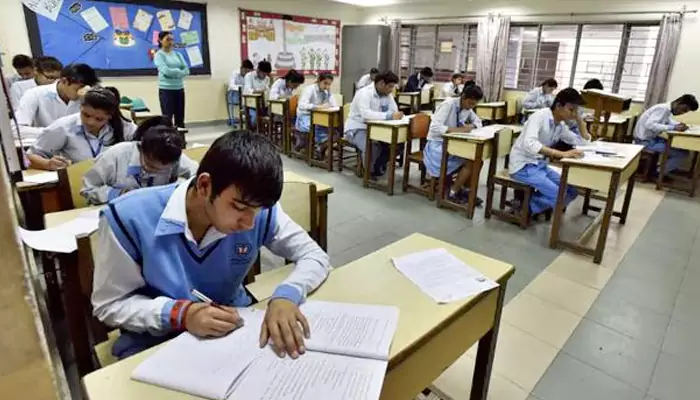
For many students, board exam result day is one of the most emotional moments of the academic year. While some celebrate high scores, others quietly struggle with disappointment, confusion, or the feeling that their marks do not fully reflect their performance. In such situations, applying for answer-sheet rechecking often feels like the only option. But for years, many students and families hesitated because of the high costs involved.
Now, the Central Board of Secondary Education has reduced the paper recheck fee to Rs. 100, nearly five times lower than before, bringing relief to students and parents across the country. Education experts believe the move could make students feel more confident about questioning unexpected marks without worrying too much about financial pressure.
Why Rechecking Feels Important for Many Students
Board exam scores often influence:
- college admissions
- scholarship opportunities
Because of this, even a difference of a few marks can feel extremely important for students aiming for competitive cut-offs. Sometimes, students genuinely believe there may have been:
- calculation errors
- unchecked answers
Earlier, the cost of rechecking discouraged many students from applying, especially if multiple subjects were involved.
For middle-class families already spending heavily on education, coaching, and entrance preparation, additional result-related expenses often became stressful.
Result-Day Anxiety Has Become More Intense
Experts say academic pressure among students has increased significantly in recent years. Social media comparisons, cut-off discussions, and constant percentage-based competition often make students emotionally vulnerable during result season. For some students, unexpectedly low marks can trigger:
- self-doubt and panic
- fear about future opportunities
Counsellors say having an affordable rechecking option may provide emotional reassurance, even if marks do not always change later. The feeling that “there is still one more chance to verify” can itself reduce helplessness among students.
Why Lower Fees Matter for Ordinary Families
Education costs in India have steadily increased over time. Apart from tuition and coaching fees, families also manage:
- exam expenses
- application and admission costs
Experts say reducing recheck fees makes the process more accessible, especially for households balancing tight educational budgets. Parents may now feel more comfortable allowing students to apply for verification if genuine doubts exist.
The decision may particularly help students from smaller towns and economically sensitive backgrounds who earlier avoided rechecking because of cost concerns.
Experts Say Students Should Still Use Rechecking Carefully
While the reduced fee is widely welcomed, education experts advise students to approach rechecking realistically. They recommend applying mainly when:
- performance expectations strongly differ from marks
- clear doubts exist about evaluation accuracy
Experts also remind students that rechecking does not always lead to mark increases. However, they believe transparency and affordability improve trust in the examination process overall.
A Small Policy Change With Emotional Impact
Education analysts say the fee reduction may seem small administratively, but emotionally it could make a noticeable difference. Board exam marks continue to carry enormous psychological weight for students in India.
In such an environment, affordable access to answer-sheet verification can help reduce the fear of being permanently stuck with a possible mistake.
Closing Note: Students Want Fairness as Much as Marks
For most students, rechecking is not simply about chasing extra marks. It is also about reassurance, fairness, and confidence in the evaluation system. By reducing the recheck fee significantly, CBSE may have eased one important source of post-result anxiety for thousands of families.
And for students staring anxiously at unexpected scores, the new rule quietly sends a comforting message: if something feels wrong, checking again no longer has to feel financially impossible.


.webp)