NEET to Go Fully Online Next Year: Why Students Are Both Excited and Nervous
- Soham Halder
- 4 months ago
- 4 minutes read

India’s biggest medical entrance examination may soon undergo one of its biggest changes in years. After the controversy surrounding the alleged NEET-UG 2026 paper leak and the subsequent cancellation of the examination, the government has now announced that NEET could shift fully to Computer-Based Test (CBT) mode from next year. Union Education Minister Dharmendra Pradhan recently said the move is being considered as part of broader exam reforms aimed at improving transparency and reducing the risk of paper leaks.
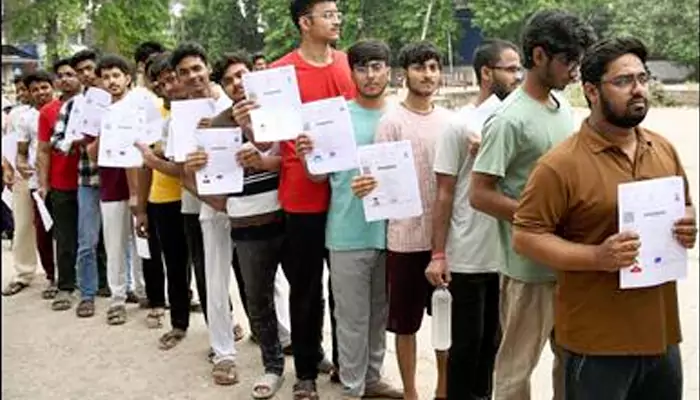
For lakhs of aspirants across the country, the proposed transition is creating mixed emotions. While some students see CBT as a modern and safer system, many others are anxious about adapting to an entirely different exam experience.
Why NEET’s Shift to CBT Mode Is Being Seen as a Major Reform
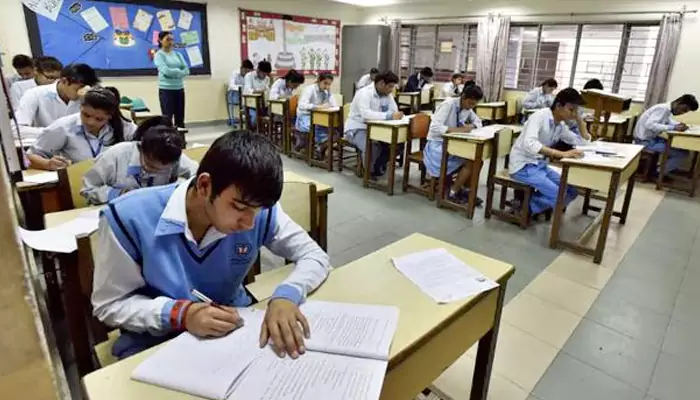
For years, NEET has been conducted in traditional pen-and-paper format using OMR sheets. But after repeated concerns around paper leaks and exam security, authorities are increasingly looking at digital testing systems as a more controlled alternative.
Experts say CBT mode could help:
- improve exam monitoring
- reduce physical paper handling risks
Computer-based systems are also often seen as faster when it comes to result processing and question management. Following the NEET 2026 controversy, many students and parents had demanded stronger safeguards to restore trust in the examination process.
Why Many Students Are Feeling Nervous About the Change
Despite the potential benefits, the announcement has also triggered anxiety among aspirants. A large number of NEET students, especially from smaller towns and rural backgrounds, are more familiar with handwritten exams than computer-based testing.
Many are worried about:
- screen navigation during exams
- time management on computers
Some students also fear technical glitches or unfamiliarity with digital interfaces affecting their performance under pressure. For aspirants who have spent years preparing with traditional mock tests and OMR practice sheets, the sudden shift feels emotionally overwhelming.
Rural and Small-Town Students Could Face Bigger Challenges
Education experts say the digital transition may expose gaps in access and preparedness. Students from urban coaching ecosystems often already use:
- online mock test platforms
- computer-based preparation tools
However, many rural students may not have regular exposure to computer testing environments. Experts believe authorities will need to ensure:
- fair digital access
- proper practice opportunities
before implementing a nationwide transition fully.
Without preparation support, some students fear the exam could become more about digital familiarity than academic knowledge.
Coaching Culture May Also Start Changing
The possible shift to CBT mode is expected to influence how coaching institutes train students as well. Experts say preparation patterns may increasingly include:
- online simulation tests
- screen-based time management practice
This could gradually change the overall NEET preparation ecosystem in India. Students may also need to develop comfort with digital exam strategies, including question review systems and on-screen navigation.
Experts Say Adaptation Will Be Key
Education counsellors believe students should not panic about the transition too early. They say the core syllabus and subject knowledge will remain the same, even if the exam format changes.
Experts advise aspirants to gradually begin:
- taking online mock tests
- improving computer familiarity
rather than viewing CBT as a completely different examination. Many believe that once students become comfortable with the interface, the fear around online exams may reduce significantly.
Closing Note: A New Era for India’s Biggest Entrance Exam
The proposed shift of NEET into CBT mode reflects how India’s examination system is evolving after the recent paper leak controversy. While the transition may improve security and efficiency, it is also creating uncertainty among students already dealing with intense academic pressure.
For now, aspirants across the country appear caught between two emotions, excitement about a modern system and nervousness about adapting to a completely new exam experience.


.webp)