
Is Ghee a Superfood in Winter? Science vs. Tradition Explained
- Soham Halder
- 8 months ago
- 4 minutes read
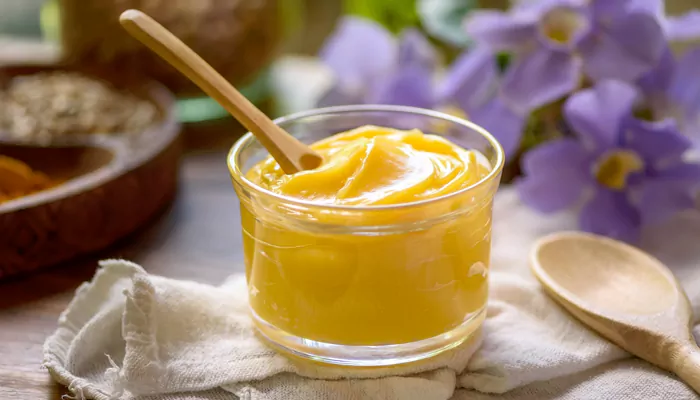
More than taste, ghee’s winter role decoded.
Every Indian winter revives a familiar debate. Should you add that extra spoon of ghee to your dal or roti or skip it to “eat light”? While our grandparents swore by ghee during colder months, modern diet culture often paints it as indulgent or risky.
So, what’s the truth?
Is ghee really a winter superfood, or is it just nostalgia dressed as nutrition?
Let’s break it down, tradition on one side, science on the other.
Why Ghee Became a Winter Staple in Indian Homes
In traditional Indian households, ghee consumption naturally increased during winter. This wasn’t accidental. Ayurveda categorises winter as a season of strong digestion, or high agni. Cold weather allows the body to process heavier foods without stress.
Ghee was believed to:
- Keep the body warm from within
- Improve digestion
- Strengthen joints
- Prevent dryness of skin and gut
In short, it acted as seasonal fuel, not everyday excess.
What Modern Science Says About Ghee
Contrary to popular belief, ghee isn’t just “fat”. It contains several components that make it nutritionally relevant, especially in winter.
- Healthy Fats for Cold Weather
Ghee is rich in saturated fats, which have been controversial for years. However, recent studies suggest that when consumed in moderation, saturated fats can provide long-lasting energy and improve satiety, something the body needs in cold conditions.
In winter, when metabolism slows slightly, ghee helps sustain warmth and energy.
- Rich Source of Butyric Acid
One of ghee’s standout components is butyric acid, a short-chain fatty acid that:
- Supports gut health
- Reduces inflammation
- Strengthens the intestinal lining
A healthy gut is crucial during winter, when digestion often becomes sluggish and immunity weakens.
- Helps Absorb Essential Vitamins
Ghee helps the body absorb fat-soluble vitamins like A, D, E, and K. This is particularly important in winter, when:
- Vitamin D deficiency is common due to less sunlight
- Immunity needs extra support
Adding ghee to vegetables actually increases their nutritional value.
Ghee vs. Other Fats: Why It Stands Out in Winter
Unlike refined oils, ghee is:
- Stable at high cooking temperatures
- Free from trans fats
- Easy on digestion when used correctly
In Indian winters, foods are often slow-cooked and spice-heavy. Ghee complements this cooking style far better than refined oils.
This stability is one reason ghee was trusted long before nutrition labels existed.
The Ayurvedic Angle: Balance, Not Blind Consumption
Ayurveda never promoted unlimited ghee consumption. It emphasised balance and body type.
According to traditional wisdom:
- Ghee benefits people with dry skin, joint stiffness, and weak digestion
- It should be consumed mindfully by those with sedentary lifestyles
Winter, however, is considered the best season to include ghee, even for those who usually limit fats.
When Ghee Becomes a Problem
Science and tradition agree on one thing, excess is the issue, not ghee itself.
Problems arise when:
- Ghee is eaten alongside ultra-processed foods
- Physical activity is low
- Portion control is ignored
One to two teaspoons a day, especially with warm meals, is generally considered safe for most healthy adults.
So, Is Ghee a Winter Superfood?
If a superfood is something that:
- Nourishes deeply
- Supports immunity
- Aids digestion
Fits naturally into a seasonal diet
Then yes, ghee earns its superfood badge in winter.
It’s not magic, and it’s not meant to replace balanced meals. But when used as our grandparents did, intentionally and seasonally, ghee becomes both comforting and functional.
The real lesson isn’t about choosing science over tradition or vice versa. It’s about recognising where they agree.
In winter, your body needs warmth, nourishment, and resilience. Ghee delivers all three, quietly, reliably, and without marketing hype.
Sometimes, the smartest health advice is already sitting on your plate.


