From Meme to Movement: Why & How India’s Youth Are Relating to the Viral ‘Cockroach Janta Party’
- Soham Halder
- 5 months ago
- 4 minutes read

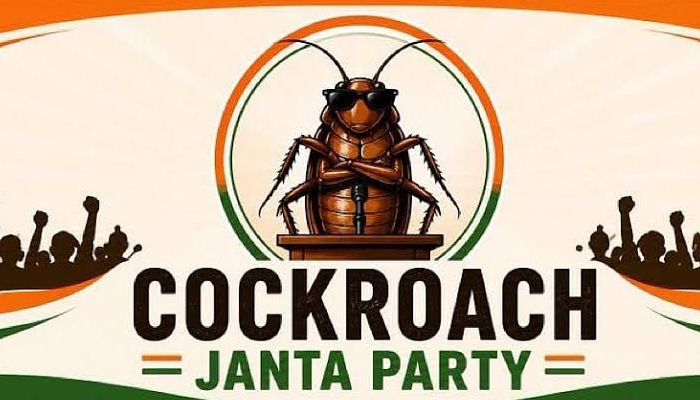
What started as an internet joke has quickly turned into one of the most discussed viral trends online. The so-called “Cockroach Janta Party” began as a satirical response after controversial comments linked to unemployed youth triggered reactions across social media. Within days, the trend exploded with memes, parody campaign posters, and thousands of users joining the online conversation.
For many people, it looked like harmless humour. But experts believe the movement became popular because it connected with something deeper, frustration, exhaustion, and emotional disconnect among many young Indians.
Why the Trend Spread So Fast
Internet culture moves quickly, especially when humour feels relatable. The “Cockroach Janta Party” trend mixed absurd comedy with emotions many youngsters already feel online every day.
Memes and parody posts spread rapidly because people found them entertaining but also strangely relatable. In the social media era, humour often travels faster than serious discussions, particularly when frustration is hidden behind jokes.
Experts say young users today prefer expressing emotions through viral content rather than formal debates or traditional activism.
Why Young People Connected With It
Many youngsters today are dealing with constant pressure related to jobs, studies, money, and future uncertainty. Social media adds another layer of stress by constantly showing success stories, luxury lifestyles, and career comparisons.
Experts believe satire becomes emotionally comforting during difficult times. Instead of openly discussing disappointment or anxiety, many young people use humour to express those feelings indirectly.
That is one reason the viral movement resonated so strongly online. Behind the jokes, many users saw reflections of their own frustrations.
Memes Are Becoming a New Language
Digital culture experts say memes are no longer just entertainment. They are now becoming a major form of communication for younger generations. Instead of writing long political opinions, users often react through: short videos, edited images, sarcastic captions, and parody accounts.
For Gen Z especially, humour feels easier, safer, and more emotionally manageable than direct confrontation. Meme culture allows people to participate in conversations without sounding overly serious.
This is why satirical trends today can sometimes feel more powerful than traditional online campaigns.
Social Media Is Changing Public Conversations
The popularity of the “Cockroach Janta Party” also reflects how political and social discussions are changing online. Many young users now interact with serious issues through: viral reels, meme pages, and trending hashtags rather than television debates or political speeches.
Experts say internet-driven conversations feel more accessible because they combine humour with shared emotional experiences. People feel part of a community when thousands of others are laughing at the same frustration.
This emotional connection often helps trends spread even faster.
Experts Say the Frustration Behind the Humour Is Real
While the movement itself remains satirical, experts warn against dismissing it completely as “just memes.” Many viral humour trends emerge during periods of: economic stress, career uncertainty, and emotional burnout.
Experts believe today’s youth are using internet humour not only for entertainment, but also as a coping mechanism in an increasingly competitive and digitally overwhelming environment.
Why Humour Feels Comforting Online
Psychologists say collective humour gives people emotional relief. When thousands of users joke about the same problem, it creates a temporary sense of belonging and understanding. For many young Indians, participating in viral trends is not necessarily about politics alone. It is often about feelings seen by others facing similar struggles.
In the digital era, humour has become both entertainment and emotional survival.
Closing Note: Behind the Joke, There’s a Bigger Story
The viral “Cockroach Janta Party” may appear chaotic and funny on the surface, but its popularity reflects something important about modern internet culture. Today’s youth are increasingly using satire, memes, and viral humour to process frustration, uncertainty, and emotional fatigue. Social media has turned jokes into conversations, and conversations into digital movements.
And in many cases, the loudest internet humour may actually be hiding some of the quietest real-world frustrations.
.webp)
.webp)