Rs 3 Fuel Hike Explained: Why Petrol Prices Matter Even If You Don’t Own a Vehicle
- Soham Halder
- 5 months ago
- 4 minutes read
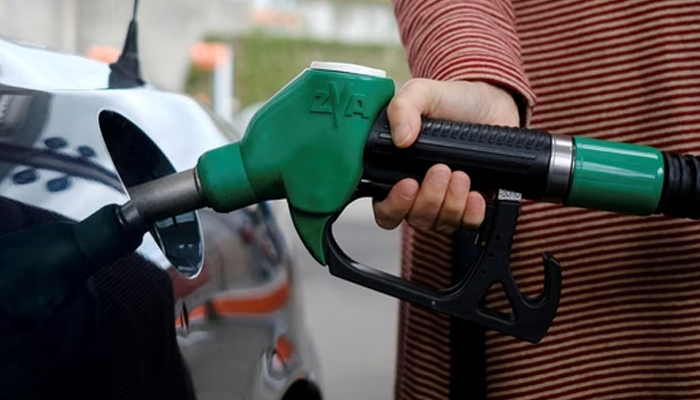
For many people, petrol and diesel prices may seem important only to car or bike owners. But in reality, fuel prices influence far more than what drivers pay at petrol pumps. From vegetables and food delivery to online shopping and public transport, fuel costs quietly affect everyday life for almost everyone.
India’s latest Rs. 3 per litre hike in petrol and diesel prices has once again brought attention to how deeply fuel prices are connected to household spending and the wider economy. The increase comes amid rising global crude oil concerns linked to tensions in West Asia, especially the ongoing Iran-related geopolitical situation. (reuters.com)
While vehicle owners may feel the impact immediately at fuel stations, experts say non-drivers may also begin noticing slower, indirect effects in the coming weeks.
Why Fuel Prices Affect More Than Transportation
Fuel powers much of the country’s transport system. Trucks carrying vegetables, grocery supplies, medicines, online orders, and packaged goods all depend heavily on petrol or diesel. When fuel prices rise, transportation costs gradually increase for businesses as well.
Over time, this may influence:
- grocery prices
- delivery charges
Experts say even small fuel hikes can slowly ripple across supply chains because transportation remains essential for nearly every sector. This is why fuel inflation often affects consumers indirectly, even if they do not personally own vehicles.
Food Delivery, Cab Rides and Daily Services Could Become Costlier
Urban consumers may especially notice the impact through app-based services. Food delivery platforms, ride-hailing services, courier businesses, and local transport operators all depend on fuel expenses as part of their operating costs. If prices remain elevated for a longer period, consumers may gradually experience:
- higher cab fares
- increased delivery fees
Local vendors and small businesses may also face additional pressure managing transportation expenses. For middle-class households already balancing monthly budgets carefully, these small increases across multiple services can become noticeable over time.
Public Transport Users May Also Feel the Impact
Even people who travel mainly by buses, autos, or shared transport are not completely insulated from fuel hikes. Transport operators often review fares when fuel prices remain high for extended periods. In some cities, increased fuel expenses may eventually influence:
- auto-rickshaw fares
- bus operating costs
Experts say this is why fuel price changes often become a broader cost-of-living issue rather than just a driver’s concern.
Why Global Events Affect Indian Fuel Prices
India imports a large portion of its crude oil requirements from international markets. Because of this, global geopolitical tensions, especially in oil-producing regions can directly affect domestic fuel pricing. Recent tensions linked to Iran and West Asia have increased concerns around crude oil supply stability worldwide.
Experts say uncertainty in global energy markets often pushes oil prices upward, which can eventually affect consumers in importing countries like India.
Households May Start Adjusting Spending Habits Again
Periods of rising fuel prices often influence consumer behaviour as well. Some families may begin:
- reducing unnecessary travel
- planning expenses more carefully
Others may look at fuel-saving habits such as carpooling, public transport, or combining errands into fewer trips.
Even non-drivers may become more cautious about discretionary spending if overall daily expenses begin rising gradually.
Closing Note: Fuel Prices Quietly Shape Everyday Life
Petrol and diesel prices are often viewed mainly through the lens of vehicle ownership. But in reality, they influence transportation, food supply, deliveries, public mobility, and household expenses across the economy. The latest fuel hike is another reminder that energy costs do not stay limited to fuel stations. They quietly move through daily life in ways many consumers may not immediately notice, until everyday bills slowly begin reflecting the change.
.webp)
.webp)