
Do You Really Need That Free Meal? Air India's New Fare Option Puts Choice in Passengers' Hands
- Soham Halder
- 4 months ago
- 5 minutes read
For years, full-service airlines built their reputation around offering passengers an all-inclusive travel experience. A ticket typically came with checked baggage, seat selection options, and complimentary meals. However, changing passenger preferences and growing price sensitivity are prompting airlines to rethink that model.
Air India's newly introduced Basic Fare on select domestic routes reflects this shift. Under the new option, travelers can purchase a lower-priced ticket by opting out of certain complimentary services, including meals. The move has sparked discussion among frequent flyers and aviation observers, with many asking a simple question: do passengers really need all the extras bundled into their ticket?
The answer may depend on how people travel today.
What Is Air India's New Basic Fare?
The Basic Fare is designed as a lower-cost alternative for domestic travelers who prioritize affordability over additional services. Instead of paying for a package that includes complimentary meals and other benefits, passengers can choose a simpler fare category and potentially save money on their ticket.
Importantly, Air India has not removed its traditional full-service offerings. Travelers who prefer the standard experience can still select fare categories that include extra amenities. The new option simply adds another layer of flexibility.
The Basic fare covers a 15 kg checked baggage allowance and a 7 kg cabin baggage allowance, bringing it broadly in line with standard domestic norms on baggage. Complimentary beverage service, including tea and coffee, remains part of the offering. What is absent is the complimentary meal that passengers on Air India's existing fare tiers have come to expect
The airline has been clear that the new category is additive rather than a replacement for existing options. "The introduction of Basic fare simply adds another layer of choice, particularly for price-conscious travellers who prefer a more unbundled offering," the airline said in a statement.
Why Airlines Are Offering More Choices
The aviation industry has changed dramatically over the past decade. The rise of low-cost carriers has shown that many travelers are willing to give up certain comforts in exchange for cheaper fares. At the same time, customers increasingly expect personalized options rather than standardized packages.
Airlines have responded by introducing multiple fare categories that allow passengers to choose the services they actually value. This trend, known as fare unbundling, has become common in many parts of the world. Air India's latest move reflects a broader effort to align pricing with changing consumer expectations.
Do Passengers Really Care About Free Meals?
The answer often depends on the type of journey. For long-haul international flights, meals remain an important part of the travel experience. However, on shorter domestic routes, some passengers may not consider complimentary food essential.
Many travelers already eat before arriving at the airport or prefer purchasing snacks of their choice. Others simply prioritize saving money over receiving services they may not use. For these passengers, paying less for the ticket can be more attractive than receiving a complimentary meal. The new fare option acknowledges these differing preferences.
The Shift Toward "Pay for What You Use"
Air travel is increasingly following a model already seen in other industries. Streaming platforms, mobile services, and digital subscriptions often allow consumers to pay only for features they need. Airlines are adopting a similar approach by separating services that were once bundled together.
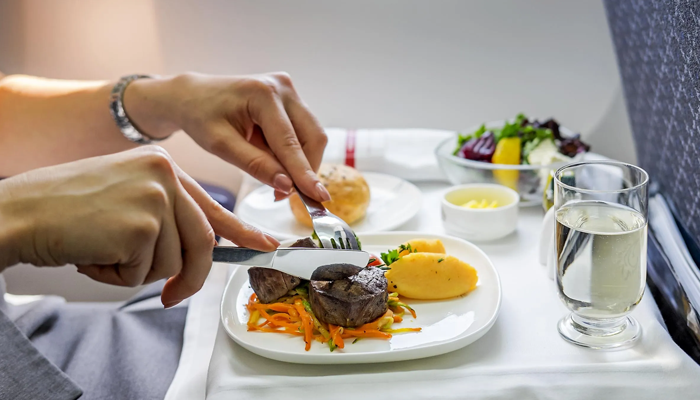
Passengers who book a Basic fare are not locked out of in-flight dining entirely. Meals can be pre-purchased up to 24 hours before departure, with options spanning Vegetarian, Non-Vegetarian, Jain, and Diabetic categories
This gives travelers greater control over their spending and travel experience. Rather than forcing everyone into the same package, airlines cn offer different levels of service to suit different budgets and expectations. For many passengers, flexibility has become just as important as comfort.
What This Means for Travelers
The biggest benefit of the Basic Fare is choice. Passengers who want the lowest possible fare can opt for a simpler travel experience, while those who value additional amenities can continue selecting higher-tier options. This approach allows travelers to match their ticket to their individual needs.
It may also make flying more accessible for budget-conscious passengers who are looking to reduce travel costs without sacrificing safety or reliability. The success of the new fare will ultimately depend on how customers respond.
A Sign of Things to Come?
Air India's decision may be part of a larger transformation taking place across the aviation sector. As competition grows and travelers become increasingly value-conscious, airlines are likely to continue experimenting with flexible pricing structures. The distinction between full-service and low-cost models may become less clear as carriers adopt strategies from both approaches.
The future of flying may be defined less by standard packages and more by personalized travel experiences.
Final Thoughts
Air India's new Basic Fare raises an interesting question: should passengers pay for services they may never use? By offering a lower-priced option without certain complimentary benefits, the airline is giving travelers more control over how they spend their money. Whether passengers choose the meal or the savings, the broader trend is clear, modern air travel is becoming increasingly focused on flexibility, customization, and choice.
For many travelers, that may be the most valuable service of all.
.webp)