Birthday Special: Netaji's Startup Mindset: How Subhash Chandra Bose Built the Azad Hind Government Like a Modern-Day Founder
- Devyani
- 8 months ago
- 4 minutes read
Netaji didn’t have a VC pitch deck or a LinkedIn profile, but make no mistake: this was the ultimate hustle.
It’s 2026, and we are obsessed with founders. We idolize the guys who sleep under their desks, the ones who pivot when the market crashes, the "visionaries" who convince strangers to bet their life savings on a dream that exists only on a napkin. But if you strip away the hoodies and the tech jargon, you realize something wild.
The greatest startup story in Indian history isn't about an app. It’s about an army.
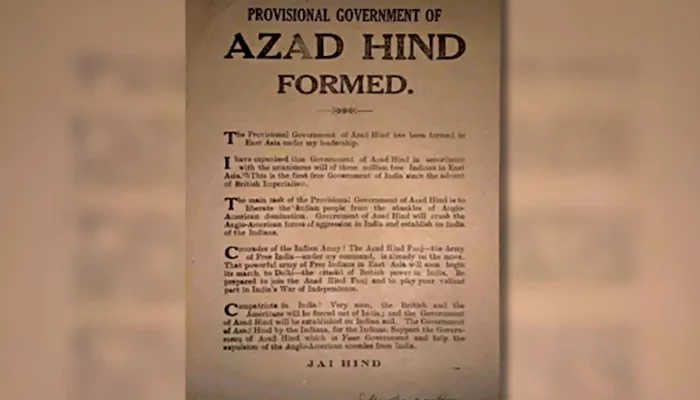
Subhash Chandra Bose, whose birthday we’re celebrating, wasn’t just a freedom fighter. If you look closely at the Azad Hind Government, you see a masterclass in modern entrepreneurship; he was building a unicorn in the middle of a world war, with zero safety net and the world’s biggest empire as his competition.
The Pivot to End All Pivots
Every founder knows the "pivot." It’s that terrifying moment when Plan A is dead in the water, and you have to reinvent everything or go bust.
For Bose, his "Plan A" was working within the Congress. It wasn’t scaling. The metrics weren't moving fast enough. So what did he do? He executed the most dangerous pivot of the 20th century. He escaped house arrest in Calcutta - literally slipping out in disguise - and went global.
He didn’t just change his location; he changed his entire business model. Instead of "negotiation," the new value proposition was "direct action." He went from a domestic political struggle to an international joint venture with the Axis powers. Controversial? Absolutely. But high-growth startups often are.
Crowdfunding Before Kickstarter
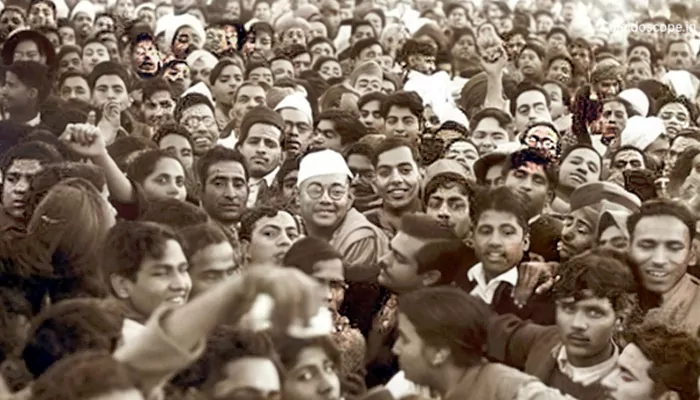
We talk about "bootstrapping" like it’s cool. Try bootstrapping an entire government in exile.
Bose didn’t have Sequoia Capital. He had the Indian diaspora in Southeast Asia. And his pitch was brutal. "Give me blood, and I shall give you freedom" is the ultimate Call to Action (CTA). It’s not "download my app"; it’s "invest your life."
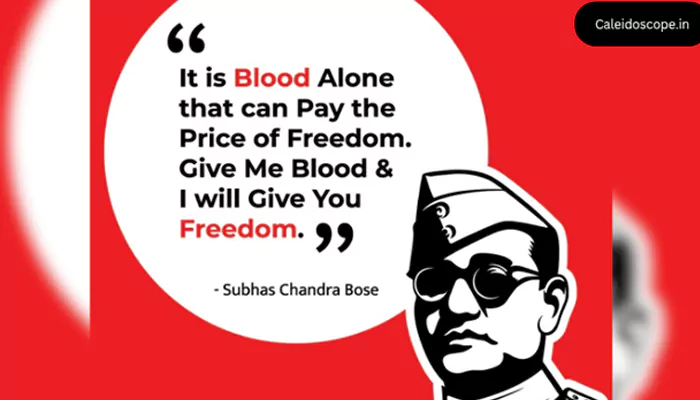
And it worked. The "Total Mobilisation" campaign was crowdfunding on steroids. He set up the Azad Hind Bank in Rangoon to manage the funds.
(@thebetterindia/Instagram)
We aren't just talking about cash. People were handing over their wedding jewelry, their land deeds, their life savings. One businessman in Rangoon, Abdul Habeeb Yusuf Marfani, donated his entire fortune - worth about 1 crore rupees back then.
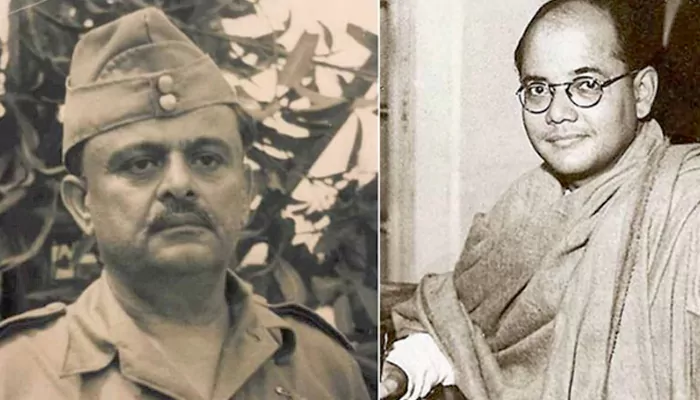
Abdul Habeeb Yusuf Marfani (left)
That’s not just a donation; that’s an exit strategy for a cause.
Diversity as a Growth Lever
In the 1940s, armies were boys' clubs. Exclusive. Rigid.
Bose looked at that and said, "We’re missing 50% of the talent pool."
(@history_of_modern_india/Instagram)
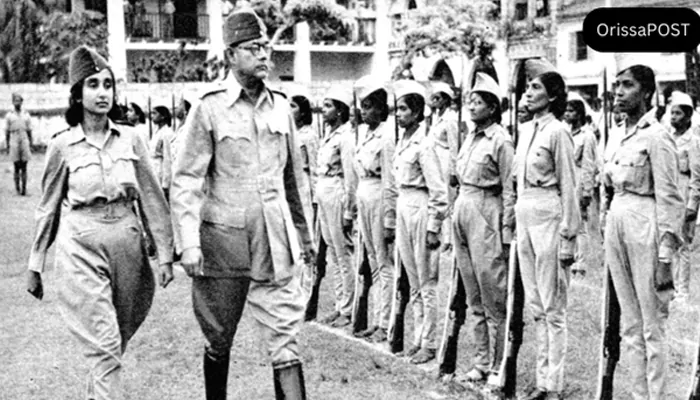
He launched the Rani of Jhansi Regiment. This wasn't a PR stunt or a "CSR initiative" to look good on a brochure. It was a fully combat-ready unit. He put Captain Lakshmi Swaminathan in charge and recruited women from rubber estates in Malaya who had never held a rifle.
(@history_of_modern_india/Instagram)
While the British army was debating whether women could handle desk jobs, Bose was sending them to the jungle warfare camps in Burma. He understood that to scale a movement, you can't gatekeep who gets to fight. You need everyone.
Branding That Sticks
Great founders are great storytellers. They simplify the complex.
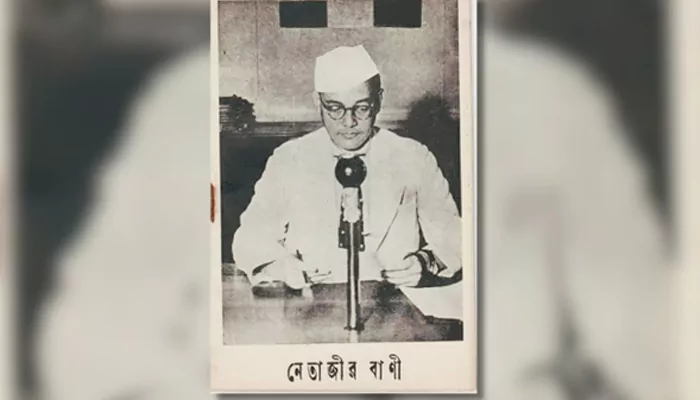
Netaji’s first broadcast over Azad Hind Radio
Bose was a genius at branding. The slogan "Jai Hind"? Short, punchy, viral. "Chalo Dilli"? A clear, measurable roadmap. He understood the power of media, too, setting up Azad Hind Radio - first in Germany, then Singapore - to bypass the mainstream media (the British press) and speak directly to his users (the Indian public). He was podcasting before the internet existed.
The Legacy
So when you hear "startup mindset" today, don’t just think of Silicon Valley. Think of the man who wore military fatigues instead of a black turtleneck.
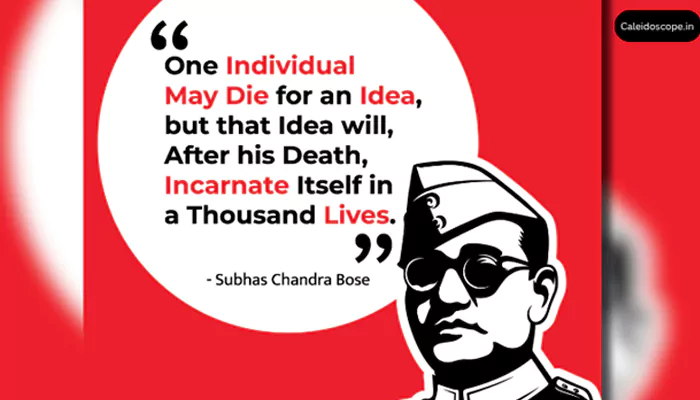
Netaji built an organization from scratch, secured international funding, disrupted the incumbent, and created a culture so strong that people were willing to die for it.
The Azad Hind Government might not have lasted forever - most startups don't - but the disruption it caused? That broke the Empire’s back. Happy Birthday to the OG disruptor, Netaji Subhash Chandra Bose!