Birthday Special: Irrfan's Jaipur Street Magic - How a Small-Town Boy Mastered Cricket Commentary Before Becoming Cinema's Deepest Voice
- Devyani
- 1 day ago
- 3 minutes read
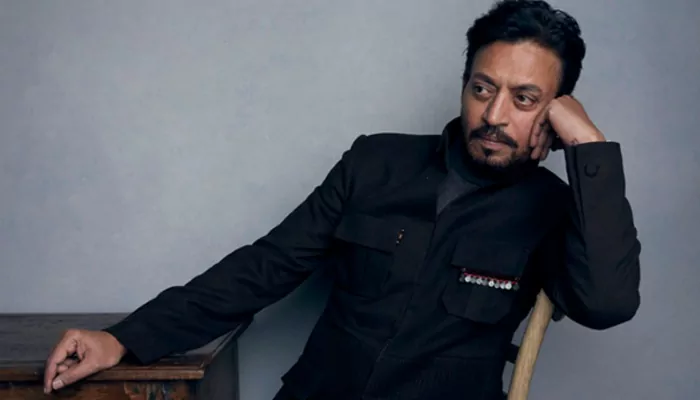
Long before he became cinema's quietest powerhouse, Jaipur’s Sahabzade was an all-rounder who found his voice on the pitch - and almost traded the camera for a cricket bat.
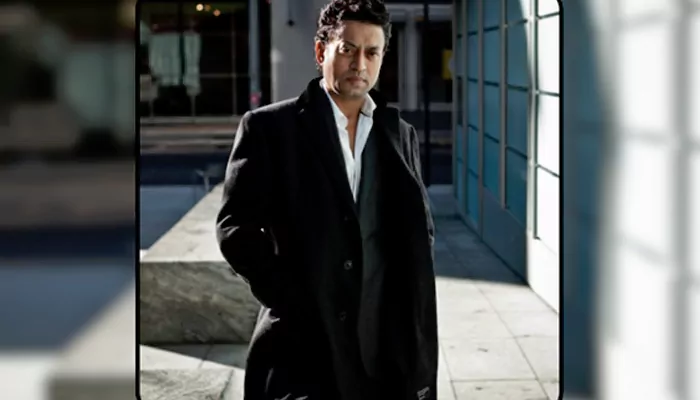
Before the world knew that soul-piercing gaze, Jaipur’s Subhash Chowk knew a lanky, shy boy who could bowl a wicked delivery. Irrfan Khan - born Sahabzade Irfan Ali Khan - didn't grow up dreaming of National Awards or Hollywood red carpets. He wanted the green of the cricket pitch. He was a promising all-rounder, the youngest in his Jaipur side, making waves on the dusty grounds of the National Institute of Ayurveda.
The ₹600 Crossroads
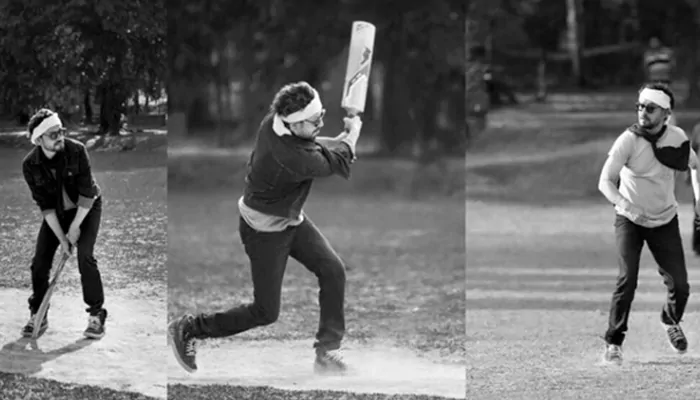
Irrfan Khan was selected for the CK Nayudu Trophy - the good ‘all-rounder’ who left cricket for acting.
By his early 20s, the dream felt real. He was selected for the CK Nayudu Trophy, the prestigious U-23 tournament that has launched international legends. But here’s the sting: it required a trip to Bombay and ₹600 for expenses. His family, running a modest tyre shop, simply didn't have it. In a moment of quiet, life-altering decision, he chose not to even ask. "I decided I cannot pursue it," he’d later recall, pivoting instead toward an Urdu course and, eventually, the National School of Drama - which cost half as much.
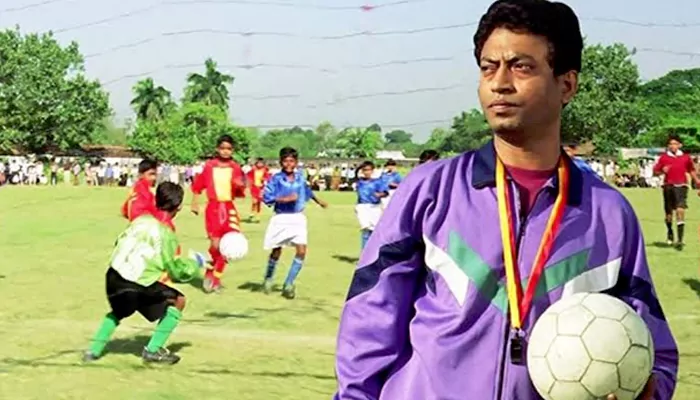
Still from Irrfan Khan’s stellar football drama ‘The Goal’.
I’ve often wondered if that fractured hand he got while chasing kites as a kid - a craze that never faded - added a certain "spin" to his bowling, and later, to his acting. He had this way of modulating his voice that felt like a perfectly timed commentary. Even as a teen, he wasn't just playing; he was observing the rhythm of the game, a skill that later made his dialogue delivery feel like a slow-burn thriller.
Jaipur’s Echo in Hollywood
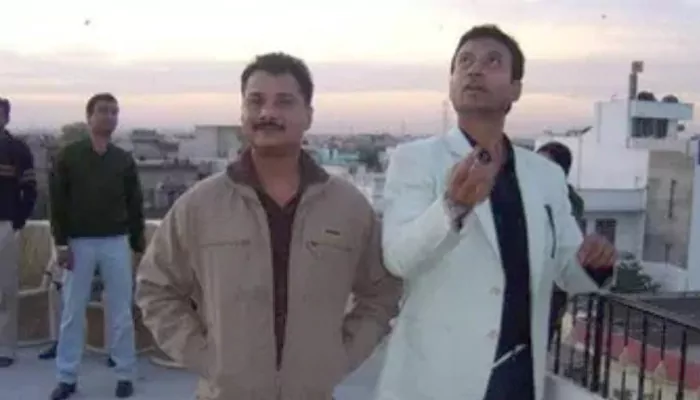
Irrfan flying a kite in Jaipur along with his friend Zaidi. (Credit: The Wire)
Perhaps the most "Irrfan" thing about him was that he never truly left the thadis (tea stalls) of Jaipur behind. Even as a global icon, he’d cycle to Amer Fort or Nahargarh after 10 PM, avoiding five-star luxuries for a simple cup of tea at a local stall. He liked the city exactly as it was when he left it.
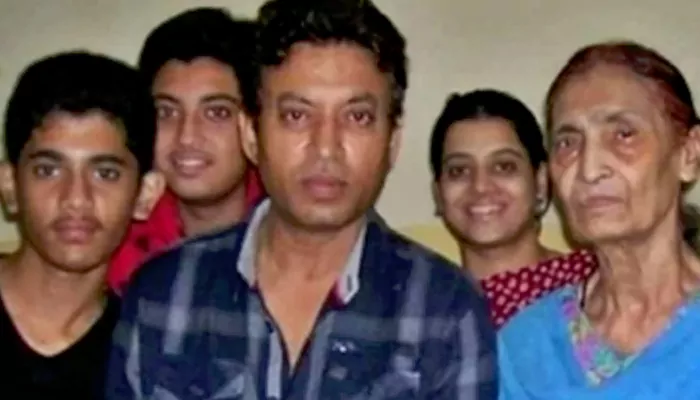
Irrfan with his mother Saeeda Begum and his siblings. (Credit: The Wire)
His mother wanted him to be a lecturer, but destiny wanted him to be the voice of the unheard. Whether he lent his deep, gravelly tone to the war memorial at Jaipur’s Vidhan Sabha Road or inhabited a Shakespearean mercenary, that small-town grit remained. He mastered the art of "doing less," a technique likely honed from hours of waiting for the right ball to hit.
The Legacy of the All-Rounder
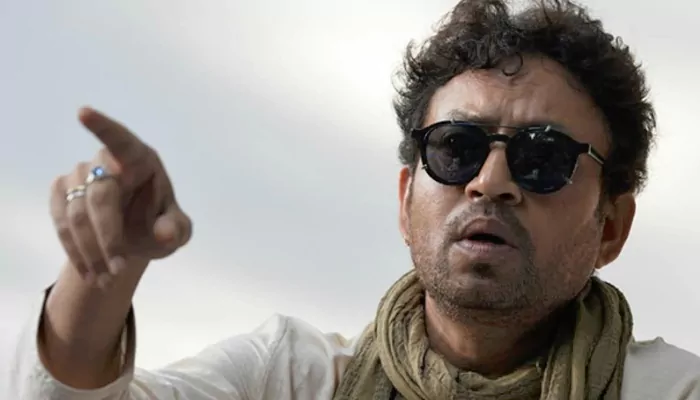
He treated acting like a sport - disciplined, technical, but ultimately soulful. He sidestepped Bollywood’s loud, formulaic tropes, choosing instead the subtleties of Maqbool and The Lunchbox. It’s a bit of a tragedy that we never saw him in a cricket biopic, isn't it? He had the stance, the history, and most importantly, the silence.
As we remember him today, we aren't just celebrating a movie star. We’re celebrating the boy who couldn't afford a train ticket to Bombay but ended up ruling the world anyway. He proved that sometimes, the deepest voices are the ones that start as a whisper on a Jaipur street.