In Memoriam of Saadat Hasan Manto: How his 'Thanda Gosht' Gave Bollywood Its First Grey Female Leads Long Before Gangubai Kathiawadi
- Devyani
- 3 months ago
- 3 minutes read
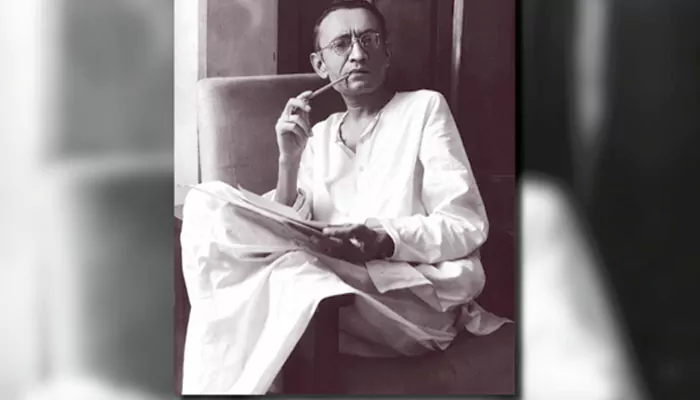
Before Sanjay Leela Bhansali handed us Alia Bhatt in a chiffon saree, Manto was already writing about women who stabbed, seduced, and defied - then faced the courts for it.
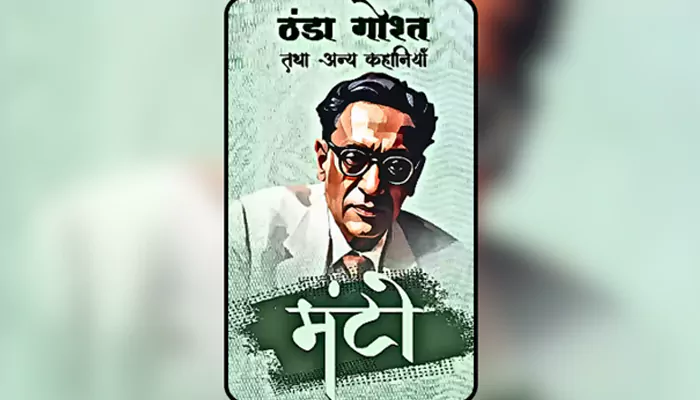
Imagine it's January 1948, Bombay - Mahatma Gandhi has just been shot, the nation's bleeding, and a writer sits down with a dagger, a dying man, and a woman named Kulwant who refuses to be anyone's victim. That story? Thanda Gosht. “Cold Flesh”. Published in March 1950, it landed Saadat Hasan Manto in court on obscenity charges. But what actually scandalized the censors wasn't just the violence or the affair - it was Kulwant herself, a woman with agency, jealousy, and a willingness to stab her lover when he couldn't perform.
The Woman They Couldn't Censor
Here's the thing nobody talks about: Manto wrote defiant women a full 70 years before Gangubai Kathiawadi became a talking point. Kulwant isn't sympathetic. She's not tragic. She's formidable - with a "sturdy build," "razor-sharp eyes," and a "steely grey dust of hair" above her lip. She's a mistress. She's jealous. She kills. And Manto presents her without apology or moral scaffolding.
Nawazuddin Siddiqui as Manto in Nandita Das’ film of the same name. Manto here is seen in the court defending his book ‘Thanda Gosht’
(@gilaatolia/Instagram)
When the 2018 film Manto (directed by Nandita Das) adapted “Thanda Gosht’, it wasn't just celebrating the story; it was vindicating what Manto had always known: women in his stories are "defiant, strong-willed, and self-determined". They're not margins. They're centers.
The Partition Lens - Women as Unseen Witnesses
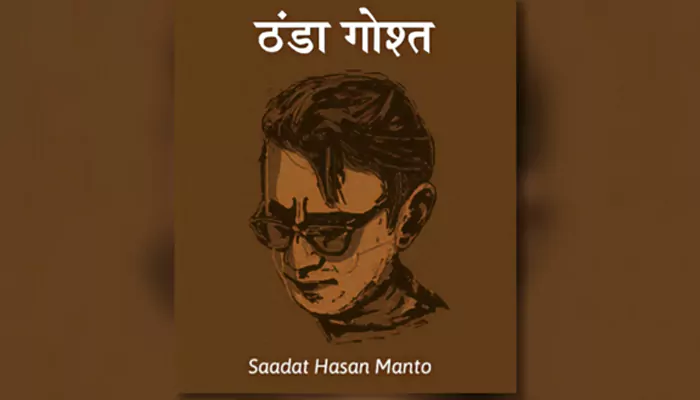
What “Thanda Gosht’ really does is weaponize the backdrop of Partition. The unnamed assaulted Muslim girl, dead before she's even introduced, becomes a synecdoche for the unspeakable violence visited on women during 1947. But she's not the story's focus. The focus is Kulwant - a Sikh woman navigating a Hindu man's trauma, his infidelity, his cowardice masquerading as confession.
I believe this is where Manto anticipated something modern cinema is only now catching up to: a woman's story doesn't need redemption or victimhood to be compelling. It needs complexity. Kulwant has agency in her betrayal, her rage, her murder.
Grey Before Grey Was Fashionable
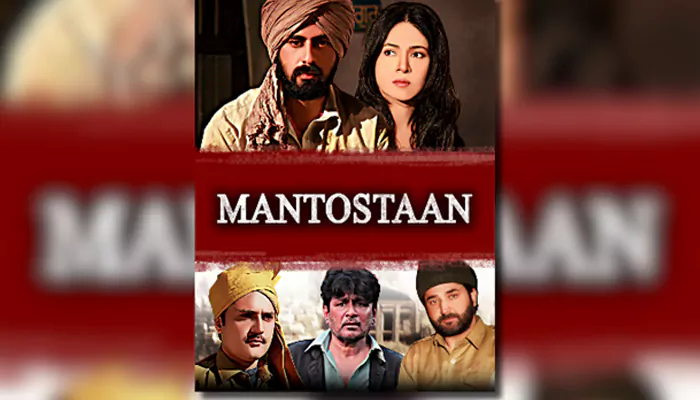
Flash forward to 2017's Mantostaan, which adapted four Manto stories (including Thanda Gosht). The film barely made a dent at the box office, yet it quietly preserved something radical: women who don't fit narrative arcs, who defy categorization. Sonal Sehgal's Kulwant wasn't a victim waiting to be saved; she was a woman who made a choice, savage as it was.
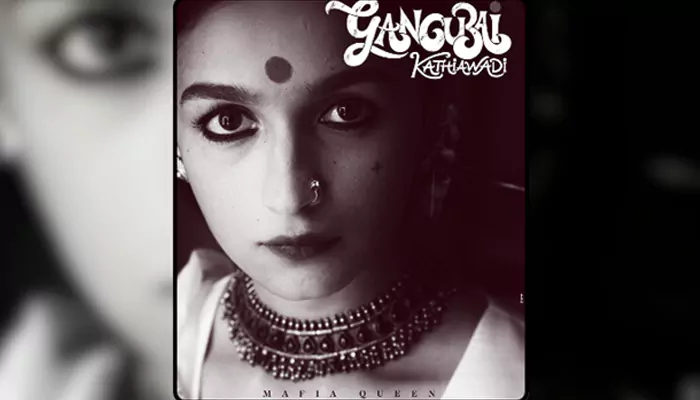
Then comes Gangubai, wrapped in the aesthetics of redemption and empowerment. Manto's women never wanted redemption. They wanted existence - messy, uncomfortable, unjudged.
The Legacy Nobody Mentions
What Manto did wasn't just literature - it was archival resistance. He wrote women as they were: victims and lovers, killers and scorned mistresses, alive and dead simultaneously. He made the courts try him for it. And 75 years later, we're still calling women like Kulwant "ahead of their time.”
Perhaps it's simpler than that: she was always on time. We're just now learning to look.