
Seasonal Hair Fall in February: Normal Shedding or Red Flag?
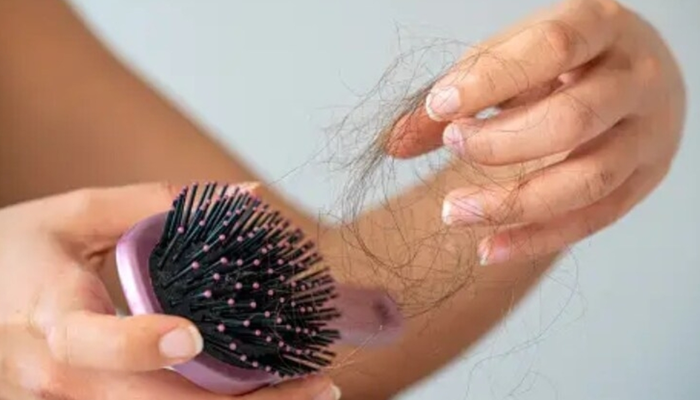
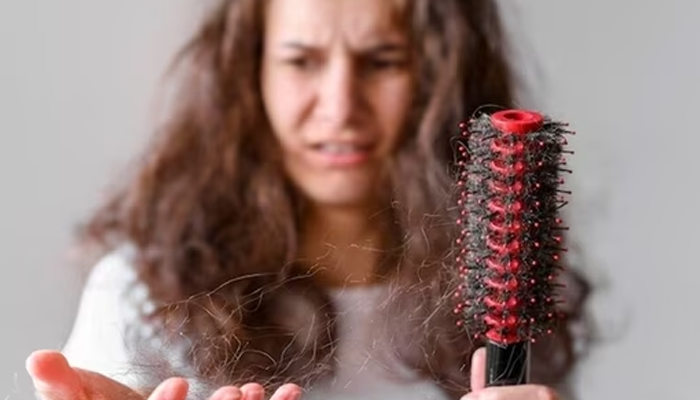
If you’ve been noticing more hair strands on your pillow, comb, or shower drain this February, you’re not alone.
Across India, many people experience increased hair fall during late winter and early seasonal transition. But before you panic and blame your shampoo, let’s understand what’s really happening.
Is it normal seasonal shedding? Or a sign you should pay attention to?
Let’s break it down.
Seasonal Transition: The Silent Trigger
February in India marks the shift from winter to early summer. Temperatures fluctuate, humidity levels begin to change, and daylight hours increase.
These environmental changes impact your scalp and hair cycle.
Hair grows in phases:
- Growth phase (Anagen)
- Resting phase (Telogen)
- Shedding phase (Exogen)
Seasonal transitions can push more hair follicles into the shedding phase at the same time. This leads to noticeable hair fall.
It’s temporary, but it feels dramatic.
Winter Damage Shows Up Late
During winter months, your scalp experiences:
- Dry air
- Reduced moisture
- Hot showers
Increased use of heating appliances
These factors weaken hair strands slowly. By February, the accumulated dryness starts showing results, increased breakage and fall.
It’s not sudden damage. It’s delayed impact.
Dehydration & Scalp Health
As winter ends, many people unintentionally reduce water intake because the weather still feels pleasant.
But dehydration affects:
- Scalp circulation
- Hair shaft strength
- Overall hair texture
A dry scalp can cause itching and flaking, which may weaken hair roots over time.
Healthy hair begins with a hydrated body and scalp.
Pollution and Environmental Stress
In many Indian cities, pollution levels fluctuate during seasonal change.
Pollution particles can clog hair follicles, irritate the scalp, and weaken hair roots.
If you’re commuting daily in metro cities, your hair may be exposed to:
- Dust
- Smoke
- Dry winds
Without proper cleansing and scalp care, this stress can contribute to hair fall.
Stress & Lifestyle Factors
February is often busy exams, financial year-end stress, work targets.
Stress increases cortisol levels, which can trigger temporary hair shedding.
If you combine:
- Irregular sleep
- Poor nutrition
- Increased screen time
- Stress
Hair fall may intensify.
Your hair reflects your lifestyle more than you think.
Nutritional Gaps
Late winter diets sometimes lack fresh seasonal fruits and vegetables.
Deficiencies in:
- Iron
- Vitamin D
- Protein
- Vitamin B12
Can weaken hair roots.
If your meals are heavy but low in nutrients, hair health may suffer.
So, How Much Hair Fall Is Normal?
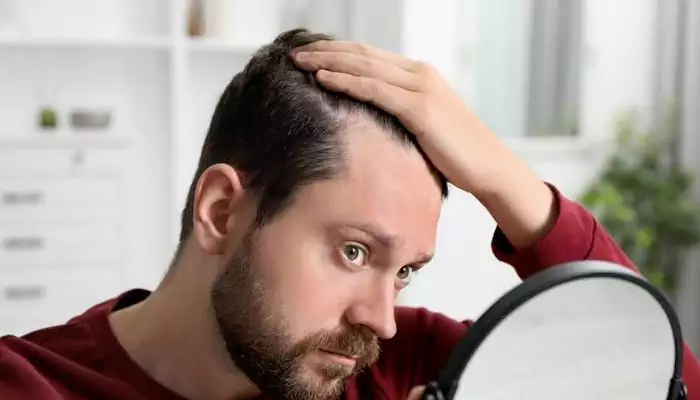
Losing 50–100 strands per day is considered normal.
During seasonal shedding, this number may temporarily increase slightly.
But don’t just count strands observe patterns.
When Should You Worry?
Hair fall needs medical attention if you notice:
Sudden excessive shedding for more than 6-8 weeks
- Visible thinning patches
- Receding hairline progressing rapidly
- Scalp pain or inflammation
- Clumps of hair falling out
If your hair density is visibly reducing, consult a dermatologist.
Seasonal shedding is temporary. Progressive thinning is not.
How to Manage February Hair Fall
Here’s what you can do:
- Hydrate Properly
Drink adequate water daily.
- Oil Gently
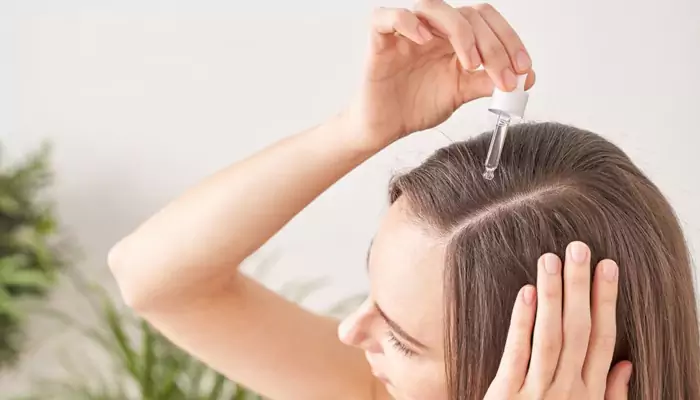
Light scalp massage with coconut or almond oil once or twice a week improves circulation.
- Avoid Hot Water
Use lukewarm water to protect scalp moisture.
- Eat Balanced Meals
Include:
- Leafy greens
- Lentils
- Eggs or protein-rich foods
- Seasonal fruits
- Reduce Heat Styling
Frequent straightening or blow-drying worsens breakage.
- Manage Stress
Yoga, walking, or meditation can help regulate stress hormones.
The Reassuring Truth
Seasonal hair fall in February is common. It doesn’t mean you’re going bald.
Hair has its own natural rhythm, just like seasons.
With proper care, shedding reduces within a few weeks as your body adjusts to temperature and environmental changes.
Final Thoughts
Before you switch products or try drastic treatments, pause. Most February hair fall is temporary and seasonal. But staying aware helps you act early if something unusual appears. Healthy hair isn’t built overnight, it’s maintained daily.
So this February, instead of worrying about every strand, focus on strengthening your roots, inside and out. Because sometimes, falling is just part of growing stronger.
.webp)
.WEBP)