
Remembering Lal Bahadur Shastri : How The PM's Green-White Revolution Made India a Global Agri Power
- Soham Halder
- 8 months ago
- 3 minutes read
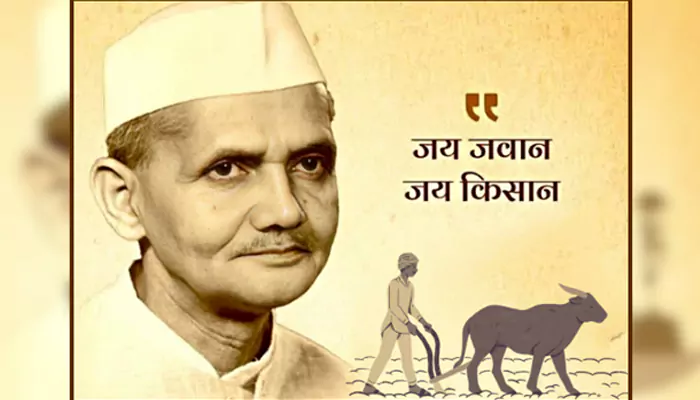
He was a man of small stature but massive strides, who traded American wheat for Indian sweat and made "Jai Jawan, Jai Kisan" the heartbeat of a hungry nation.
When Lal Bahadur Shastri took the helm in 1964, India was (to put it bluntly) starving. We were surviving on shipments of American wheat that felt more like a leash than a lifeline. But instead of just signing more import deals, Shastri looked at the cracked earth of our own farms and the silent hum of our dairies. He saw a revolution waiting for a leader who wasn't afraid to ask for a sacrifice.
The Green Gamble
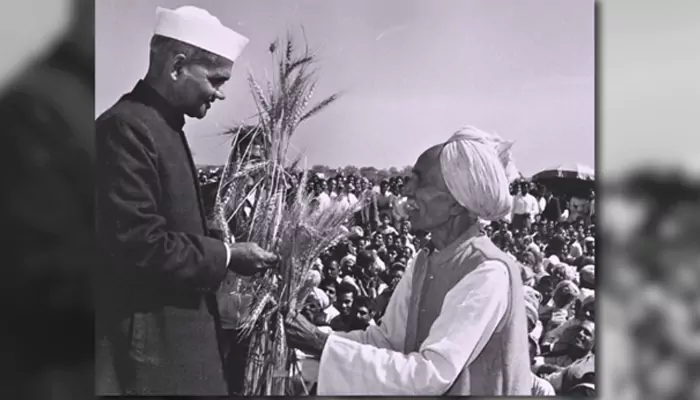
The Green Revolution wasn't just a policy; it was a desperate, bold pivot. Shastri backed scientific farming when it was still considered a "Western" toy. He championed high-yield seeds and fertilizer subsidies, effectively turning the tide against the chronic grain shortages of the early 60s. I think the most telling moment of his leadership was when he urged every Indian to skip a meal once a week - not as a gimmick, but as a genuine act of solidarity so the poorest wouldn't go to bed hungry.
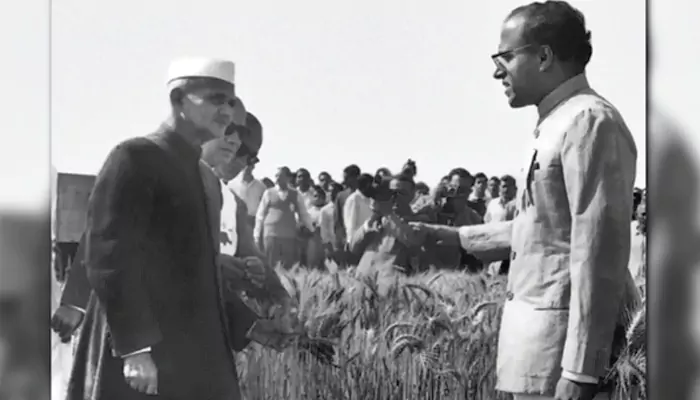
Lal Bahadur Shashtri in discussion with an agricultural expert
Perhaps the most stinging irony of his time was that he led a hungry nation to victory in the 1965 war while simultaneously battling a drought. By setting up the Food Corporation of India (FCI) and the Commission for Agricultural Costs and Prices (CACP), he ensured that the farmer wasn't just a victim of the monsoon, but a partner in the nation's survival.
The Milky Way: White Revolution
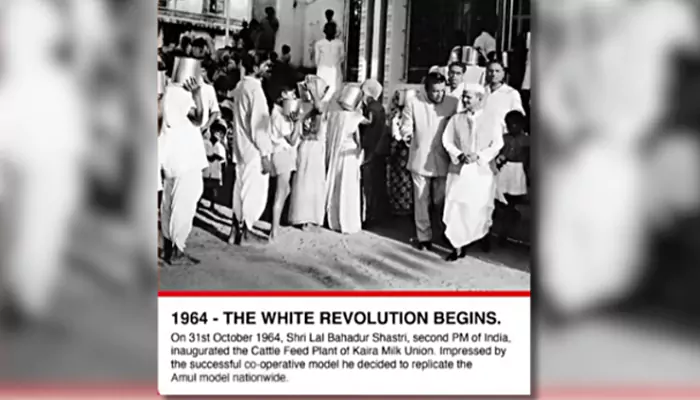
Shri Lal Bahadur Shastri (on extreme right side)
Then there’s the milk. While the fields were turning green, Shastri was busy making the nation "White." After a visit to Anand, Gujarat, in 1964, he was so impressed by the cooperative model that he practically forced the creation of the National Dairy Development Board (NDDB). He backed Dr. Verghese Kurien with a simple mandate: "Scale this up".
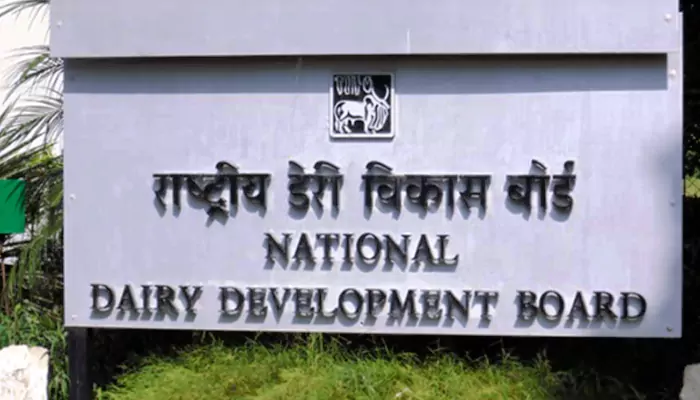
Honestly, it’s a bit of a tragedy that his eighteen-month tenure was cut short in the snowy mystery of Tashkent on January 11, 1966. Yet, in those few months, he did more for India's self-reliance than many do in a decade. He turned us from a "grain-deficit" country into the world's largest milk producer.
A Legacy in Every Grain
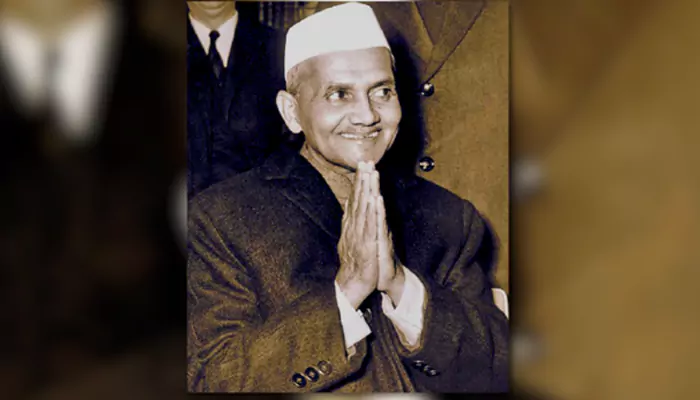
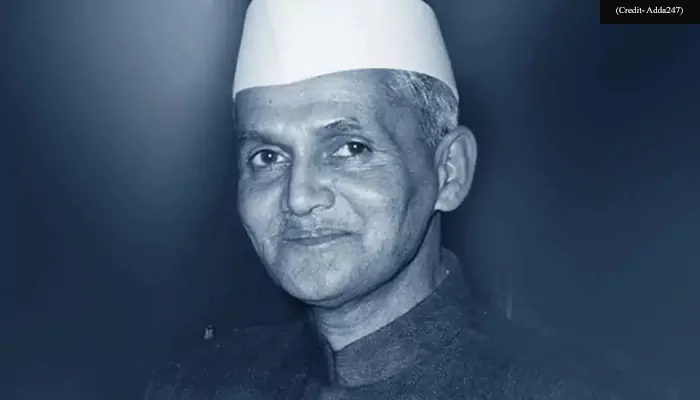
As we mark his 60th death anniversary this today, we aren't just remembering a soft-spoken politician. We’re remembering the man who gave the Indian farmer a voice and a price. He proved that power isn't about the size of your desk, but the depth of your resolve.
From the wheat fields of Punjab to the dairy co-ops of Amul, Lal Bahadur Shastri’s ghost still patrols the silos - a silent guardian of India's dinner plate.

.webp)


