RD Burman Death Anniversary: How He Turned Everyday Noise Into Musical Gold
- Soham Halder
- 2 days ago
- 5 minutes read
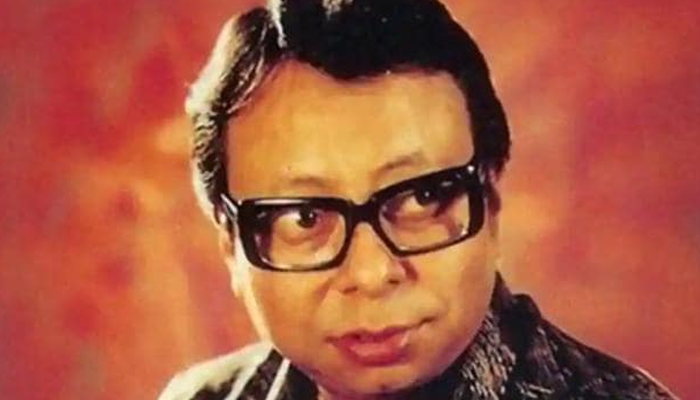
The Man Who Heard Music In The Unthinkable.
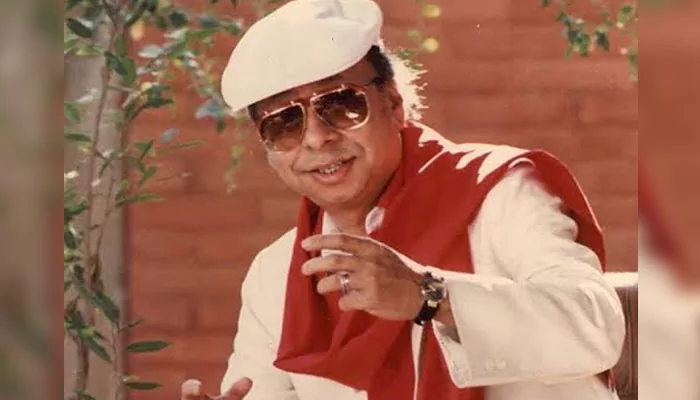
Rahul Dev Burman, fondly known as RD Burman or Pancham da, was not just a composer. He was a sound architect who heard music where no one else did. On his death anniversary, music lovers remember not only his melodies but his remarkable ability to turn the weirdest, most ordinary sound sources into unforgettable music.
Long before experimental music became trendy, Burman infused Bollywood soundtracks with unconventional sounds: bottles, chains, everyday clatter, industrial noise, and more. These sonic experiments weren’t gimmicks, they were expressions of an unmatched creative vision.
Let’s dive into how RD Burman turned noise into magic, celebrating the genius behind the beats.
The Bottle Symphony: “Mehbooba Mehbooba” (Sholay, 1975)
Perhaps the most iconic example of Burman’s experimental sound design is “Mehbooba Mehbooba”. The rhythmic clinks and percussive elements weren’t all instruments, much of the groove came from wine bottle tapping and improvised percussion.
The result launched an era of Bollywood beats that didn’t just support the music they defined it. The song remains a staple at parties and playlists decades later.
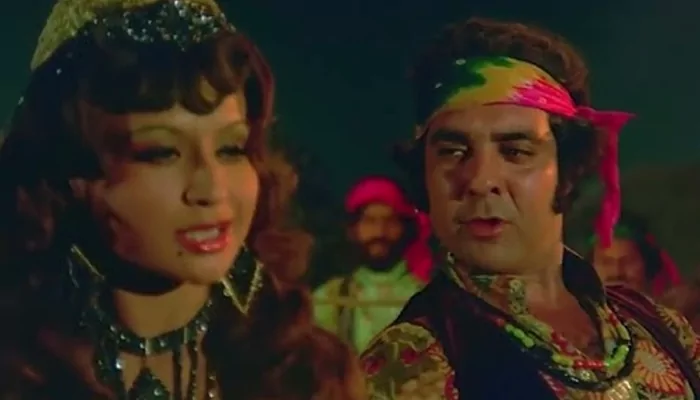
Why it worked: Burman turned found sounds into infectious rhythm, proving that music doesn’t need perfection to make people move.
Chains and Bells: “Dum Maro Dum” (Hare Rama Hare Krishna, 1971)
“Dum Maro Dum” is remembered for its hypnotic groove. Beneath the famous bassline, RD Burman used chains, bells, and percussive textures to give the track a raw, psychedelic quality that was unlike anything Bollywood had heard before.
He didn’t just compose, he sculpted sound, blending Western influences with Indian sensibilities. The result wasn’t experimental for its own sake; it was intentionally evocative.
Legacy: Many EDM and world music producers today cite this track as early inspiration for blending ethnic soundscapes with psychedelic arrangements.
Knocking and Clanking: “Jaan Pehechaan Ho” (Gumnaam, 1965)
This cult favourite features energetic vocals and funky brass, but also something deeper: unorthodox percussion that sounds almost like knocks and metal clanks woven into the rhythm.
Burman used everyday objects, not just drums and shakers to create a textured sonic landscape. The result was a track that felt alive and kinetic, a feeling that music shooters and dancers still chase.
Fun fact: The song resurfaced internationally decades later in Western pop culture, including TV and film use, largely because of its infectious and unpredictable groove.
Machine Chatter as Melody: “Bachna Ae Haseeno” (Hum Kisise Kum Naheen, 1977)
The opening of “Bachna Ae Haseeno” features rhythmic sequences that feel almost mechanical like machinery talk. Burman loved integrating non-traditional sound into structured music, and this track is a top example.
That industrial vibe wasn’t random. It was an artistic choice, a soundscape that matched the energetic spirit of the song and the film’s youthful exuberance.
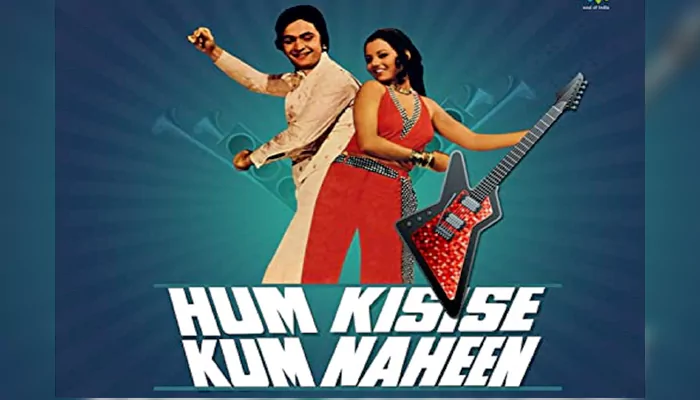
Why it stands out: It shows how sound can set mood before melody even begins.
Clinks, Scratches, and Claps: RD’s Percussive Play
Beyond specific tracks, RD Burman’s overall approach to rhythm was unique. He frequently combined:
- Claps in patterns that mimic heartbeats
- Scratches and clicks that feel like conversation
- Ambience that sounds like city life woven into music
He wasn’t just scoring songs, he was adding life and texture.
Why RD Burman’s Sound Experiments Still Matter
He Listened Differently
Burman didn’t see musical sources as limited to instruments. He heard possibilities everywhere, bottles, car doors, footsteps, clink of metal and turned them into rhythm
He Made Music That Felt Physical
His songs don’t just play, they hit. You can feel the beat, the space, the layers. Whether it’s a party lift (“Mehbooba”) or a mood piece, the sound is tactile.
He Influenced Generations
Artists today, from film composers to indie musicians, acknowledge RD Burman’s legacy in making music that’s textural, bold, and unafraid to experiment.
A Sonic Legacy That Transcends Time
On RD Burman’s death anniversary, the music community doesn’t just remember the melodies, it remembers the sound architecture. Burman taught us that sound isn’t restricted to notes on a scale. It’s:
- Found in life’s noise
- Shaped by curiosity
- Transformed by imagination
When you hear a bottle tapped rhythmically, or a metal clang woven into a beat, it isn’t random, it’s a tribute to a composer who heard the world as his orchestra.
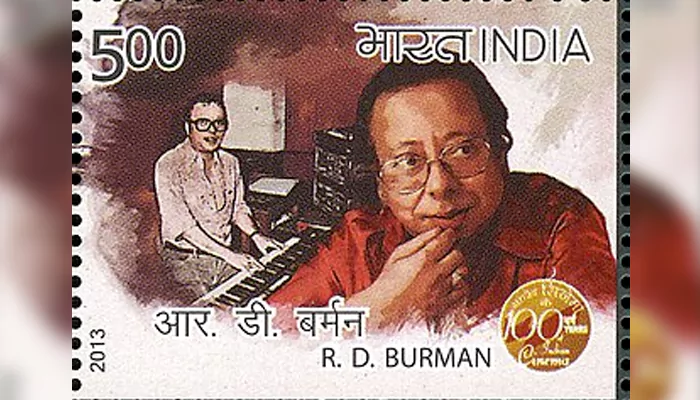
RD Burman didn’t just make songs; he expanded the language of music.
And that’s why decades later, when those beats hit our ears, they feel fresh, because they were never just songs. They were sound revolutions.
RD Burman remains one of the most inventive composers in Indian cinema history. On his death anniversary, his music still teaches artists and listeners alike that creativity thrives in unexpected places. He didn’t just compose music, he listened to the world differently.
From bottles to beats, from clanks to classics, his enduring genius reminds us that constraint can be creativity’s greatest ally and that sometimes the weirdest sounds make the most unforgettable music.