India’s Healthcare Push Is Now Focusing on the ‘Last Mile’, Why That Matters to Ordinary Families
- Soham Halder
- 1 month ago
- 4 minutes read
Healthcare Is Often Decided Long Before a Hospital Visit!
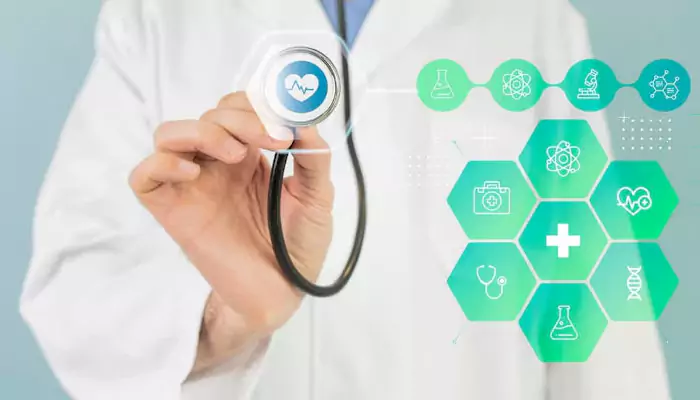
For millions of Indians, healthcare does not begin in a large private hospital. It begins much closer to home, with an ASHA worker visiting a village, a nurse at a local health centre, or a frontline health worker guiding a pregnant mother or elderly patient.
In many parts of India, these frontline workers become the first and sometimes only point of medical support for ordinary families.
Now, the government is trying to strengthen this critical “last mile” of healthcare delivery through a newly launched integrated training framework aimed at improving the skills of India’s frontline healthcare workforce.
India Launches a New Frontline Healthcare Training Framework
Union Health Minister J. P. Nadda recently launched an integrated training framework designed to strengthen the capabilities of frontline healthcare workers across the country.
The initiative focuses on workers involved in:
- primary healthcare
- maternal and child care
- vaccination programmes
- disease prevention
- rural health services
The framework aims to standardise and improve training for ASHA workers, ANMs (Auxiliary Nurse Midwives), and community healthcare officers using digital platforms and structured learning systems.
According to the government, the goal is to create a more prepared and responsive healthcare network at the grassroots level.
Why Ordinary Families Should Care
For many families living in villages, small towns, and even urban outskirts, frontline healthcare workers play a major role during emergencies and daily health needs.
They are often the people who:
- guide vaccination drives
- identify health complications early
- assist pregnant women
- spread awareness during disease outbreaks
- help patients reach hospitals on time
When these workers are better trained, families may receive:
- faster medical guidance
- earlier diagnosis
- improved preventive care
- better follow-up support
This becomes especially important in areas where access to specialist doctors or advanced hospitals remains limited.
Why the ‘Last Mile’ Is So Important
India’s healthcare system often faces pressure from overcrowded hospitals and unequal access between cities and rural areas. Health experts believe stronger community-level healthcare can reduce that burden significantly.
If local healthcare workers can identify symptoms earlier, educate families properly, and respond quickly during emergencies, serious complications may be prevented before hospitalisation becomes necessary.
This approach became particularly important after the COVID-19 pandemic, when frontline workers played a major role in:
- awareness campaigns
- vaccination efforts
- local patient monitoring
- community support systems
The government now appears to be investing more heavily in strengthening this first layer of healthcare access.
What Could Improve for Patients
If implemented effectively, the new training framework could gradually improve several everyday healthcare experiences for families:
- better maternal and newborn care
- improved vaccination awareness
- quicker identification of infectious diseases
- stronger rural healthcare response
- better communication between patients and healthcare systems
Digital training systems may also help workers stay updated more regularly instead of relying only on occasional workshops.
Challenges Still Remain
Despite the announcement, experts say challenges such as staff shortages, infrastructure gaps, workload pressure, and uneven healthcare access still need long-term solutions.
Many frontline workers also continue to face:
- heavy responsibilities
- low resources
- difficult working conditions
- limited support systems
The success of the programme will likely depend on how consistently training, funding, and local implementation are maintained.
Better Healthcare Often Begins Closer to Home
For ordinary families, healthcare is not only about advanced hospitals in big cities. Sometimes, it depends on whether help reaches them at the right time in their own neighbourhood or village. India’s latest healthcare push signals an important shift: improving the people who stand at the very first point of medical care.
And for millions of families, that “last mile” could eventually become the difference between delayed treatment and timely help.