In Memoriam: Parveen Babi; The Tragic Tale of Bollywood's First Star to Appear on Time Magazine
- Soham Halder
- 1 month ago
- 4 minutes read
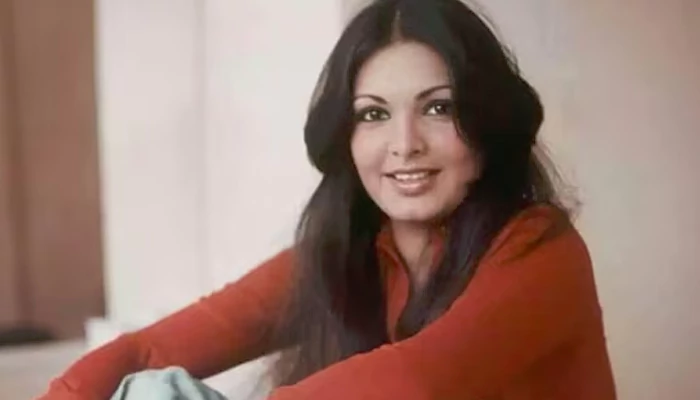
Parveen Babi: Glamour, Grit, and a Loneliness the World Missed!
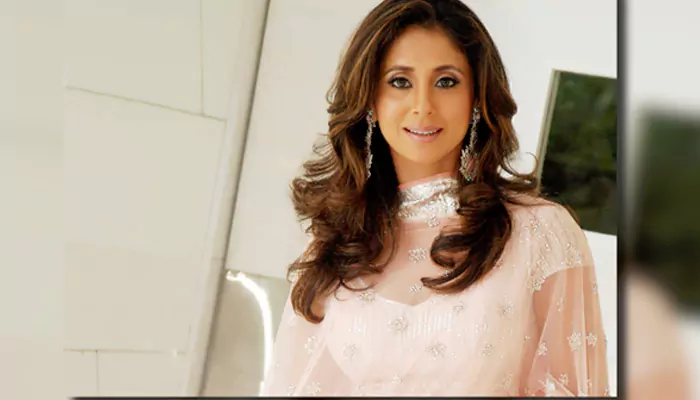
Long before Indian cinema became global buzz, Parveen Babi had already arrived on the world stage. In 1976, she made history by becoming the first Bollywood actor to appear on the cover of Time magazine, a moment of pride for Indian cinema.
Yet, behind the glamorous photographs and trailblazing fame lay a deeply tragic story. Parveen Babi’s life was not just about success and style; it was also about isolation, misunderstood mental health, and a society unprepared to support someone so far ahead of her time.
Today, we remember her, not just as a star, but as a woman whose story still holds uncomfortable truths.
A Star Unlike Any Other
Parveen Babi entered Bollywood when heroines were largely expected to fit a specific mould. She shattered it instantly.
Tall, confident, English-speaking, and unapologetically modern, she brought a Western sensibility with Indian grace. Her screen presence was magnetic, whether she was playing the glamorous love interest or a layered, emotionally complex character.
In films like Deewar, Namak Halaal, Amar Akbar Anthony, and Shaan, Parveen didn’t just complement the hero, she stood her ground.
She wasn’t trying to fit in. She was redefining the space.
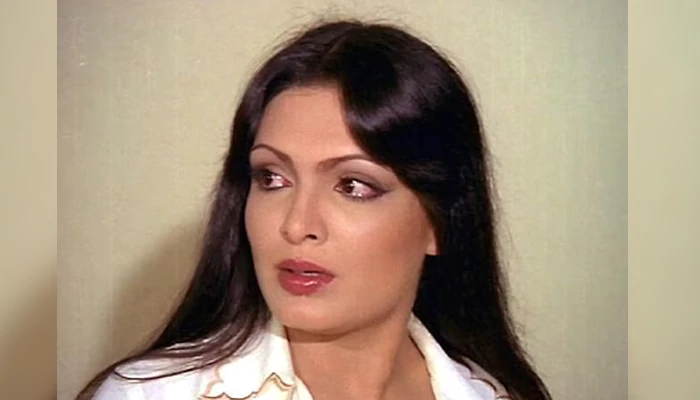
The Time Magazine Moment That Changed Everything
Appearing on Time magazine was more than personal success. It symbolised India’s cultural arrival on a global platform. Parveen represented a new Indian woman, confident, independent, and modern.
International media praised her elegance and intelligence. At home, she became a fashion icon overnight. Her bold choices, Western outfits, and effortless glamour influenced an entire generation of women.
But fame, as history often proves, can be a double-edged sword.
The Price of Being Too Modern
While Parveen Babi’s public image was glamorous, her personal life was increasingly complicated. In an era when mental health was barely acknowledged, her struggles were misunderstood, dismissed, or sensationalised.
Instead of compassion, she faced whispers. Instead of help, she faced judgement.
Her openness about her fears and beliefs made headlines, but few stopped to ask what she truly needed. The industry that once celebrated her success slowly distanced itself from her vulnerability.
Loneliness Behind Closed Doors
As years passed, Parveen withdrew from films and public life. The applause faded, replaced by silence. The woman who once graced magazine covers and movie posters lived her later years in near-complete isolation.
Her death in 2005 shocked the nation, not just because she had passed away, but because no one noticed for days.
It forced India to confront a painful question: how does a country that worships its stars forget one so completely?
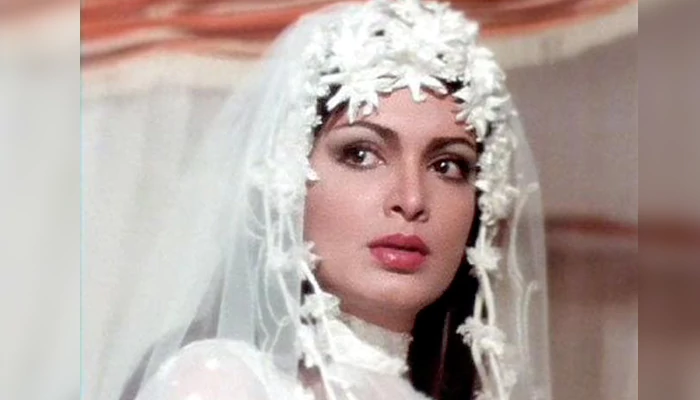
A Legacy That Deserved Better
Today, Parveen Babi’s story is often told as a cautionary tale, but it deserves to be remembered as something more. She was a pioneer, a woman who dared to live differently in a conservative time.
She paved the way for modern heroines, global recognition, and bold individuality in Indian cinema. The confidence seen in today’s leading actresses didn’t appear overnight, it was built on the courage of women like Parveen.
Her tragedy was not her illness. It was society’s inability to understand it.
Why Parveen Babi’s Story Still Matters
In today’s conversations around mental health awareness, celebrity pressure, and loneliness, Parveen Babi’s life feels heartbreakingly relevant.
She reminds us that glamour does not guarantee happiness. That success does not replace support. And that being ahead of your time can be incredibly lonely.
Remembering her is not just an act of nostalgia, it is a responsibility.
Remembering the Woman Behind the Icon
Parveen Babi wasn’t just a star who appeared on Time magazine. She was a woman who challenged norms, embraced modernity, and paid a heavy personal price for it.
In remembering her today, we owe her more than admiration, we owe her empathy.
She deserved understanding. She deserved care. And above all, she deserved not to be forgotten.