
Happy Birthday Chetan Bhagat: The Writer Who Made Reading Cool for Young India
- Soham Halder
- 5 months ago
- 3 minutes read

From Campuses to Bookshelves: How Chetan Bhagat Changed Young India’s Reading Habits!
At a time when reading was often seen as a niche habit, Chetan Bhagat changed the game entirely. With his simple language, relatable characters, and fast-paced storytelling, he turned books into a popular choice among young Indians.
On his birthday, it’s worth celebrating how one writer managed to make reading not just accessible, but genuinely “cool” for an entire generation.
A New Voice for Young India
Before Chetan Bhagat entered the literary scene, English novels in India were often perceived as complex or elitist.
Bhagat broke this stereotype by writing in a conversational tone that felt natural and easy to understand. His stories reflected real-life situations college pressure, relationships, career confusion, making readers feel seen and heard.
For many young Indians, his books became their first introduction to reading.
Stories That Felt Personal
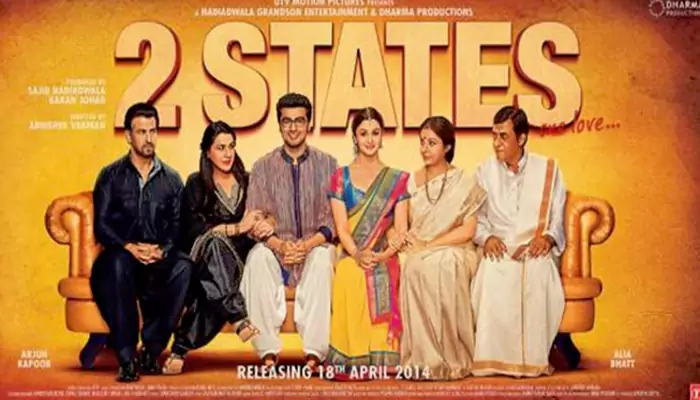
What set Bhagat apart was his ability to connect emotionally with readers. Books like Five Point Someone and 2 States resonated because they mirrored everyday experiences. His characters were not superheroes, they were students, professionals, and dreamers navigating life’s challenges.
This relatability made his stories addictive and engaging.
Breaking the “Reading is Boring” Myth
For years, reading was often associated with academics or serious literature. Chetan Bhagat changed that perception by making storytelling fun, light, and fast-paced. His books didn’t demand effort, they invited readers in.
College campuses, cafes, and even local trains saw a rise in young people reading his novels, turning books into a lifestyle choice rather than a chore.
Bridging Literature and Pop Culture
Bhagat’s influence extended beyond books.
Many of his stories were adapted into Bollywood films, bringing his narratives to an even wider audience. This crossover helped blur the line between literature and mainstream entertainment.
It also encouraged more young people to pick up the original books after watching the films.
Criticism and Popularity
Like any popular figure, Chetan Bhagat has faced his share of criticism. Some critics argue that his writing is too simple or commercial. However, his popularity speaks volumes about his impact.
He made reading inclusive, ensuring that it was not limited to a select audience but accessible to everyone.
Inspiring a Reading Culture
One of Bhagat’s biggest contributions is the reading culture he helped build. He showed that books don’t have to be complicated to be meaningful. By focusing on storytelling rather than literary complexity, he brought millions of new readers into the fold.
For many, his books became a gateway to exploring other authors and genres.

Why His Impact Still Matters
In today’s digital age, where attention spans are shrinking, engaging young readers is a challenge.
Chetan Bhagat’s approach: simple, relatable, and engaging remains relevant. His work reminds us that storytelling is about connection, not complexity.
Celebrating a Writer Who Changed the Game
As Chetan Bhagat celebrates his birthday, his legacy goes beyond bestselling books. He made reading approachable, enjoyable, and socially relevant for young India. By turning everyday experiences into compelling stories, he created a space where readers could see themselves reflected in literature.
His journey proves that sometimes, the simplest stories can have the biggest impact and that making reading “cool” can change an entire generation’s relationship with books.


