Elvis and the Birth of Celebrity Obsession, A Birthday Tribute
- Soham Halder
- 1 month ago
- 5 minutes read

Before Likes and Followers, There Was Elvis: The Origin of Fame Fever!
One name stands at the beginning of modern celebrity fascination: Elvis Aaron Presley. Known as The King of Rock ‘n’ Roll, Elvis didn’t just change music, he changed how the world views fame. On his birthday, music lovers across generations remember Elvis not only for his electrifying sound and stage presence but for igniting a global obsession with celebrity that persists today.
Long before social media, YouTube fame, or viral trends, Elvis showed the world what it looks like when an artist becomes larger than life, a status that millions would chase for decades after.
Why Elvis Became More Than a Star: He Became a Phenomenon
Elvis was born on January 8, 1935, in Tupelo, Mississippi, but his impact was global. By the mid-1950s, his unique blend of blues, gospel, and country music had ignited a cultural explosion. As his records topped charts and his movements captivated crowds, the public didn’t just like Elvis, they craved him.
This wasn’t ordinary fan admiration. It was something deeper, something that would later be called celebrity obsession.
The Perfect Storm: Personality, Performance, and Timing
Elvis’s rise coincided with critical shifts in global culture:
The Rise of Mass Media
Television was becoming ubiquitous, and The Ed Sullivan Show introduced Elvis to millions of American homes. Radio had already spread his music widely. Film roles added visual allure. For the first time in history, a performer could be seen and heard everywhere at once and Elvis was everywhere.
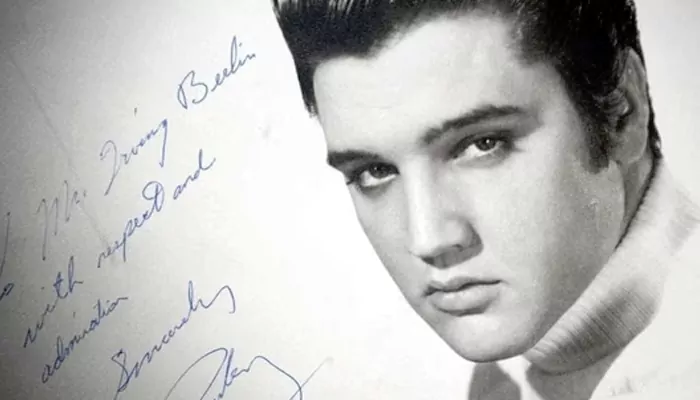
Youth Culture Emerging
Post-World War II, teenagers were asserting identity, independence, and tastes distinct from their parents. Elvis’s rebellious energy, his hip movements, edgy voice, and confident persona spoke directly to that youth hunger.
Fashion and Image as Statements
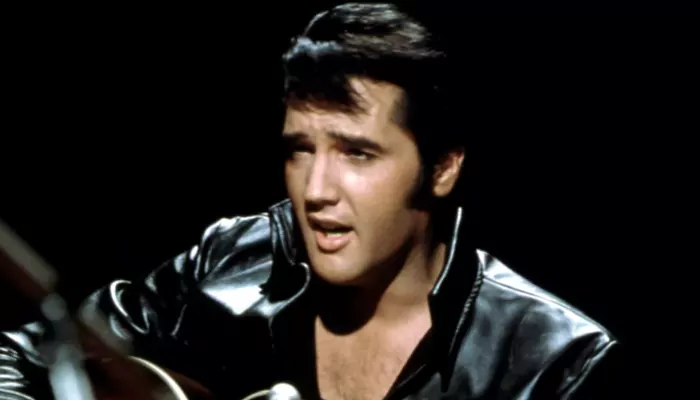
Elvis’s sideburns, slicked hair, colorful jumpsuits, and swagger became as iconic as his music. He wasn’t just a singer he was a look, a lifestyle, an attitude.
This fusion of media, youth culture, and image created the first true global celebrity, an individualized cultural symbol and sparked obsession.
The Fans Who Followed: From Admirers to Devotees
Unlike earlier artists who had admirers, Elvis had devotees. Concert crowds screamed uncontrollably. Teen magazines plastered his face. Fans sent letters in the millions. Some even reported physical symptoms fainting, pounding hearts, emotional highs simply from hearing his name or seeing his picture.
This wasn’t casual fandom. It was celebrity fixation, a phenomenon previously reserved for royalty and religious figures.
Music historian Peter Guralnick once wrote that Elvis was “a phenomenon so complete, so compelling, that people didn’t just like him, they needed him.” And that marks the beginning of modern celebrity obsession.
The Celebrity Blueprint That Followed
After Elvis, the world never looked at fame the same way. His style and impact laid the foundation for:
The Superstar Narrative
Today’s pop stars are expected to be brands, musicians, fashion icons, influencers, and lifestyle personalities all at once. Elvis was among the first to embody this multi-faceted fame.
Fan Culture and Parasocial Bonds
Fans don’t just listen, they feel connected, empathise, and follow lives. This deep attachment was seen early with Elvis fan clubs and remains a core part of fame today.
Tabloid and Media Frenzy
Celebrity news became entertainment. Outfits, movies, love life, controversies, everything became public narrative fodder. Elvis’s life offstage fascinated people as much as his music.
In short, Elvis wasn’t just a performer, he was a media event.
Global Reach Before Digital Connectivity
Long before the internet, Elvis’s fame spread internationally, Europe, Asia, South America, through records, radio, film, and television. His influence reached India too, where Bollywood and Indian rock musicians alike admired his style, stage presence, and fearless stage persona.
Indian pop culture absorbed elements of rock ‘n’ roll flair, expressive performance, emotional intensity in singing, and style confidence, all of which echo Elvis’s imprint.
Why We Still Obsess Over Celebrities Today
In 2026, celebrity obsession is driven by:
- Social media visibility
- Constant content
- Relatable personal stories
- Digital connection with fans
- Instant gratification
But the emotional human core hasn’t changed since Elvis’s time: people crave connection, identity, and inspiration. Celebrities become vessels for emotion, aspiration, and expression and Elvis was an early pioneer of that dynamic.
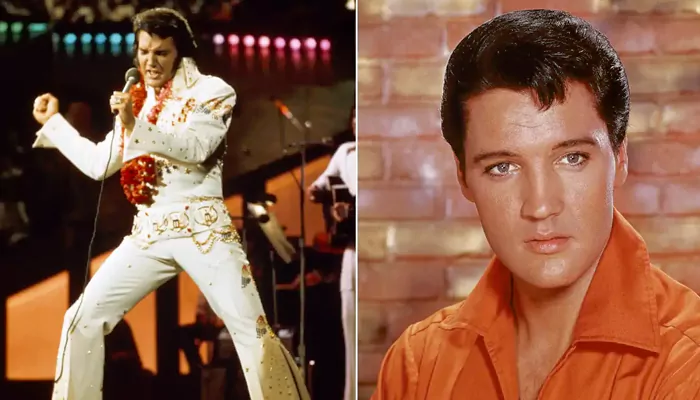
His fans didn’t just admire his voice, they felt seen in his rebellion, his vulnerability, his power.
Today, Elvis Presley’s legacy lives not just in his music but in the way we engage with fame. The pop culture world, from Taylor Swift’s devoted fanbases to Bollywood’s ardent admirers, operates on the emotional architecture that Elvis helped popularize.
His birthday reminds us that celebrity isn’t just about skill, it’s about connection, media presence, identity, and cultural resonance. That’s why Elvis, more than seven decades after he first appeared on record, still matters.
He transformed fame from admiration into obsession.
- From interest into identification.
- From popularity into cultural symbol.
And in an age of viral fame, global streaming, and fan-driven narratives, the spirit of Elvis is more alive than ever.
Happy Birthday, Elvis, the first true pop culture catalyst in an obsessed world.