Before Pop Stars, There Was Elvis: The Original Culture Disruptor; A Birthday Tribute
- Soham Halder
- 1 month ago
- 5 minutes read
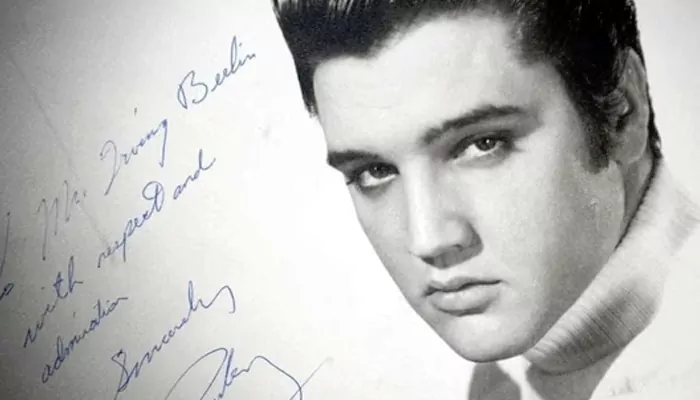
Before social media and pop stars, there was Elvis.
If you think Beyoncé, Justin Bieber, BTS, or Rihanna defined pop culture, you’re right for their eras. But long before pop stars dominated charts and global fandoms, there was Elvis Presley, a seismic musical force whose influence still ripples through today’s soundscape. On his birthday, music lovers around the world remember Elvis not just as a singer, but as a culture disruptor who rewrote the rulebook for global entertainment.
Before dance challenges, TikTok hits, and streaming numbers, Elvis rewired what popular music could be transforming musical norms, breaking societal barriers, and changing what it meant to be a star.
From Humble Roots to Global Stage
Elvis Aaron Presley was born on January 8, 1935, in Tupelo, Mississippi, a place far removed from the glamour of Hollywood and the recording studios of Nashville. His early life was marked by financial struggles, but music was his first language: gospel hymns at church, blues riffs in neighbourhood gatherings, and the mix of regional genres that shaped his rhythmic imagination.
This melting pot of influences foreshadowed his career, a man whose voice and charisma would connect diverse audiences and establish musical boundaries that simply didn’t exist before.
The Birth of Rock ‘n’ Roll’s First Superstar
When Elvis entered the scene in the mid-1950s, American popular music was compartmentalized, country on one side, R&B on another, and conservative pop sitting safely in the middle. Elvis didn’t just sing in a style. He fused those styles.
His early recordings at Sun Records with Sam Phillips weren’t slick, but they were magnetic. Songs like “That’s All Right” and “Blue Moon of Kentucky” weren’t just tunes, they were announcements:
A new sound had arrived, one that felt alive, raw, and irresistible.
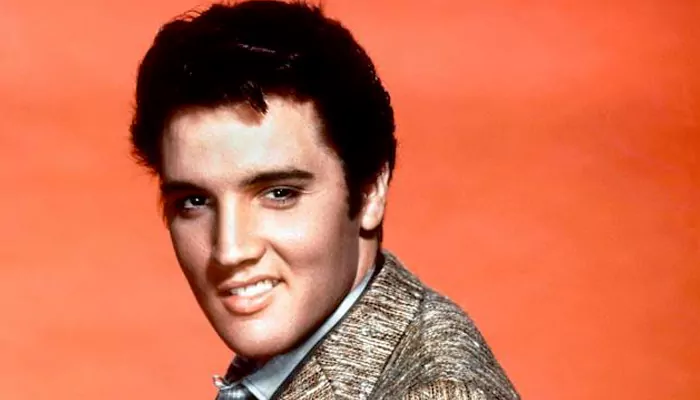
Suddenly, teens were dancing differently, radios were tuning differently, and the world was listening differently. Elvis was not just a singer; he was the first pop star as we now understand the term, someone whose presence shaped youth culture.
Why Elvis Was More Than a Musician: A Disruptor
Elvis’s impact wasn’t only musical. It was cultural a shift in sensibilities that rippled across fashion, behaviour, and identity:
Challenging Racial Lines in Music
At a time when segregation was deeply entrenched in American society, rock ‘n’ roll blended Black and white musical traditions. Elvis popularized sounds rooted in African American blues, sending mainstream audiences toward what had often been ignored or marginalized. While not without controversy, his music opened doors for musical integration in American pop culture.
Redefining Performance Style
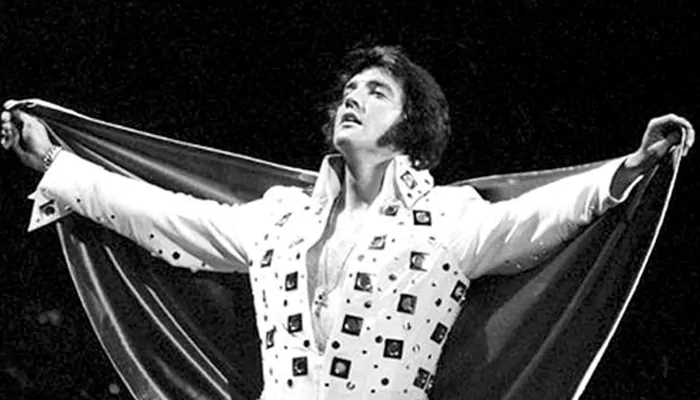
Elvis didn’t stand still on stage. His body language swivels, moves, intensity wasn’t merely physical expression; it was rebellion. Decades before “stage presence” was a taught skill, Elvis embodied it. His performances were kinetic and compelling, making the performer as important as the music, a template today’s artists still follow.
Youth Culture and Identity
Before Elvis, music was often age-agnostic. After Elvis, music became youth culture. His appeal lay in expression, the raw, emotional, physical expression of a generation that wanted something new and vivid. He became a symbol of teenage identity in a way no artist had before.
The Blueprint for Modern Pop Stardom
When we look at today’s global pop stars, from Indian chartbusters to international icons, the DNA of Elvis’s disruption is unmistakable:
- Charismatic visuals
- Blending genres
- Unpredictable persona
- Cultural influence beyond music
- Fanbases driven by emotion and identity
Elvis’s legacy lives on in how stars build narratives around music, image, and influence, transcending demographics and geographies.
The Global Reach: Elvis Beyond America
Elvis was one of the first artists whose fame wasn’t confined to his home country. Long before YouTube, Spotify, or global tours, his records traveled across oceans, influencing musicians from Europe to Asia. Bands like The Beatles, who would themselves change music, openly acknowledged Elvis as a foundational influence.
Even in Indian popular culture, from film soundtracks to rock bands, Elvis’s presence is felt in stylings, stage flamboyance, and the emotional delivery of songs.
A Legacy Defined by Influence
Elvis Presley may not hold all the streaming numbers today, but the cultural architecture he established is everywhere:
- Genre blending that powers global pop today
- Performance aesthetics that define stage presence
- Cultural dialogues across race, identity, and belonging
- A model for fan engagement long before social media
His is not a legacy of one hit, one era, or one culture, but of ongoing influence that shapes how artists sound, perform, and connect.
Happy Birthday, Elvis: The Original Architect of Pop Culture
On his birthday, we remember Elvis not merely for his unforgettable voice or catalogue of songs, but for his impact on global culture. He reminds us that music can be more than entertainment; it can be a force that challenges norms, shapes identities, and gives voice to generations.
Before pop stars dominated social timelines, before viral hits and global playlists, there was Elvis the original culture disruptor whose influence still reverberates through every beat, riff, and stage move of modern stardom.
And that’s why, even today, when music evolves, it keeps circling back to the King.