
April 24, 1990: The Hubble Space Telescope Launched, Setting the Stage for NASA’s Most Terrifying Zero-Gravity Repair Mission
- Devyani
- 5 months ago
- 3 minutes read
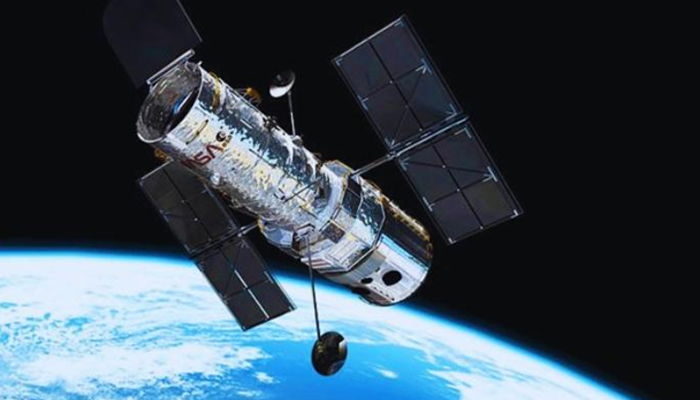
It was supposed to be our ultimate window to the cosmos, but NASA’s crown jewel went up legally blind. Here is how astronauts pulled off the ultimate cosmic eye exam.
Imagine holding your breath for over a decade. That was the collective state of the scientific community on April 24, 1990. The Space Shuttle Discovery roared into the sky, carrying the Hubble Space Telescope - a glittering, multi-billion-dollar cylinder promising to finally unlock the universe.
And then, the pictures came back. They were blurry.
The Most Expensive Typo in History
I remember looking at those early images. They looked like someone had smeared Vaseline over the lens.
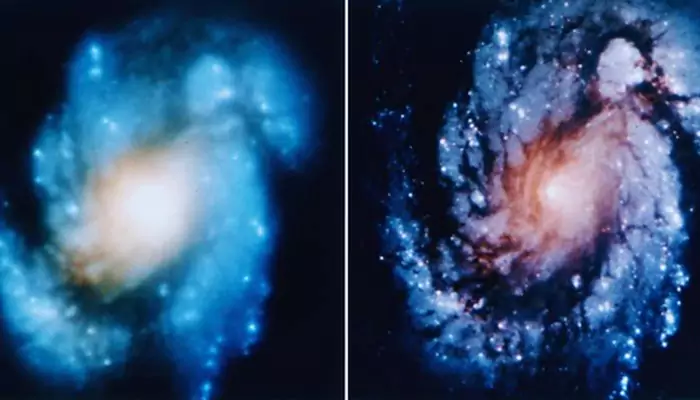
The culprit? A microscopic error. The telescope's primary mirror was ground too flat by a fraction of a hair's breadth. About 2.2 microns, to be exact. It seems absurd that something so infinitesimally tiny could turn a triumph into a global laughingstock. Late-night hosts absolutely had a field day with it.
You have to understand the panic inside the agency. NASA’s reputation was already limping a bit after the Challenger disaster just four years prior. Now, their shiny new toy was practically shortsighted.
A Spacewalk on a Knife's Edge
They couldn't just bring it back down to the shop. The only option was a house call. Three hundred and fifty-three miles above Earth.
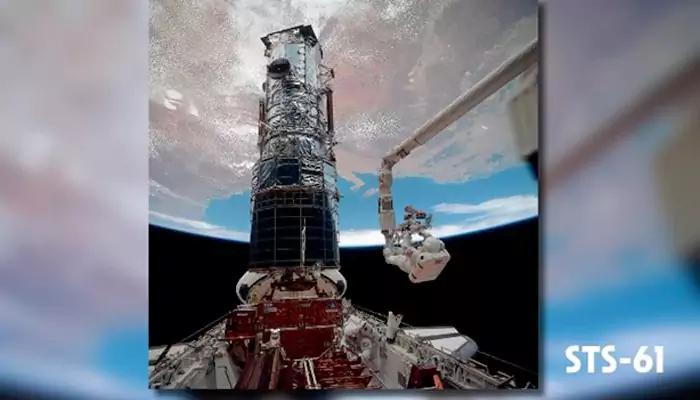
Enter STS-61, launched in December 1993. This wasn't your standard satellite nudge. It was - and I firmly believe this - the most nerve-wracking repair job ever attempted. Seven astronauts flew up to essentially install contact lenses (an instrument package called COSTAR) on a school-bus-sized satellite hurtling through the dark at 17,000 miles per hour.
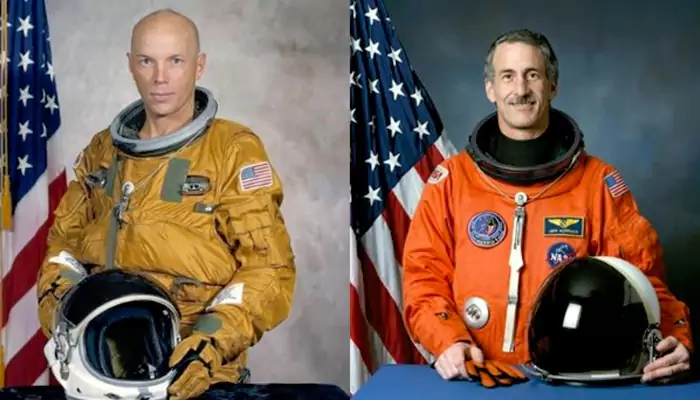
Think about the sheer audacity. Five back-to-back spacewalks. Guys like Story Musgrave and Jeff Hoffman hanging by their boots in the freezing vacuum of space, using custom-made power tools to pry open frozen panels. One slipped wrench, one torn suit, and the whole thing would have been a billion-dollar piece of space junk.
I can only imagine the adrenaline. Actually, I can't. Just trying to fix a leaky sink under my own kitchen counter gives me anxiety.
But it worked. Man, did it work.
When the new images finally arrived, the collective sigh of relief at Goddard Space Flight Center probably altered local weather patterns. Suddenly, we could see the Pillars of Creation. We saw galaxies being born.
Hubble isn’t just a machine; it's a testament to our stubborn refusal to give up when we screw up. It’s a beautifully flawed, ultimately redeemed piece of hardware that entirely changed how we see our place in the dark.



.webp)