
AI Learned the Basics, Now What Happens to Freshers? Viral Post Sparks Debate
- Soham Halder
- 3 months ago
- 3 minutes read

A recent viral social media post by a fresh graduate has reignited discussions about the challenges facing newcomers in the technology industry. The graduate expressed frustration over the difficulty of finding an entry-level IT job despite having the required qualifications and skills.
The Post
In a social media post titled, "Am I Too Late to Land a Software Job After Graduating This Month?" the student detailed that she was yet to land a job despite her best efforts.
Demoralised by the job hunt, the student said she was considering preparing for engineer entrace exam to bolster her chances of getting placed.
The post quickly gained attention, with many users sharing similar experiences and raising concerns about the changing nature of the job market.
What was once considered a straightforward path from college to a junior developer role is becoming increasingly uncertain. As artificial intelligence continues to reshape workplaces, many are asking a critical question: if AI can perform basic tasks, what opportunities remain for fresh graduates?
AI Is Changing Entry-Level Work
For years, entry-level employees learned the ropes by handling routine tasks such as writing simple code, testing software, preparing reports, and managing documentation. These responsibilities helped graduates gain practical experience before moving on to more complex projects.
Today, AI-powered tools can perform many of these tasks in a fraction of the time. From generating code snippets to debugging software and creating content, AI is becoming a valuable assistant for businesses seeking efficiency. As a result, some companies are reducing the number of junior positions they offer, preferring smaller teams supported by advanced technology.
This shift has raised concerns that the traditional learning ground for freshers is slowly disappearing.
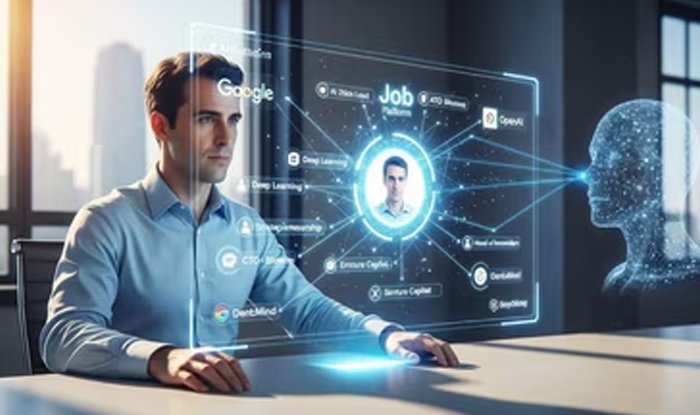
Why Fresh Graduates Are Feeling the Pressure
The job market has become highly competitive. Many graduates are applying for hundreds of positions but receiving very few responses. Employers are increasingly looking for candidates who can contribute immediately, often seeking prior experience even for entry-level roles.
At the same time, hiring managers expect candidates to be familiar with AI tools, cloud platforms, automation technologies, and industry-specific software. This creates a difficult situation for graduates who are still trying to gain practical exposure.
The result is growing frustration among young professionals who feel caught between rising expectations and limited opportunities.
New Skills Are Becoming Essential
While AI is replacing some routine tasks, experts believe it is also creating demand for new skills. Employers are increasingly valuing problem-solving abilities, critical thinking, creativity, communication, and the ability to work alongside AI systems.
Rather than viewing AI as a competitor, graduates may need to see it as a tool that can enhance productivity. Learning how to use AI effectively, interpret its outputs, and apply human judgment could become a major advantage in the hiring process.
In many ways, the focus is shifting from simply performing tasks to understanding, managing, and improving them.
The Future Belongs to Adaptable Talent
The viral post highlights a challenge that extends far beyond one graduate's experience. It reflects a broader transformation taking place across industries as technology evolves at an unprecedented pace.
Although AI is changing the entry-level job landscape, experts argue that it is unlikely to eliminate the need for human talent. Instead, it is redefining the skills that employers value most. For fresh graduates, success may depend on adaptability, continuous learning, and the ability to work with emerging technologies.
As the debate continues, one thing is clear: the future workforce will need to evolve alongside AI rather than compete against it.




.webp)
.webp)
.WEBP)
.webp)
.webp)