
AI Vanguard: Young Leaders from Forbes Asia 2024 Shaping the Future of Technology
- Admin
- 2 years ago
- 4 minutes read

In an ever-evolving world, young entrepreneurs in the Asia-Pacific region are leading the charge with innovative strategies to navigate changing business environments, spearheading industry transformations. They focus on sustainable growth and achieving profitability, especially as global venture capital becomes more difficult to secure. Recognizing AI as a crucial element for future success, many of these founders are dedicated to creating and commercializing cutting-edge technologies. AI's applications are vast, including enhancing manufacturing processes by identifying defects and supporting financial institutions with market analysis.
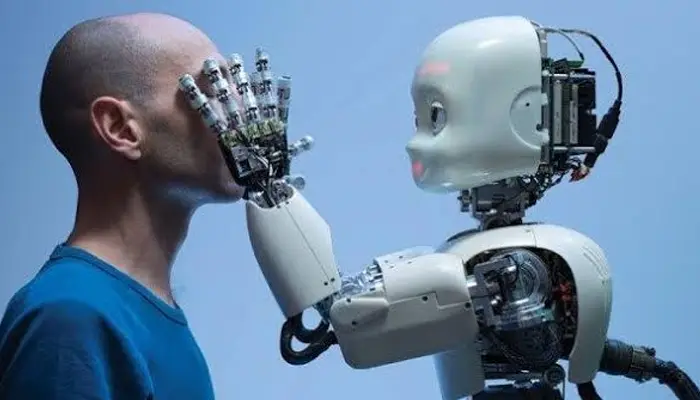
Artificial Intelligence (AI) is no longer a futuristic concept confined to the realms of science fiction. Today, it is a powerful tool transforming industries and societies. At the forefront of this technological revolution are young leaders who are not only innovating but also redefining what is possible. This article examines the profound impact of AI on various sectors and profiles some of the most promising young entrepreneurs and changemakers driving this change.
Revolutionizing Healthcare
One of the most significant impacts of AI is in the healthcare sector. Young innovators are leveraging AI to enhance diagnostic accuracy, streamline patient care, and develop personalized treatment plans. For instance, 28-year-old Dr. Sarah Lee has developed an AI-powered platform that analyzes medical images to detect early signs of diseases such as cancer and neurological disorders. Her startup, MediVision, uses deep learning algorithms to process vast amounts of data quickly and accurately, providing doctors with critical insights that were previously unattainable.

Dr. Sarah Lee
Dr. Lee's work is not only improving patient outcomes but also reducing the burden on healthcare professionals. By automating routine tasks, her AI solutions allow doctors to focus more on patient care rather than administrative duties. This shift is crucial in a world where healthcare systems are often overburdened and understaffed.
Transforming Finance
In the financial sector, AI is revolutionizing everything from fraud detection to market analysis. Twenty-nine-year-old Alex Zhang, founder of FinGuard, has created an AI-driven platform that helps financial institutions detect and prevent fraudulent transactions in real-time. Zhang's algorithms analyze transaction patterns and flag suspicious activities, significantly reducing the risk of financial crimes.

Alex Zhang
Additionally, AI is being used to democratize investment opportunities. Emily Chen, a 27-year-old entrepreneur, launched AI-Invest, a platform that uses machine learning to provide personalized investment advice. By analyzing market trends and individual risk profiles, AI-Invest empowers everyday investors to make informed decisions, leveling the playing field in the financial market.
Enhancing Manufacturing
AI's impact on manufacturing is profound, with young leaders developing solutions to improve efficiency, reduce waste, and enhance product quality. Twenty-eight-year-old Ravi Patel has introduced an AI system that monitors production lines in real-time, identifying defects and predicting maintenance needs. His company, ManuTech, utilizes computer vision and predictive analytics to ensure that manufacturing processes run smoothly and efficiently.
Patel's innovations are helping manufacturers reduce downtime and production costs, while also improving the quality of their products. This is particularly important in industries such as automotive and electronics, where precision and reliability are paramount.
Driving Environmental Sustainability
Environmental sustainability is another area where AI is making significant strides, thanks to the efforts of young innovators. 26-year-old Aisha Khan has developed an AI-powered system that optimizes energy consumption in smart grids. Her startup, EcoAI, uses machine learning to predict energy demand and adjust supply accordingly, reducing waste and lowering carbon emissions.
Khan's work is contributing to the broader effort to combat climate change by promoting more efficient and sustainable energy use. As the world grapples with environmental challenges, such innovations are essential for building a more sustainable future.
The Future of AI
The future implications of AI are vast and varied. As young leaders continue to push the boundaries of what AI can achieve, we can expect to see even more transformative changes across different sectors. From personalized education to autonomous transportation, the potential applications of AI are limitless.
However, with great power comes great responsibility. It is crucial for these young innovators to consider the ethical implications of their work. Issues such as data privacy, algorithmic bias, and the potential for job displacement must be addressed to ensure that AI benefits all of humanity.
The young leaders at the forefront of the AI revolution are not just shaping the future of technology—they are shaping the future of our world. Through their innovative projects and forward-thinking solutions, they are solving some of the most pressing problems of our time. As we move forward, it is essential to support and nurture these talents, ensuring that their work leads to a brighter, more equitable future for all.


.webp)

.webp)